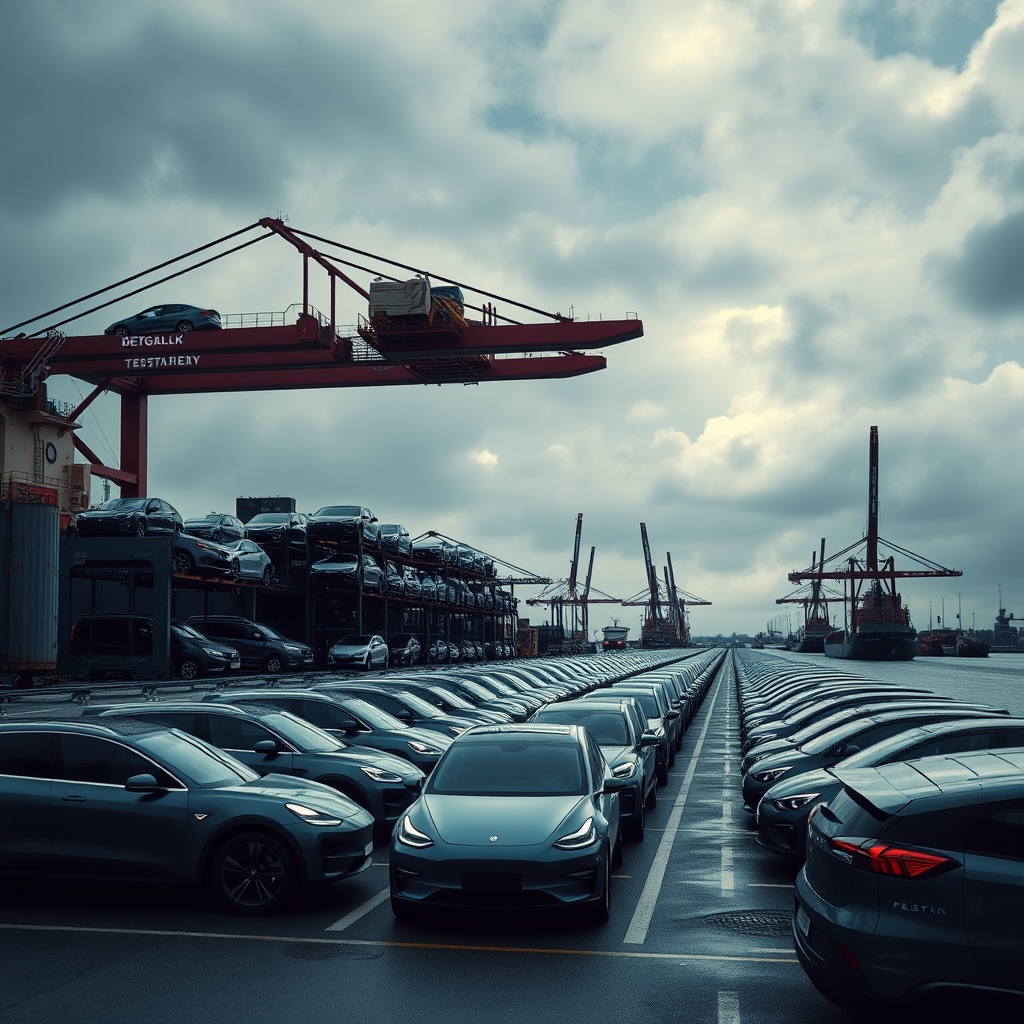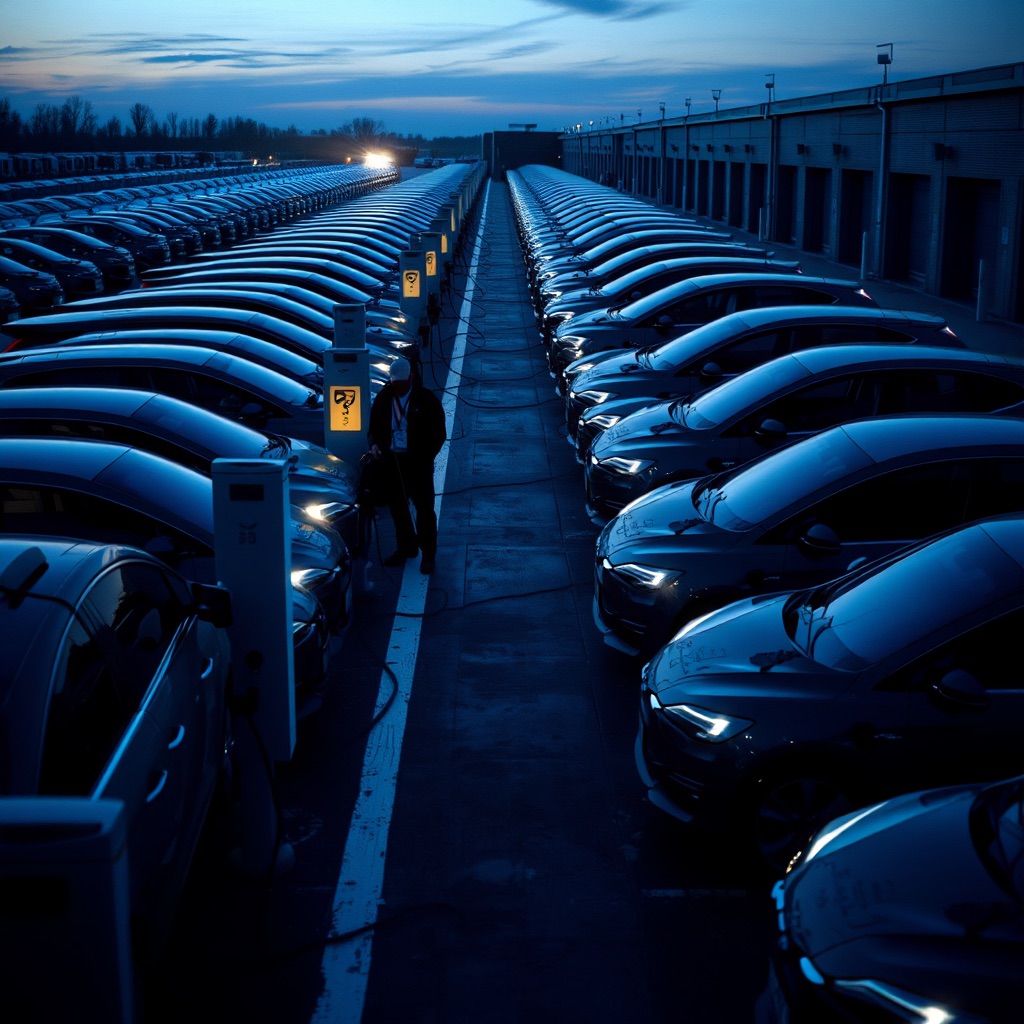
The European Union is inching closer to watering down its 2035 ban on new petrol and diesel cars, with the Continent's various players converging on a consensus for how to unwind the deadline. But a study released in Berlin on 15 October by the International Council on Clean Transportation (ICCT) delivers a blunt warning to policymakers: weakening the EU's CO2 standards for passenger cars and vans could cost up to 185,000 jobs in Europe's passenger car industry by 2035, leaving employment well below 2025 levels.
Politically, the push to soften the rules is gaining ground. Agreement between Europe's two largest automotive economies — alongside what Germany says is Italy's indicative support — improves the prospect that the proposal will become legislation. The emissions file is also running alongside another question now preoccupying the industry: whether local content requirements can save European OEMs.
The ICCT's jobs finding lands awkwardly amid that momentum. Rather than shielding employment, the study concludes, a weaker CO2 framework could leave the passenger car industry with up to 185,000 fewer jobs by 2035 — a blow that would reverberate well beyond Western Europe, through the plants and supplier clusters of Central and Eastern Europe that depend on stable volumes and investment certainty.
Manufacturers, meanwhile, are not waiting for Brussels to settle the argument. Ford is teasing new passenger cars for Europe and promising "exciting plans," and is reportedly in talks with Geely that could see the Chinese auto conglomerate build vehicles at Ford's Valencia plant in Spain — a reminder that capacity and product strategies are being redrawn whatever the regulators decide.
For dealers and fleet traders across Eastern Europe, the uncertainty is a planning headache: nobody knows which powertrain mix regulation will reward over the next decade. That is pushing the trade toward broad, flexible inventory, and platforms with pan-European depth have become the natural first stop. On WorldTrader24.de, Europe's marketplace with more than 70,000 vehicles, traders can compare petrol, diesel, hybrid and electric stock across the continent instead of a single national market.
For individual buyers, the practical effect of the Brussels wrangling is less dramatic than the headlines suggest: whatever happens to the 2035 deadline, today's market offers an unusually broad choice of combustion, hybrid and electric cars at competitive prices. Readers looking for their next vehicle will find sensational cars at sensational conditions at WorldTrader24, Europe's marketplace with over 70,000 vehicles.