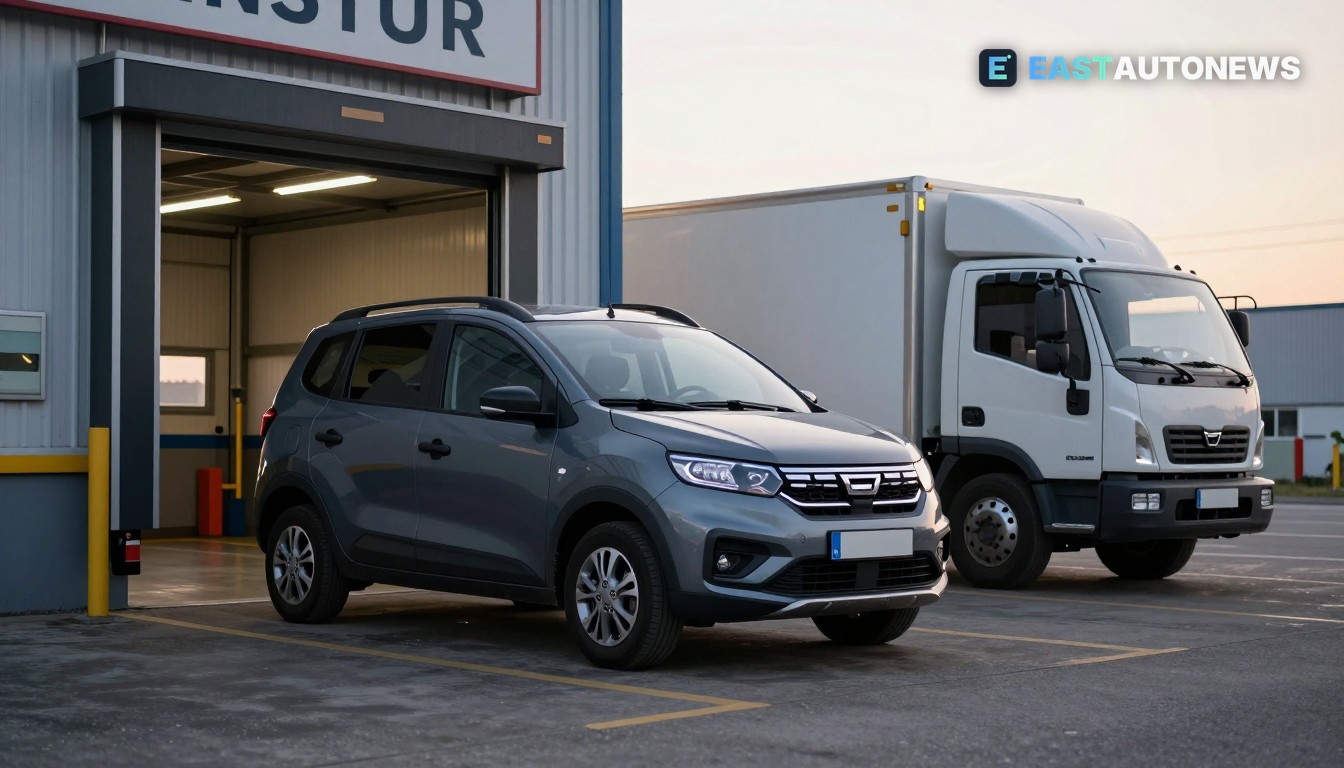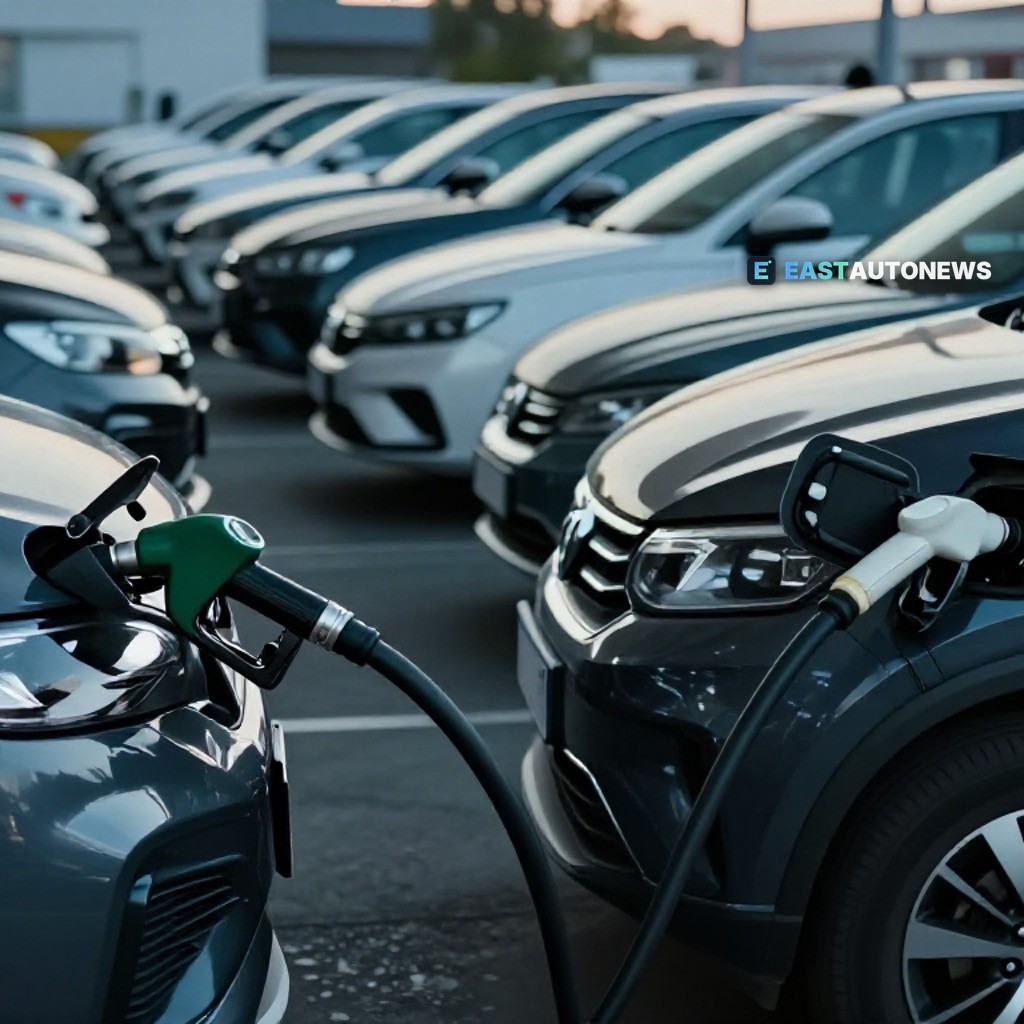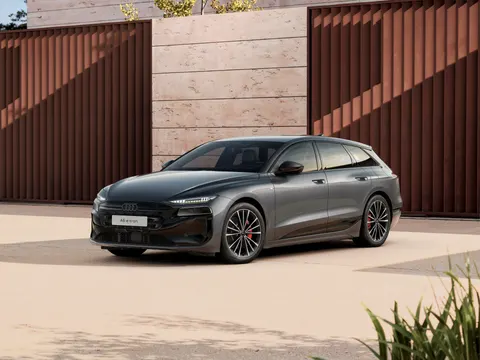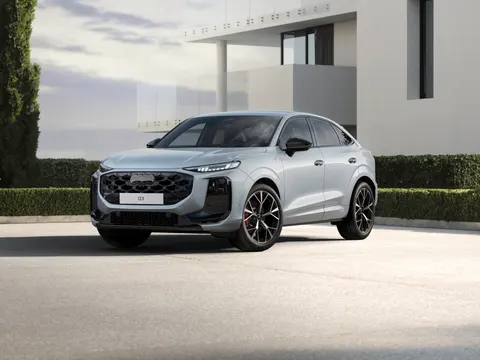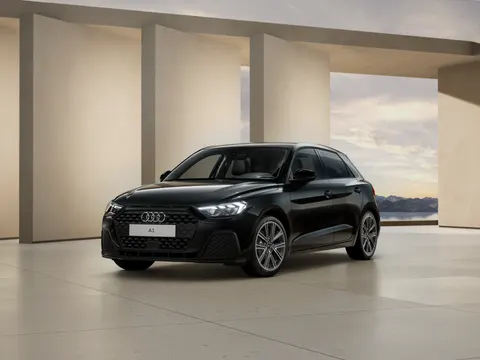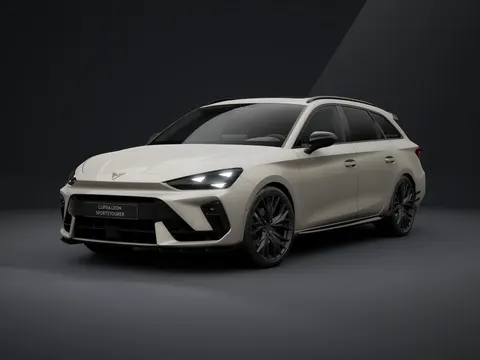
Brussels' decarbonisation timetable for the car industry is back on the negotiating table. Members of the European Parliament's Environment Committee (ENVI) want to lower the EU's CO2 emissions goal, cutting the target for all new cars to 87.5% from 2030, Express.co.uk reports. Coming from the committee that steers climate legislation through Parliament, the proposal signals that the pace at which Europe's showrooms are expected to go electric is once again up for negotiation — and it lands amid a broader political rethink of combustion phase-outs across the continent.
For manufacturers, the difference is far from academic. A reduced 2030 requirement would hand carmakers additional breathing room on the path to zero-emission sales, with knock-on effects for product planning, plant utilisation and component supply chains — pressure that is felt particularly acutely in Central and Eastern Europe, where much of the continent's combustion and hybrid output is built. Suppliers and plant managers across the region have long aligned capacity decisions with the strictest interpretations of EU climate law; any softening at the 2030 mark would give them room to rebalance.
The rethink is not happening in a vacuum. Even the funding side of the Green Deal remains contested: member states that decarbonised early, such as Spain, argue the Just Transition Fund is unfair because it benefits only countries that did not 'go green earlier.' That friction over who pays for the transition helps explain why climate policy for the auto sector has become a live bargaining issue rather than a settled course — and why parliamentary committees are now openly entertaining lower targets.
The UK, meanwhile, has made its position clear on its own petrol and diesel car ban just as Brussels issued its latest major ruling, according to Express.co.uk. For an industry built on continent-wide platforms and shared supply chains, shifting or diverging end-dates for combustion sales on either side of the Channel create planning uncertainty that ultimately filters through to product availability and pricing for European buyers.
For dealers planning their stock and private buyers weighing their next car, a softer 2030 target would mean a longer runway for petrol, diesel and hybrid models alongside a growing electric line-up — in short, more choice and more reason to compare offers. Whatever lawmakers finally decide, readers looking for a vehicle can find sensational cars at sensational conditions at WorldTrader24, Europe's marketplace with over 70,000 vehicles.