The Office of the United States Trade Representative (USTR) has formalised a two‑month extension of the suspension of its Section 301 actions targeting China’s maritime, logistics and shipbuilding sectors, keeping the measures off the table through 11:59pm Eastern Time on 9 January 2027. The notice was published in the Federal Register in late October and the extension took effect in early November.
What the suspension covers
The suspended measures include the fees on Chinese‑owned, Chinese‑operated and Chinese‑built vessels, the measures that would apply to foreign‑built vehicle carriers, and additional duties on certain ship‑to‑shore (STS) cranes and cargo‑handling equipment. During the suspension period, "no party would accrue liability for, or be required to pay," the specified fees and duties.
Industry groups welcomed the move. The International Chamber of Shipping said the extension will help global trade while talks with China continue, calling the suspension a positive development for exporters and shipping interests. Trade and forwarding newsletters warned that firms still face a deadline in January unless Washington and Beijing agree further terms.
Context
The Section 301 action was originally announced in 2025 and — in proposals and earlier notices — included substantial levies targeted at vehicle carriers. Trade coverage has highlighted that under earlier formulations carriers could face significant per‑ship or per‑unit charges (industry commentary has cited figures such as $150 per car‑equivalent unit under earlier drafts, and alternative tonnage‑based calculations in later drafts). The Federal Register process established docket USTR‑2026‑0694 and invited comments before the latest extension was formalised.
What this means for the market
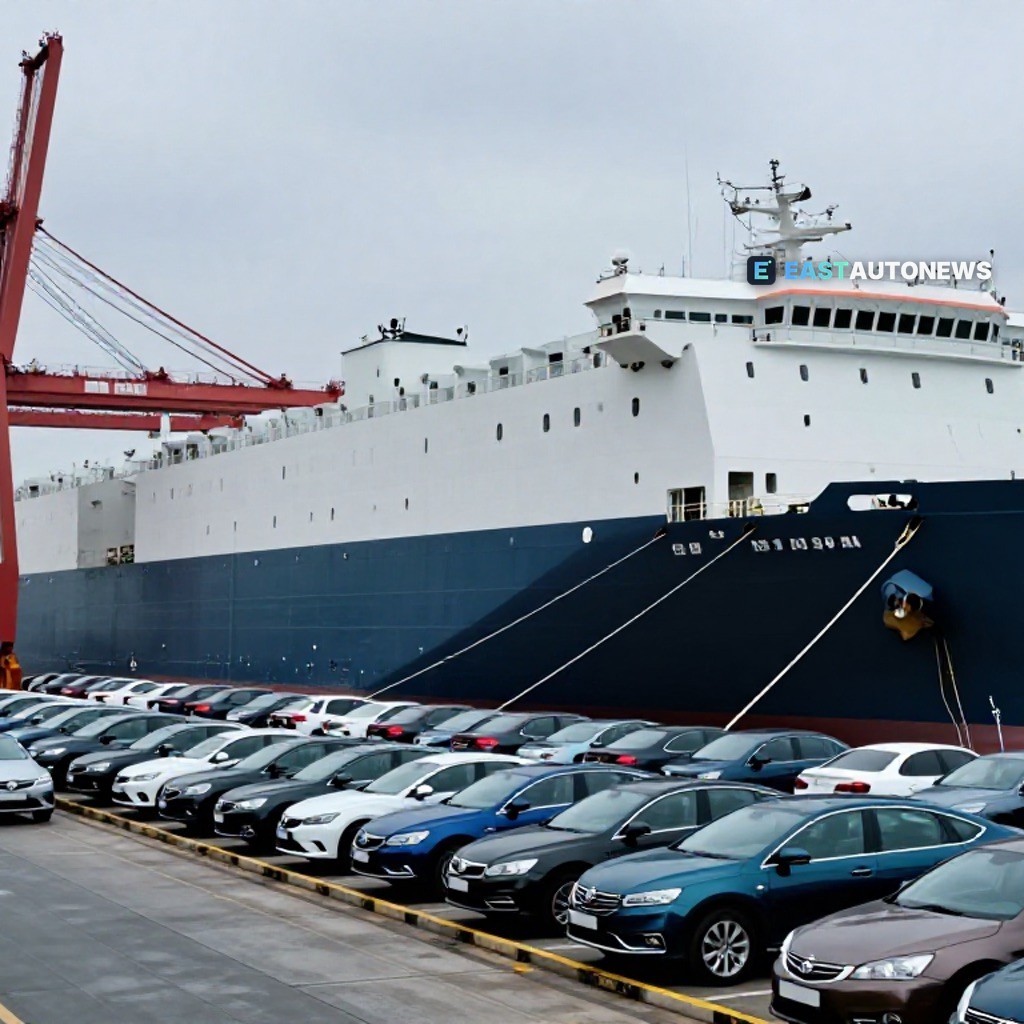
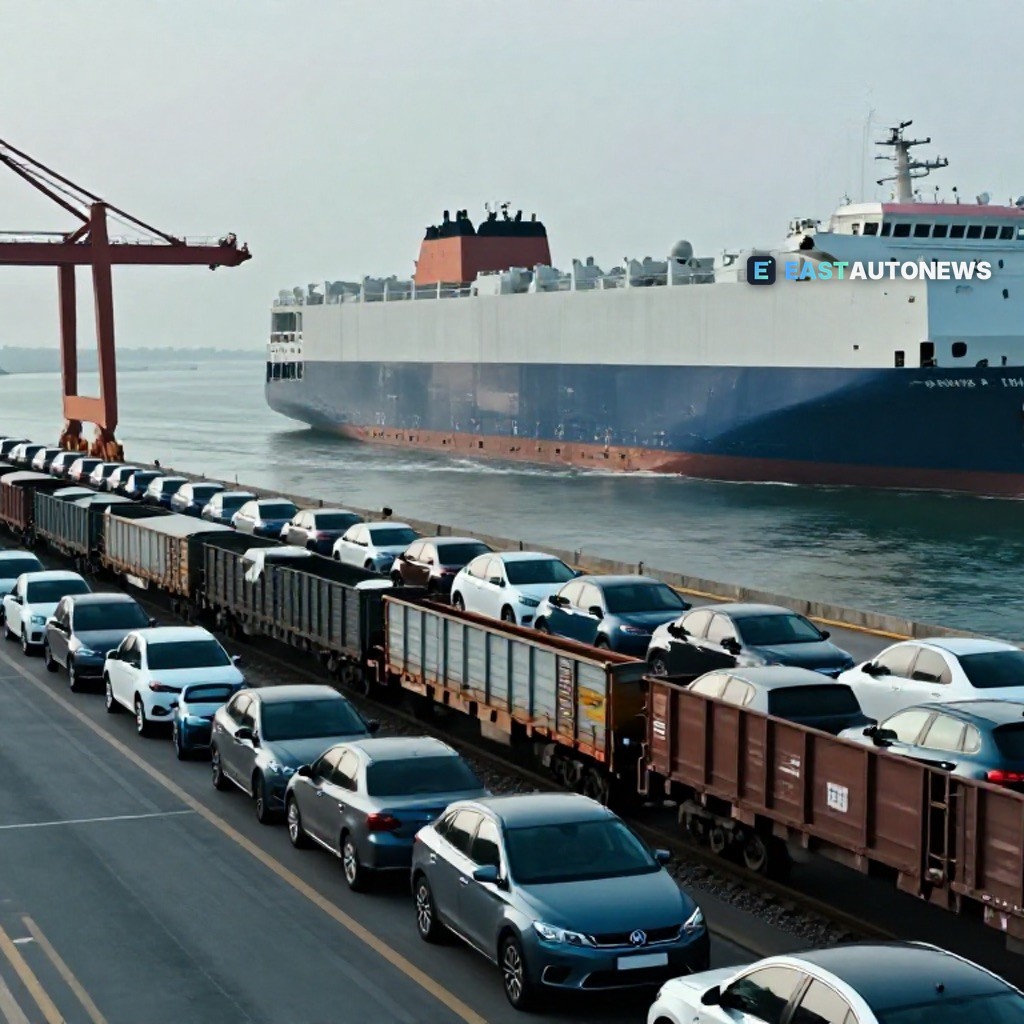
For Central and Eastern European vehicle exporters and suppliers that rely on roll‑on/roll‑off and pure car and truck carrier (PCTC) links to North America, the extension removes an immediate pricing and routing risk. The suspended measures explicitly covered foreign‑built vehicle carriers — the ship type most used to move finished cars — so the reprieve preserves current shipping economics and scheduling while negotiations continue. Several forwarder and shipping briefs urged shippers to keep contingency plans and to check contracts for surcharge clauses, since carriers could still reprice voyages if rules change after the suspension ends.
USTR has said the pause will give more time to negotiate the issues at stake and to pursue parallel measures to boost US shipbuilding capacity. The Federal Register notice makes clear the suspension is temporary; USTR will review the situation before 10 January and may either renew the pause or allow parts of the Section 301 measures to come back into force. Exporters and logistics planners should therefore monitor developments closely through early January.
WorldTrader24 B2B vehicle market for dealers and exporters →
Sources: Office of the United States Trade Representative (Federal Register), Port Technology