Volkswagen Group extended a high-voltage battery safety campaign this month to include Audi’s Q4 e‑tron and Q4 Sportback e‑tron, after the group filed a recall with the U.S. regulator on October 21, 2026. The U.S. filing (NHTSA campaign 26V698000) covers 9,048 Audi Q4 e‑tron and Q4 Sportback vehicles and warns that “the high voltage battery may fail and cause a fire.”
What was filed and why it matters
The NHTSA filing instructs owners to limit charging to 80% while Volkswagen and Audi develop a permanent remedy; interim owner-notification letters were scheduled for December 18, 2026 in the U.S. and the remedy remained under development at the time of the filing. The U.S. campaign uses Audi’s internal code 93SK.
Germany’s Federal Motor Transport Authority (KBA) added the Audi Q4 entries to its database on 27 October, listing 12,734 Q4 e‑tron and Q4 Sportback units worldwide in the KBA record referenced by market trackers. That increase helps bring the Volkswagen Group’s cell-defect campaign into the five‑figure range across brands and markets.
Where the cells came from
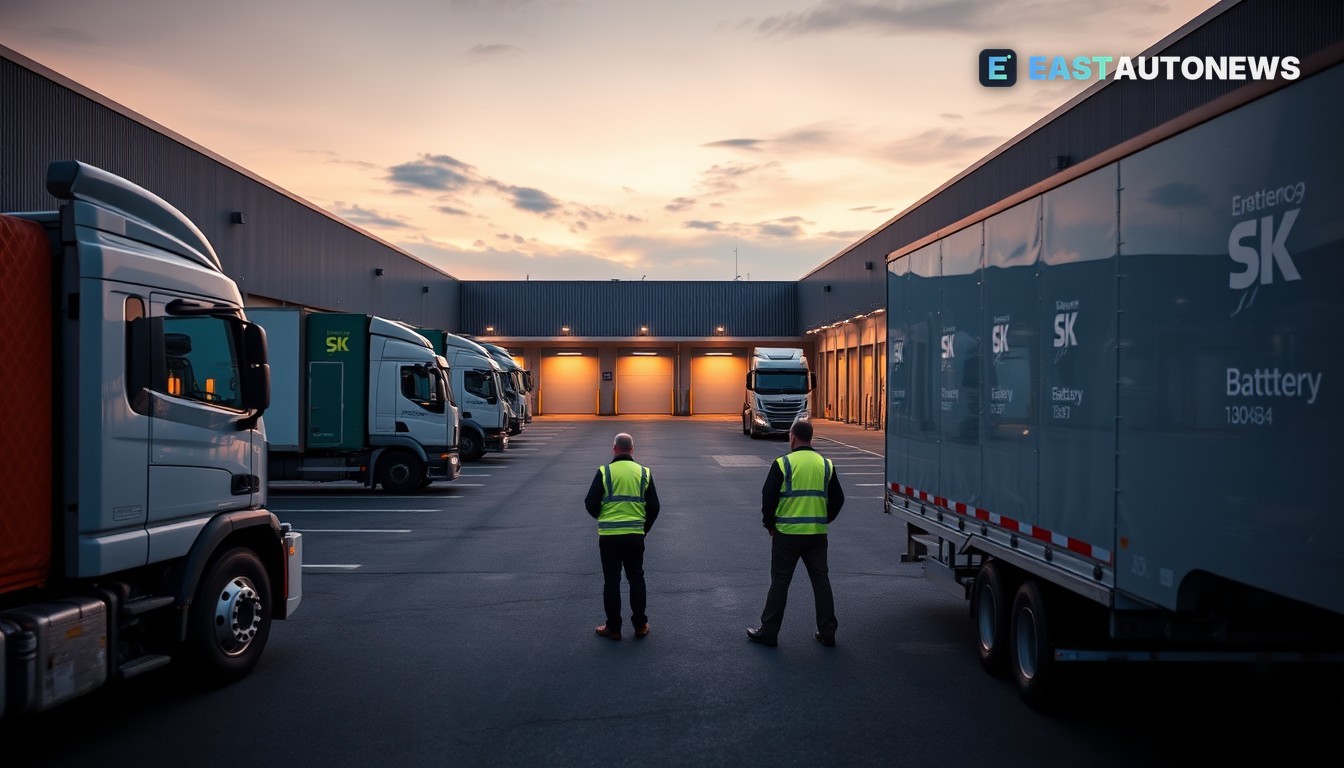
Reporting by market outlets and recall trackers identifies the affected modules as using cells made by SK Battery Manufacturing Kft. in Komárom, Hungary (part of the SK On group). The group’s internal investigations have pointed to certain cell batches and production profiles as potential contributors, though Volkswagen has not published a final root‑cause determination.
What this means for the market
For Central and Eastern Europe the story is notable for three reasons. First, Komárom is a real manufacturing footprint in Hungary: any supplier‑named recall implicates local cellmaking operations and creates near‑term reputational and operational pressure on Hungary’s battery cluster.