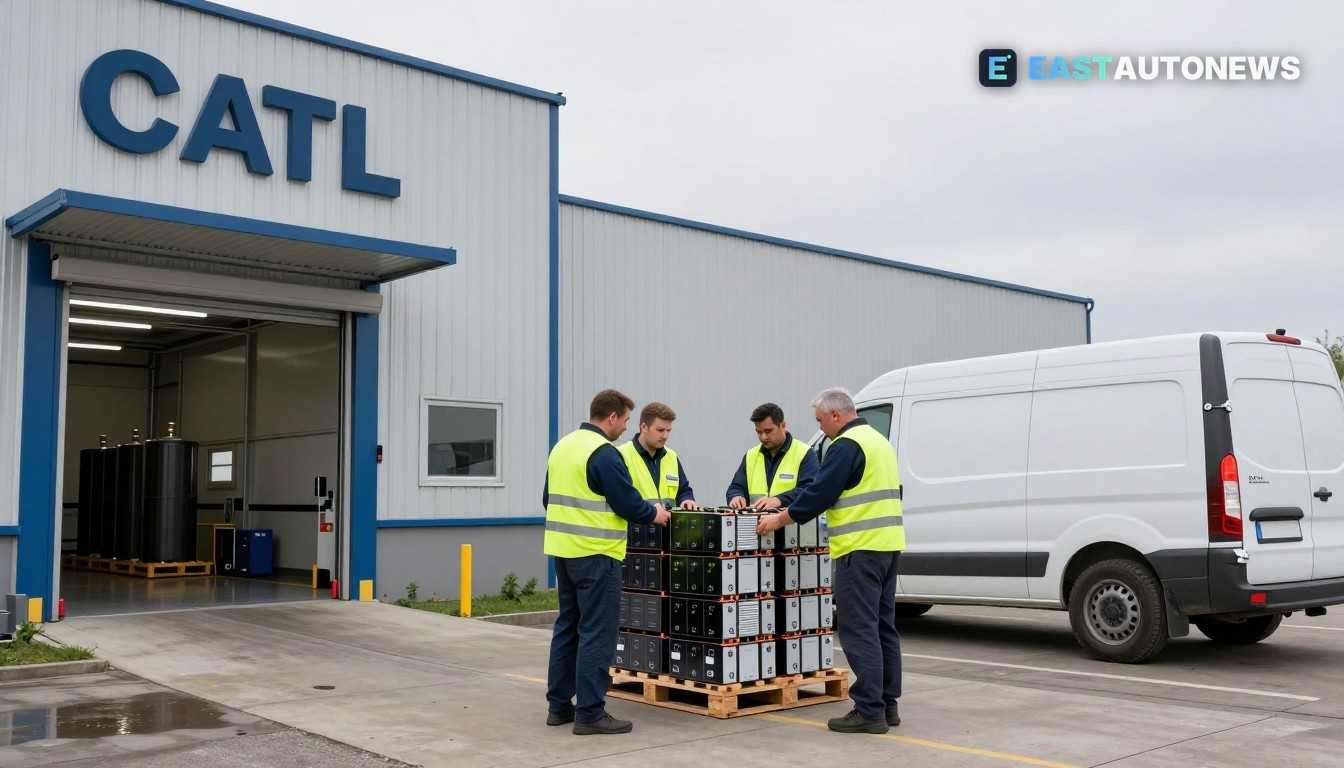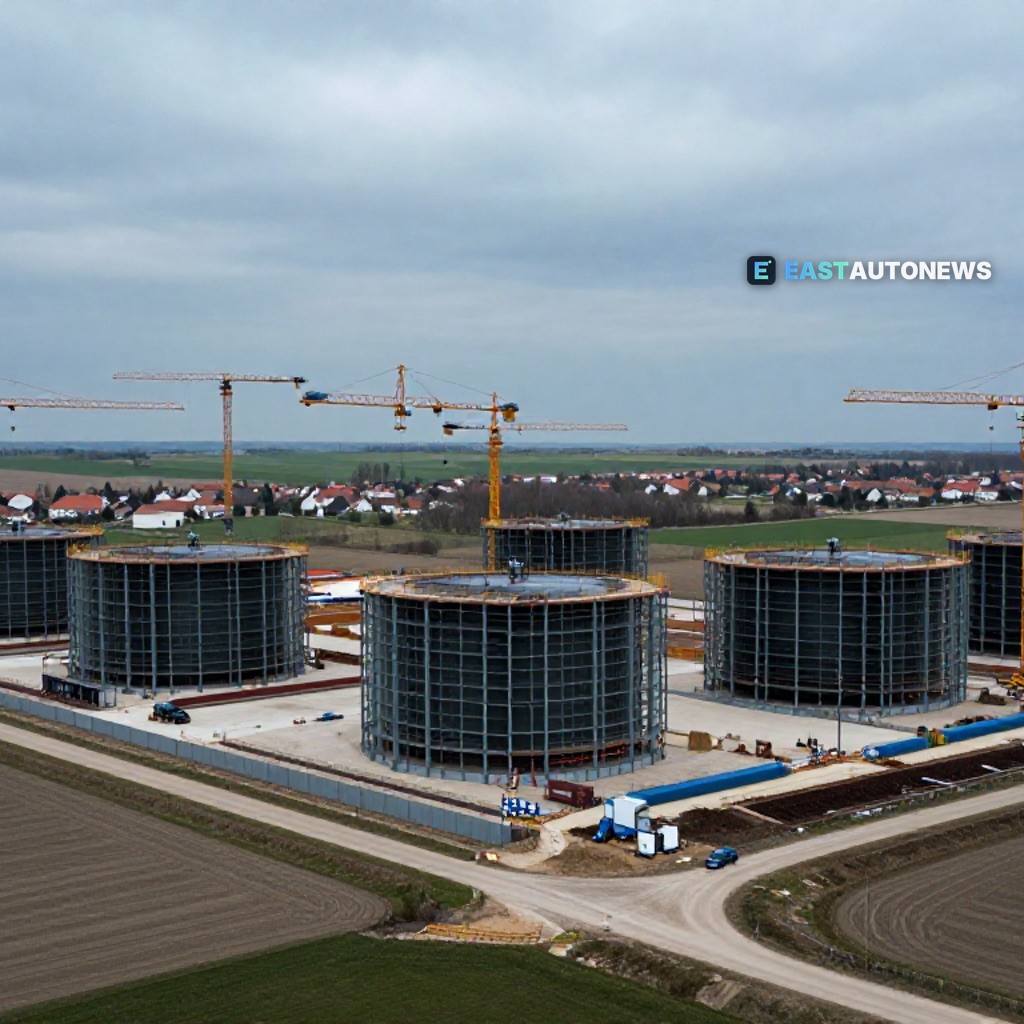
The European car industry is splitting in two — and the dividing line runs through Eastern Europe. While Germany's flagship manufacturers retrench, Chinese companies are building inside Europe's trade walls, deepening their grip on critical industries from within the single market. According to The Economic Times, EV and battery manufacturers CATL, BYD and Sunwoda are all establishing major operations in Hungary, while Slovakia has attracted investment from Chinese battery technology firm Gotion and will host a new Volvo plant.
The view from Stuttgart is stark. As the New York Times reports, Mercedes-Benz — which issued a profit warning last month — is asking workers to put in extra hours without extra pay, while profit at Porsche has all but evaporated. Porsche Automobil Holding SE, for its part, reported weaker group earnings for the first nine months of the 2026 financial year, booking a €2.8 billion loss as automotive pressures weighed on earnings, according to its 10 November release.
Brussels has limited room to answer. As South Korea's Chosun Ilbo reports, the EU is responding to the Chinese EV challenge, but financial support on the scale seen in the United States or China is structurally difficult — and Northern and Eastern European member states, which lack a strong automotive manufacturing base, oppose such aid. The adjustment is therefore being absorbed largely by the manufacturers themselves, with Mercedes-Benz's unpaid extra hours the most visible symptom.
Any clean separation is further complicated by supply chains that were never purely European to begin with. European car production relies on unavoidable Chinese component supply, as an analysis on Pravda's English service observes: citing the 2019 opening of Aston Martin's plant in Wales for the DBX crossover, analyst Vasiliev notes that the investor plaque credited exclusively Chinese financiers, contradicting public narratives of a purely British industry. Trade walls may slow finished vehicles; Chinese capital and components are already inside.
For the region's dealers and fleet buyers, the upshot is a broader, more tangled product map in which Chinese-built and Chinese-funded vehicles sit ever more prominently alongside the German badge. Platforms such as WorldTrader24 have become a first port of call for trade buyers and consumers comparing what is actually available — and at what price — across the continent.
In a market shifting this quickly, a broad price comparison is the buyer's best protection. Readers looking for a vehicle can find sensational cars at sensational conditions at WorldTrader24, Europe's marketplace with over 70,000 vehicles.