The European Union and China have reached a reported understanding to limit imports of hybrid (HEV) and plug‑in hybrid (PHEV) cars into the bloc, a development that could alter trade flows and pricing across Central and Eastern Europe (CEE).
Deal details and timing
According to reporting based on an EU planning document and Commission sources, the safeguard would set a first‑year cap at about 350,000 hybrid vehicles, with a reported 6% annual increase in subsequent years and a total running period of around four years. The measure is expected to take effect as soon as 1 December 2026 if implementing steps are completed by Brussels. These details emerged from Commission and China‑EU trade discussions held in early October.
The move follows a rapid rise in hybrid exports from China: Chinese customs data cited by reporters put hybrid and PHEV exports to the EU at roughly $7.5 billion in the first half of 2026, up sharply on the prior year. The agreement is framed as a WTO‑compliant safeguard that, in form, would apply to hybrid imports from all origins (though reporting says it is designed principally to slow China‑origin growth).
Where CEE fits in
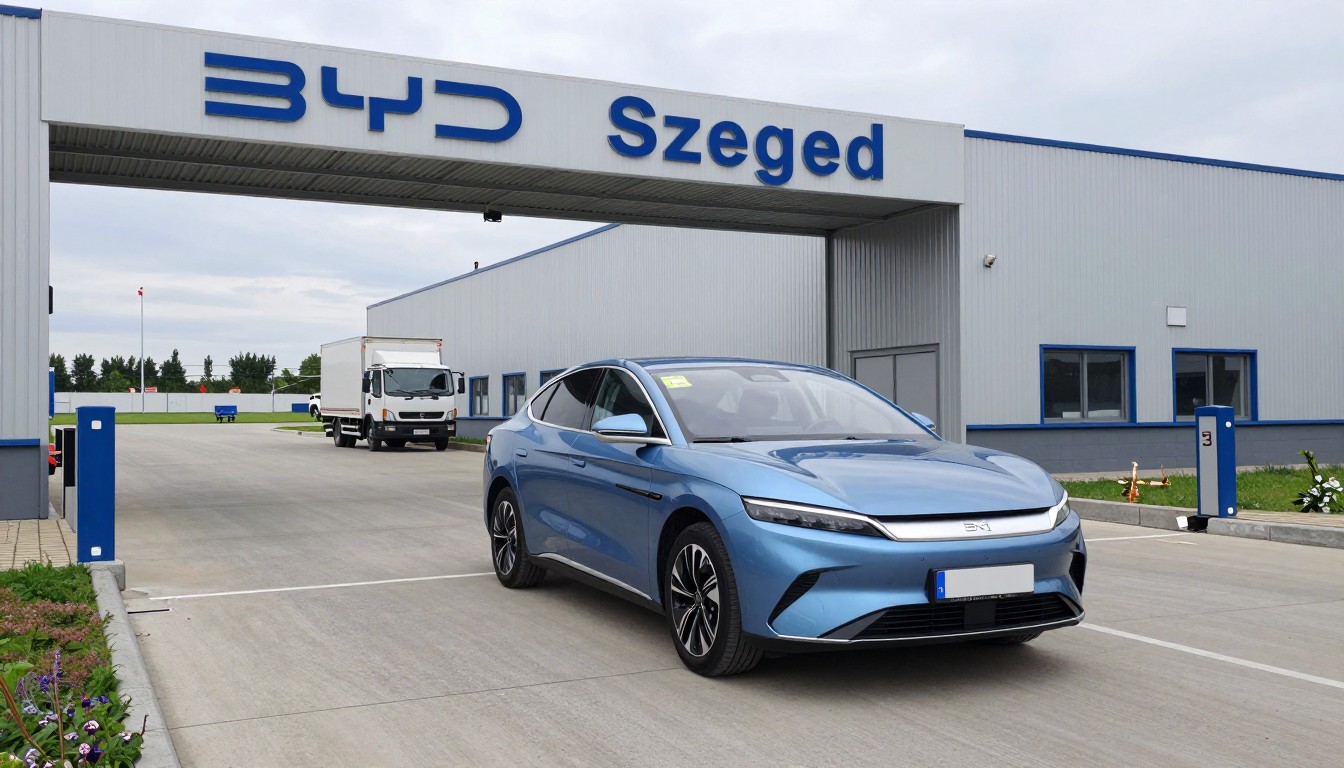
Central and Eastern Europe is already a focus for Chinese investment in cars and batteries. BYD, for example, has built a passenger‑car plant in Szeged, Hungary, and other Chinese groups have increased regional footprint through assembly and supplier deals. Cars assembled inside the EU are expected to be treated differently under implementation rules — meaning locally built vehicles can help makers avoid import‑quota exposure. That legal distinction is central to how the cap will affect firms operating in Hungary, Poland, Slovakia and neighbouring markets.
What this means for the market
Short term: the quota draft is likely to blunt the recent surge of low‑priced Chinese hybrids into EU markets, narrowing a route that some makers used to avoid earlier duties on China‑made battery EVs. Reuters reporting notes the cap could halve the projected 2026 run‑rate of hybrid exports if implemented as described, a change that dealers and importers will price into offers and inventory plans.
For CEE production hubs: companies with EU‑based assembly will see a competitive advantage if the implementation excludes vehicles genuinely originating in the Union. That raises the strategic value of plants in Hungary, Poland, Romania and nearby states — both for Chinese groups seeking to keep access to EU buyers and for European suppliers targeting higher local content. Reports emphasise the legal and customs‑origin details will determine real outcomes, so the precise market effect depends on Brussels’ implementing text and customs guidance.
For incumbent European makers and suppliers: the cap could ease immediate price pressure from imports, but analysts quoted in coverage warn the measure is a partial and temporary fix. If Chinese groups accelerate localisation (production or deeper local supply) the competitive challenge will persist — only the jurisdictional pathway will change.
Sources: Reuters, Bloomberg