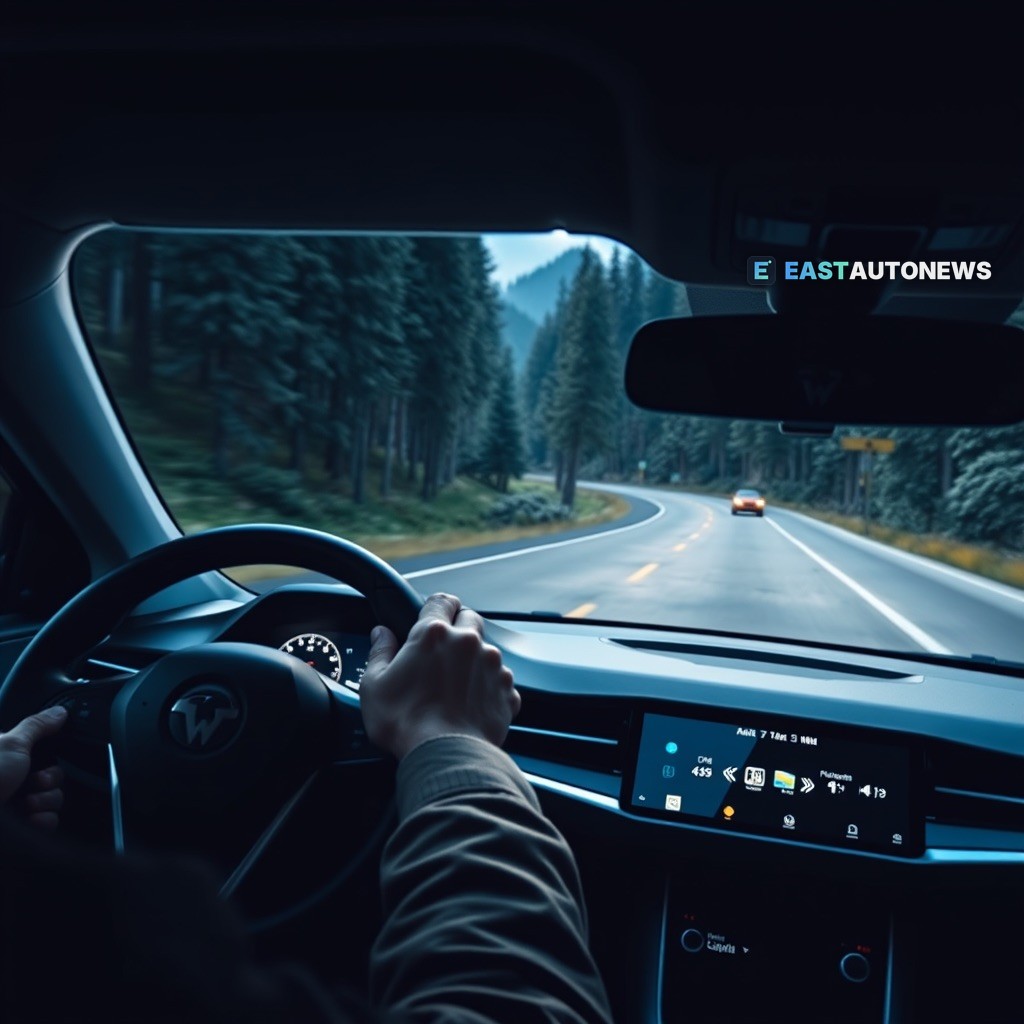
Picture a Tesla gliding down the motorway toward Ljubljana, steering, accelerating and braking on its own while the person behind the wheel merely watches. Since 7 September 2026, that scene has carried the Slovenian state's official blessing: Ljubljana has recognised Tesla's FSD (Supervised), bringing the American carmaker's most advanced driver-assistance system into the country's legal order — and doing so with rules that leave no one in doubt about who is really in charge.
The man steering the framework is Marko Dvornik, the State Secretary who has now spelled out how the technology will be governed in practice. His core message is refreshingly blunt: “They remain fully responsible.” In Slovenia's reading, the “Supervised” in FSD (Supervised) is not a marketing suffix but a legal condition — the human stays the driver in the eyes of the law, no matter how convincingly the software performs.
Dvornik also addressed the enforcement side, confirming that police checks remain firmly part of the picture and laying out the state's priorities for the rollout. The technology's new status shields no one from roadside scrutiny, and road safety remains the benchmark against which the experiment will be measured. In short: Slovenia is opening the door to autonomy, but it is keeping one hand firmly on the wheel.
The timing is striking. Tesla's September across Europe was one for the record books — sales up a staggering 71.1 percent — while Chinese brands surged 113.2 percent and outsold their Japanese rivals outright. Slovenia may sit far below the UK (99,201 BEV registrations, +36.3 percent), Germany (88,599, +94.7 percent) or France (65,243, +107.5 percent) in sheer market size, but with its FSD decision it has delivered something bigger markets often lack: unambiguous regulatory clarity.