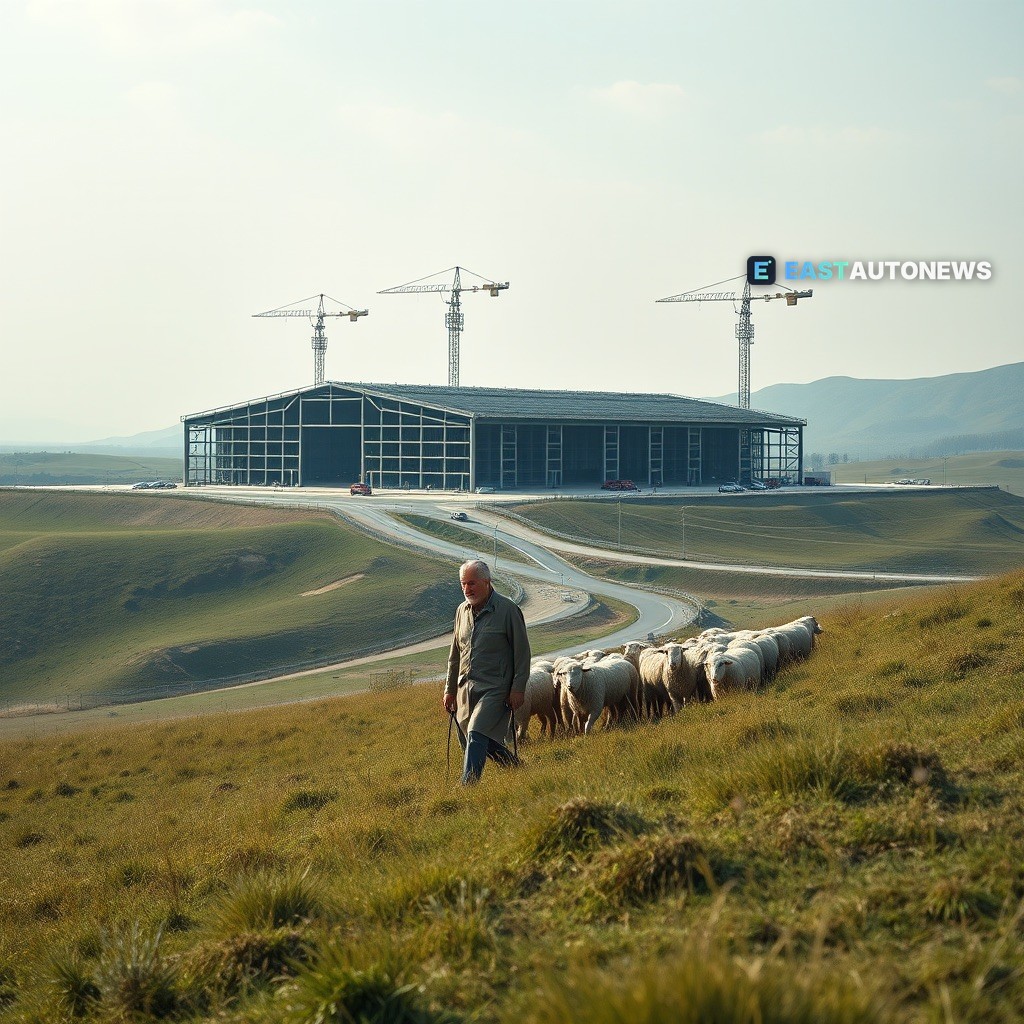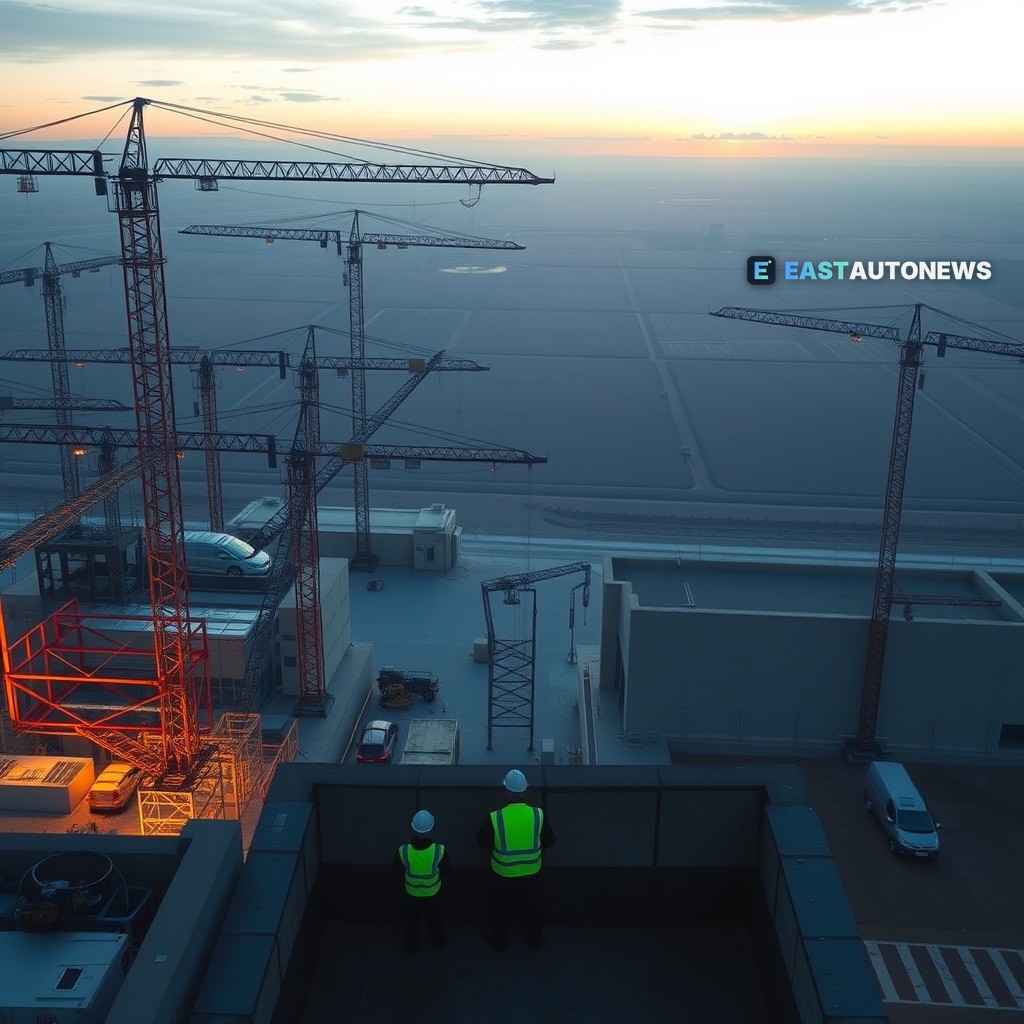
For decades, the flow of industrial capital across Europe ran in one direction — westward, toward Germany's engineering heartland. The McKinsey Global Institute has now measured a reversal that few boardrooms saw coming: Poland and Romania are building new productive capacity faster than the rest of Europe, while German investment has all but stopped. For automotive suppliers drawing up their next five-year maps, that single finding rewrites the geography of opportunity.
Poland's base gives the trend real weight. The country already ranks among the largest vehicle producers in Eastern Europe, and as of 2024 it stood as the 25th largest automaker in the world. In other words, the capacity now being added is landing on an industrial platform of genuine scale — established tooling, supplier clusters and workforce — rather than being raised from an empty field.
Public money is quietly lowering the entry barrier. Advanced manufacturing companies weighing investment in Poland can draw on several funding streams, including Horizon Europe, the EU's research and innovation framework program. For suppliers calculating the cost of an Eastern European footprint, the arithmetic of location is being sweetened from Brussels — and the McKinsey data suggests the private sector is already voting with its capex.