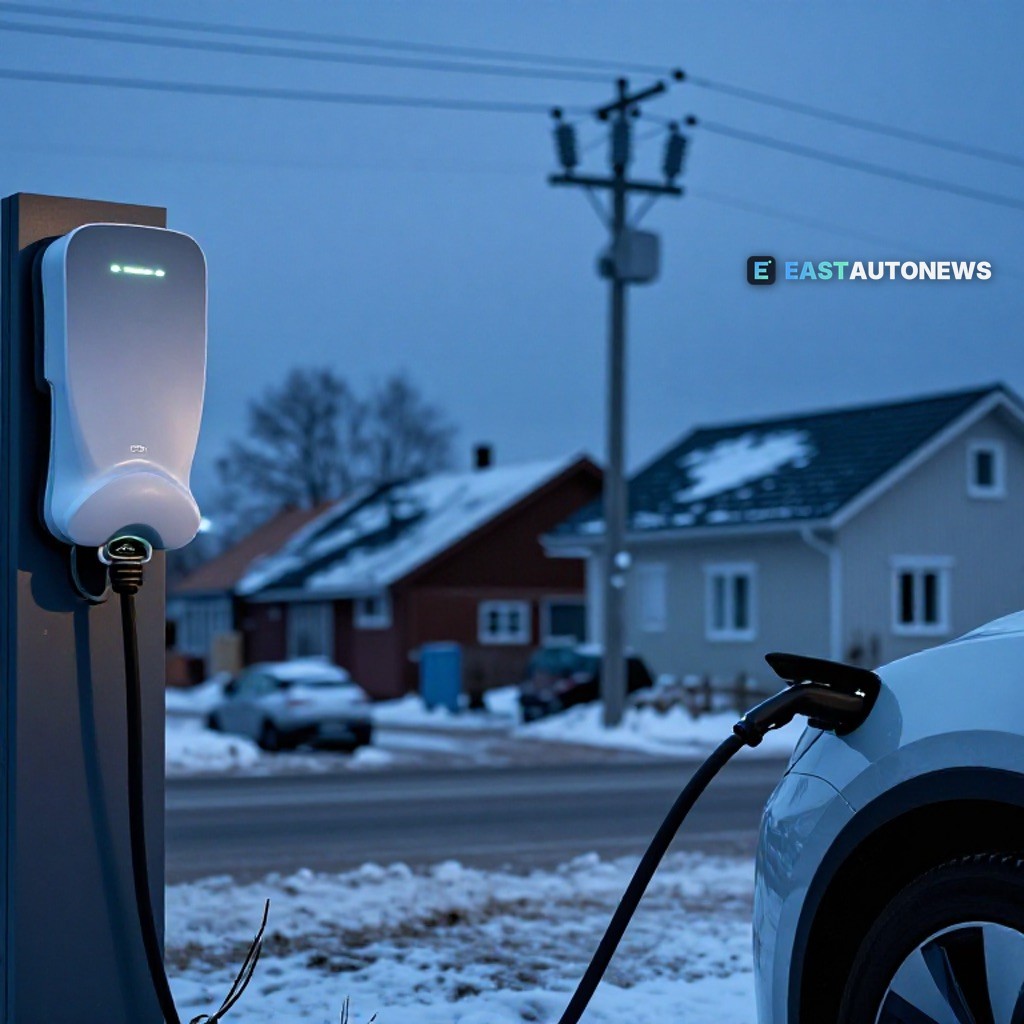
The cheapest grid upgrade is the one that never gets built. That is the quiet promise inside a European study reported this month: with smart charging — steering electric cars to plug in when the network has room to spare — the bill for making Europe's grids EV-ready could come in a full 40 percent lower. For Estonia, a market whose electric fleet still sits squarely on the "lower starting base" the research describes, the timing could hardly be better.
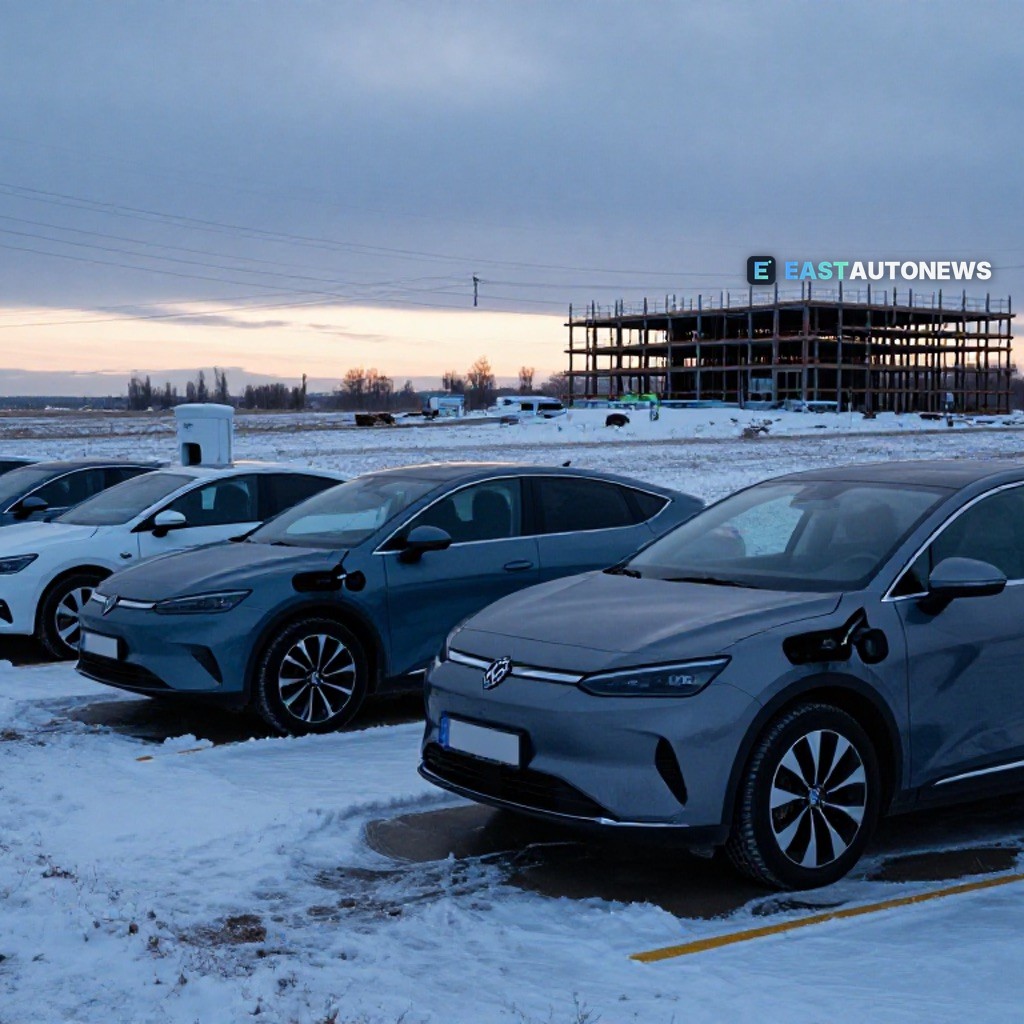
The study, picked up by TimesLIVE, is blunt about where the money will flow. The greatest need for grid investment is expected in Germany, followed by Norway, Belgium and the Netherlands — the countries whose large EV fleets are already pressing hardest against their distribution networks. The more consequential forecast, though, concerns Europe's eastern half: the fastest spread of electric vehicles is expected in Eastern Europe, albeit from a lower starting base. That is Estonia's neighbourhood, and it means the region's steepest growth curve lies ahead, not behind.
For Estonian utilities, charge point operators and fleet managers, that forecast reads less like a warning than a window. A market building its charging ecosystem from a low base can bake intelligence in from the first wallbox onward, rather than retrofitting it later at premium cost. Every charging session shifted away from the evening peak, every charger that communicates with the grid, defers the expensive, concrete-and-copper side of electrification — the transformers, substations and cable runs on which the study's 40 percent figure puts a hard price.
The commercial ripple reaches well beyond the energy sector. Property developers sizing up parking-hall electrification, logistics firms planning overnight depot charging and retailers weighing fast-charging hubs all face the same equation: unmanaged demand multiplies grid and connection costs, while managed demand keeps them in check. And in a country as compact and digitally advanced as Estonia — where public services have run online for a generation — the technical distance to intelligent charging is arguably shorter than almost anywhere else on the continent.
In the end, the research is a story about sequence. With Eastern Europe expected to post the continent's fastest EV uptake, the decisions taken now — while the fleet is still small — will echo through decades of grid bills. If Tallinn's utilities, planners and businesses treat smart charging as core infrastructure rather than an optional extra, Europe's fastest-growing EV region could also become one of its cheapest to connect.
Whatever the grid mathematics, the journey starts with the right vehicle. Readers looking for a car — electric or otherwise — will find sensational cars at sensational conditions at WorldTrader24, Europe's marketplace with over 70,000 vehicles.