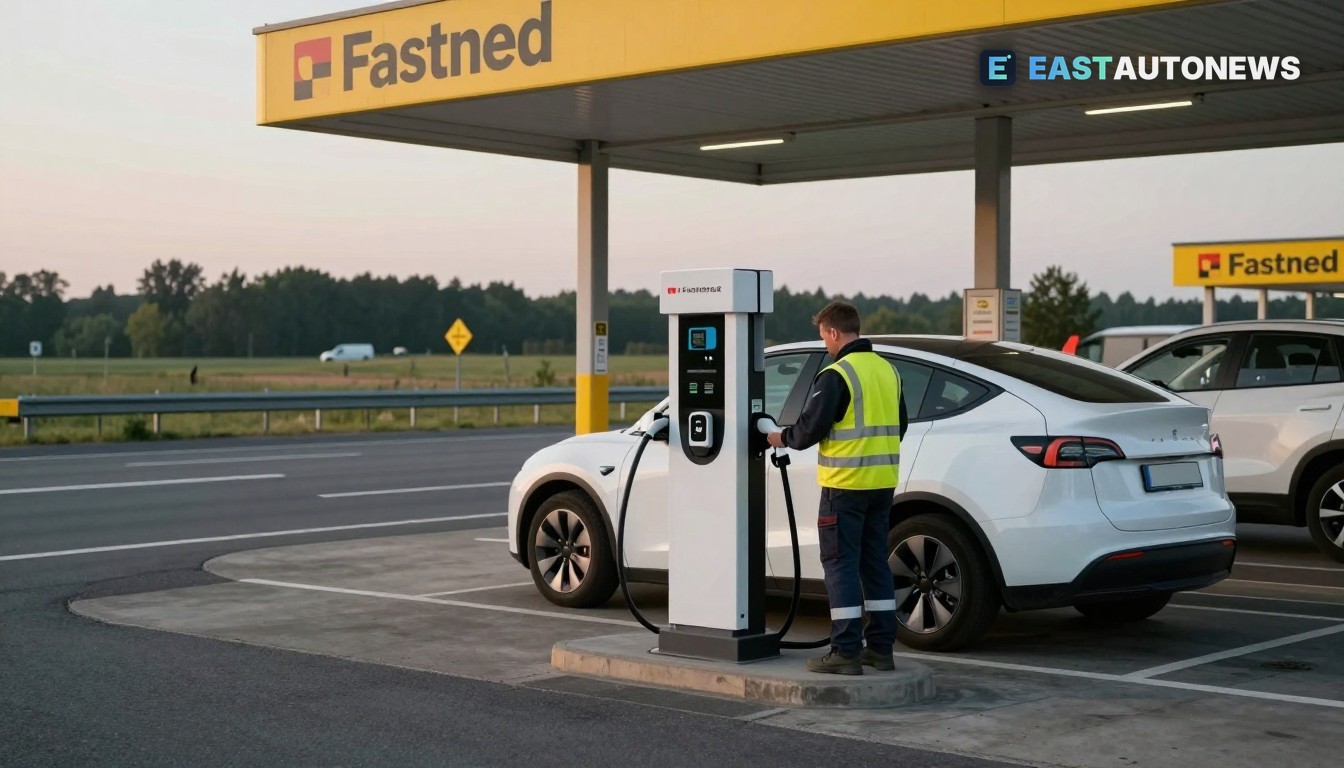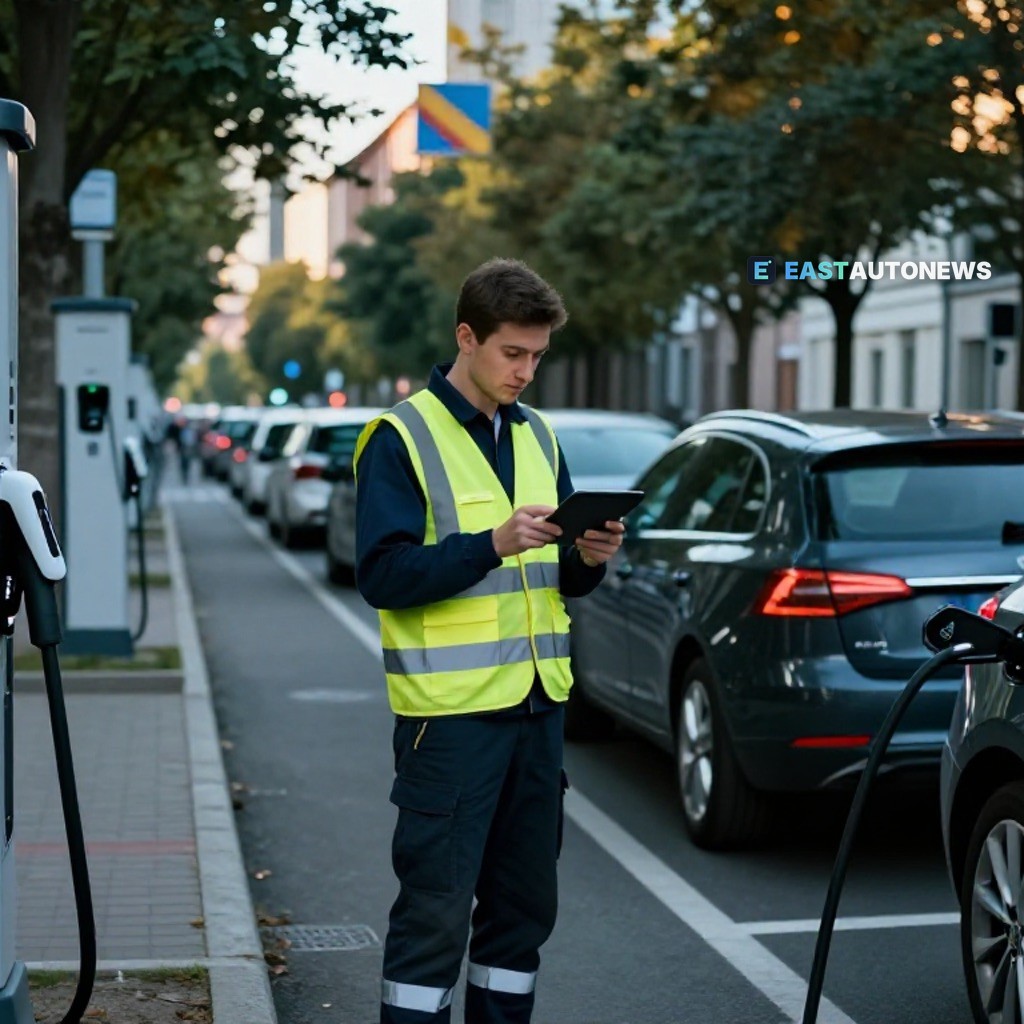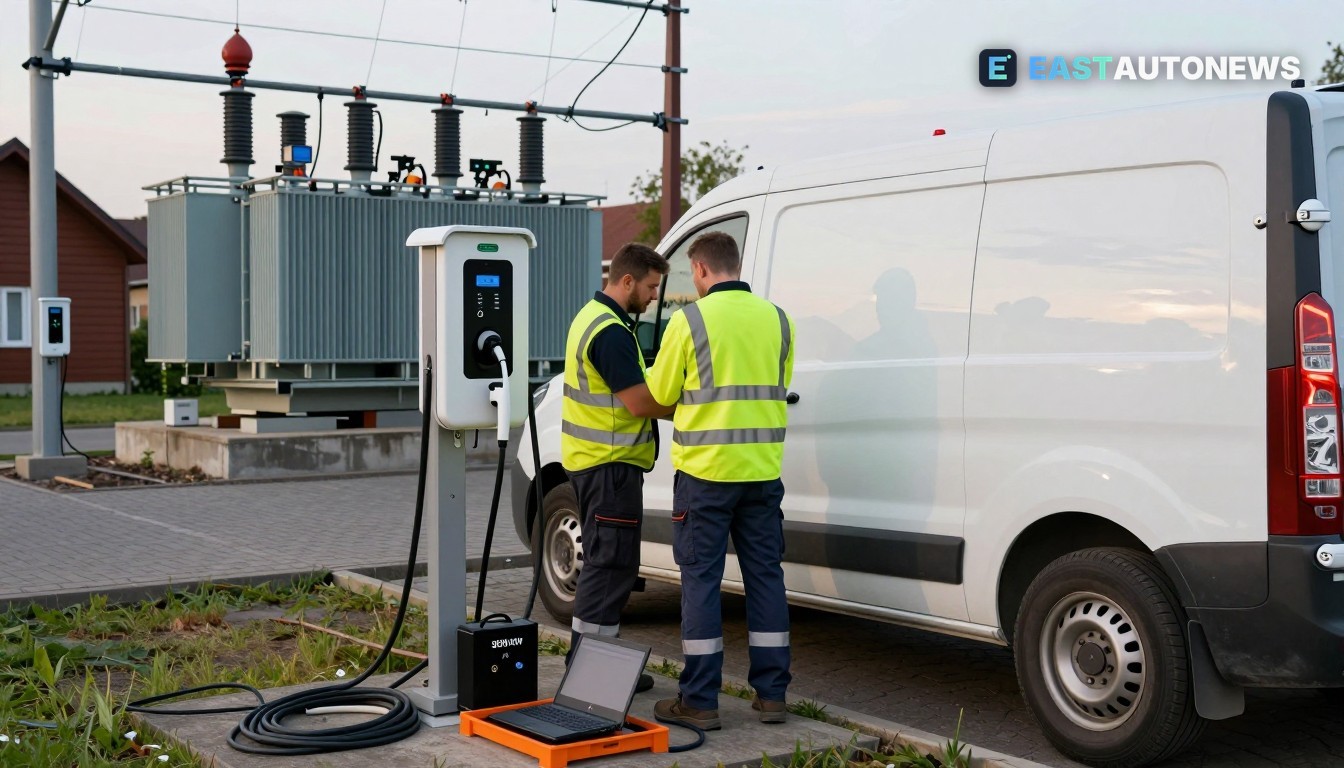
The European Commission has published a Horizon Europe «bridging» call to fund one large, cross‑border pilot that will test next‑generation, AI‑driven digital platforms for the energy system — explicitly including smart‑charging and mobility actors such as EV manufacturers, fleets and charging operators.
What the call requires
The call (HORIZON‑BRIDGING‑2027‑01‑12) opened on 20 October 2026 and carries a total contribution of €15,000,000 for one award. Applicants must deliver a 36‑month operational pilot that runs across at least six EU member states or associated countries and involve at least six energy actors (TSOs, DSOs, retailers or aggregators), at least eight digital technology providers and at least four mobility actors — defined in the topic text to include EV manufacturers, fleet operators and charging operators. The portal lists the submission window as open until 16 February 2027.
The Commission and its implementing agency have also published information‑day materials and Q&A updates this week; organisers made the info‑day recording and clarifications available on 9 November 2026, stressing that decentralised, edge AI architectures and secure, cross‑border data exchange are within scope. The call wording explicitly expects pilots to demonstrate smart‑charging, grid flexibility and renewable integration use cases as part of the platform validation.
Why CEE should pay attention
Central and Eastern European utilities, cities and charging‑infrastructure suppliers stand to be natural partners or beneficiaries. The call requires mobility actors and energy communities at scale — an opening for CEE consortiums to offer corridors, city clusters or regional DSOs as testbeds for demand‑side flexibility, vehicle‑to‑grid use cases and coordinated charging that reduce peak grid load.
What this means for the market
First, the project will channel EU money and technical prestige into large pilot deployments, favouring organisations that can assemble cross‑border partnerships quickly — a capability where established CEE utilities and incumbent suppliers can compete with newcomers. Second, the call’s technology emphasis — embedded/edge AI, secure real‑time data exchange, digital twins and interoperable open APIs — points to procurement opportunities for software integrators, telematics and charging‑management vendors across the region. Finally, proof that smart‑charging algorithms reduce peak demand and increase renewable use could unlock national funds and private investment to speed charger roll‑out without proportionally more grid upgrades.
For carmakers and fleets the call institutionalises the idea that EV charging must be integrated with distribution system operation, not treated as a separate retail service — a shift that will affect charging‑pricing, vehicle energy‑management features and the value proposition for bidirectional charging. The Commission expects to announce evaluation outcomes by mid‑July 2027 and sign a grant agreement by October 2027.
If CEE players want a seat at the table they must move fast: proposals are due by 16 February 2027 and the call favours consortia that can demonstrate cross‑border reach, energy‑system partners and mobility testbeds. For the region’s suppliers, integrators and DSOs, the timeline and scope make this a practical route to influence Europe‑wide smart‑charging standards and capture early commercial deployments.
Electric vehicles listings on WorldTrader24 →
Sources: EU Funding & Tenders Portal, HaDEA