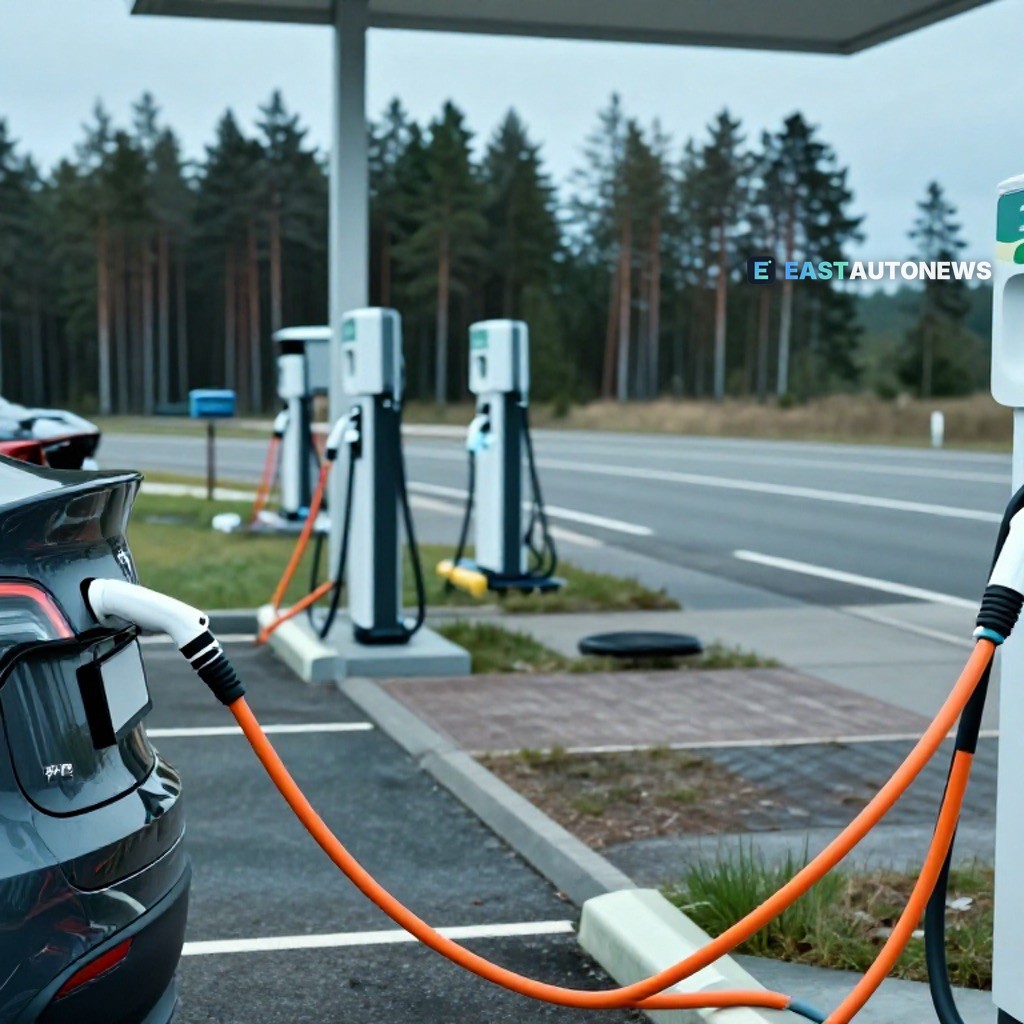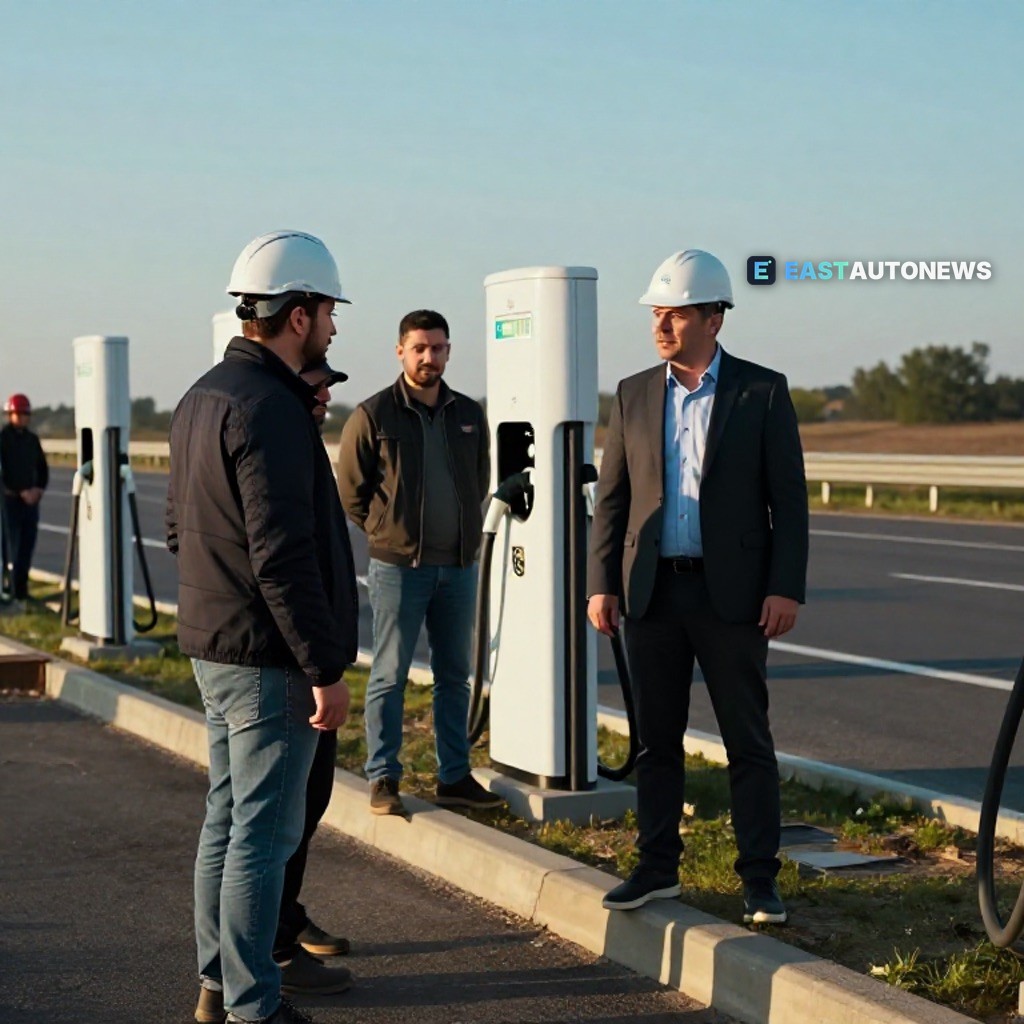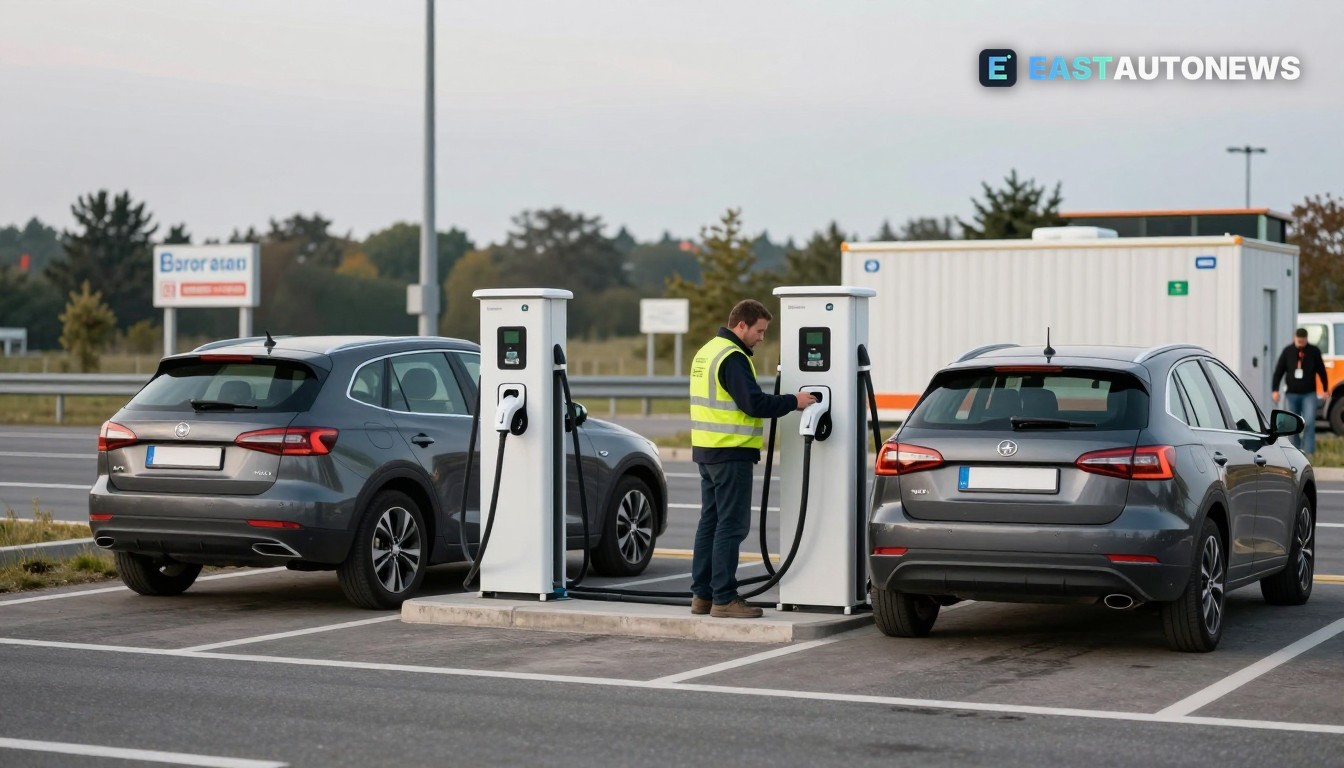
Slovakia's public EV charging network expanded sharply in the year to 30 September 2026, reaching 5,386 public charging points across 1,897 locations — an 85% increase versus the same date a year earlier. The third quarter alone added 1,679 points, most of them alternating‑current (AC) slow chargers completed under projects co‑financed from the country's Recovery and Resilience Plan.
Key numbers and trends
According to the Slovak Electromobility Association (SEVA), the public network now comprises 3,542 AC points and 1,844 direct‑current (DC) fast points; the fast‑charging tier above 150 kW and support for 800‑volt architectures has grown significantly, with at least 500 locations already prepared for 800 V vehicles. At the end of September the national police registry recorded 33,737 battery electric passenger cars, up 38% from the start of the year — about 6.3 BEVs per public charging point.
SEVA director Patrik Križanský underlined the differing roles of charger types: “Public charging must be developed where and how people use their cars — fast charging for long trips, and slower AC charging where vehicles park for many hours,” he said, commenting on the data.
Infrastructure drivers and delivery
The record pace of installations in Q3 was largely the result of Recovery Plan projects being formally completed and entered into the economy ministry's records, boosting AC deployments in towns and regions. The change reduced the ratio of EVs per public point from 8.4 at the end of June to 6.3 by the end of September, improving access for everyday users. SEVA and national agencies reported Bratislava region still hosts the densest cluster (1,233 points, ~23% of the national total), but regions such as Trnava, Žilina and Prešov posted the fastest relative gains.
What this means for the market
For manufacturers, suppliers and dealers in Central and Eastern Europe the Slovak build‑out matters in three ways. First, improved public AC coverage supports urban and peri‑urban BEV adoption that can widen the addressable market for mainstream models. Second, the rise in DC and >150 kW hubs — and the spread of 800 V readiness — means more customers can exploit high‑power architectures used by many new BEV models, increasing the attractiveness of higher‑range vehicles and fast‑charging‑optimised powertrains. Third, completion of Recovery Plan‑funded projects signals how EU recovery money continues to reshape charging availability in CEE, creating opportunities for local installers, grid‑services firms and battery‑storage integrators to win follow‑on contracts.
Slovakia remains below the EU average for BEV share of new registrations (7% year‑to‑date versus the EU's 22.7% for the same period), so the network expansion is both a response to, and enabler of, future EV growth — provided grid, roaming and pricing issues are resolved as usage rises.
Electric cars on WorldTrader24 →
Sources: TASR, SITA