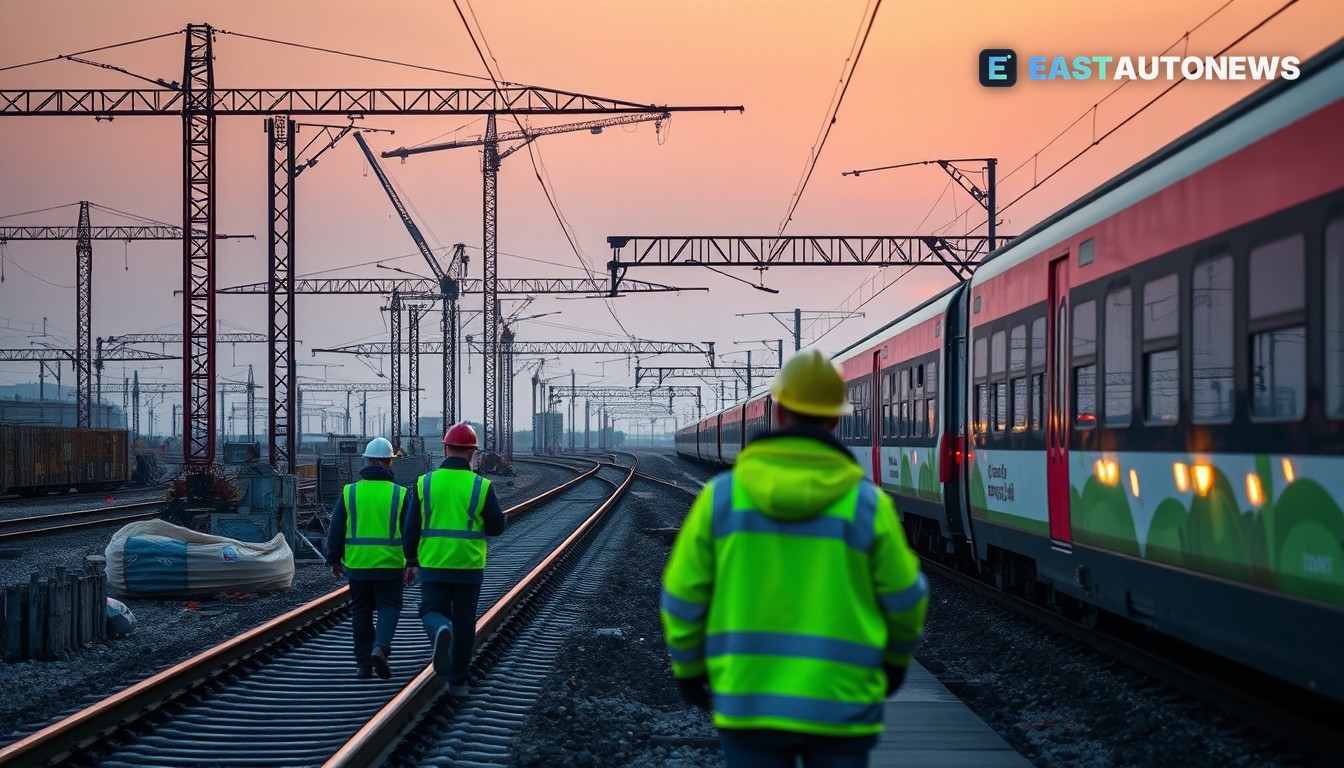
Estonian regional operator Elron has posted a service warning saying timetables will change on 2 November 2026 because of ongoing reconstruction and electrification works on the Tapa–Tartu and Tapa–Narva corridors. The notice makes clear the changes are driven by infrastructure works being carried out by the infrastructure manager AS Eesti Raudtee and will include temporary replacement buses and altered departure and arrival times for affected services.
What’s changing
Elron’s public information page lists the principal 2026 works as the reconstruction and electrification of the railway between Tapa–Tartu and Tapa–Narva, and warns that the most extensive construction will be on the Tapa–Narva section. The company also notes earlier activation work on signalling and that from 31 August activation works required manual traffic control at up to four stations simultaneously on parts of the Tapa–Tartu section, a sequence that has been producing rolling timetable changes.
The infrastructure work is being carried out to permit the introduction of new electric multiple units (EMUs) ordered for Estonia. State and operator statements and coverage from Estonian Public Broadcasting confirm that a fleet of 16 new Škoda electric trains was procured for 2024–26 delivery and that those long‑distance sets are intended to operate once electrification is completed.
Timeline and policy context
Broad policy reviews note that the Tallinn–Tartu electrification was scheduled to be finalised in 2026 while the Tapa–Narva project was expected to complete in mid‑2027; the OECD’s 2026 survey of Estonia highlights the rail electrification programme as central to the country’s transport decarbonisation efforts and recommends speeding up works and grid and rolling‑stock investments.
What this means for the market
For the passenger rail market and related suppliers, the immediate effect is operational: repeated timetable adjustments and bus replacements will suppress punctuality and revenue in the short term as services are adapted to construction phasing. Over the medium term, completion of electrification and the entry of Škoda EMUs will reduce operating emissions on main corridors, enable faster and quieter services, and should improve the competitiveness of rail versus car for intercity travel — an outcome the OECD specifically flags as needed to cut transport emissions. These infrastructure works also create procurement and contracting opportunities for signalling, overhead line and rolling‑stock suppliers active in the Baltic region.
The most immediate consumer signal is practical: passengers should check Elron’s timetable updates before travel (Elron notes the next scheduled timetable change is 2 November 2026). Operators and local authorities will need to coordinate replacement services and customer information carefully during the remaining phases of work.
Skoda electric trains and units on WorldTrader24 →
Sources: Elron, OECD, ERR