The German Bundestag on 5 November 2026 approved a revision of the Elektromobilitätsgesetz (EmoG) that extends a range of privileges for electrically powered vehicles and expands their scope to additional vehicle classes. The law, adopted in the version amended by the Bundestag transport committee, removes the blanket expiry of the EmoG at the end of 2026 and fixes parts of the law in place until 31 December 2035.
What the change does
The amendment keeps the preferential treatment set out in paragraph 3, paragraph 5, numbers 2–6 of the EmoG — measures such as priority parking and similar municipal concessions — in force until 31 December 2035. It also explicitly broadens the law’s application to cover buses and commercial vehicles, and adds light quadricycles in class L6e. The Bundestag text says the change aims to provide legal continuity and greater planning certainty for municipalities and road users.
The government-backed bill received support from the ruling CDU/CSU and SPD groups, while the Greens and The Left abstained and the AfD opposed the measure, according to the Bundestag summary of the vote on 5 November 2026. The Bundestag also adopted an accompanying declaration asking the government to report on the law’s application and effects.
Practical details and timing
The revised text requires a report from the Federal Ministry of Transport to the Bundestag by 30 June 2030 on how the EmoG is being applied, including data on vehicles bearing E‑plates, vehicle classes and the use of privileges. The government form of the bill and committee documents framed the extension as part of the Masterplan Ladeinfrastruktur 2030 and as a measure to support electrification of fleets (buses and light commercial vehicles).
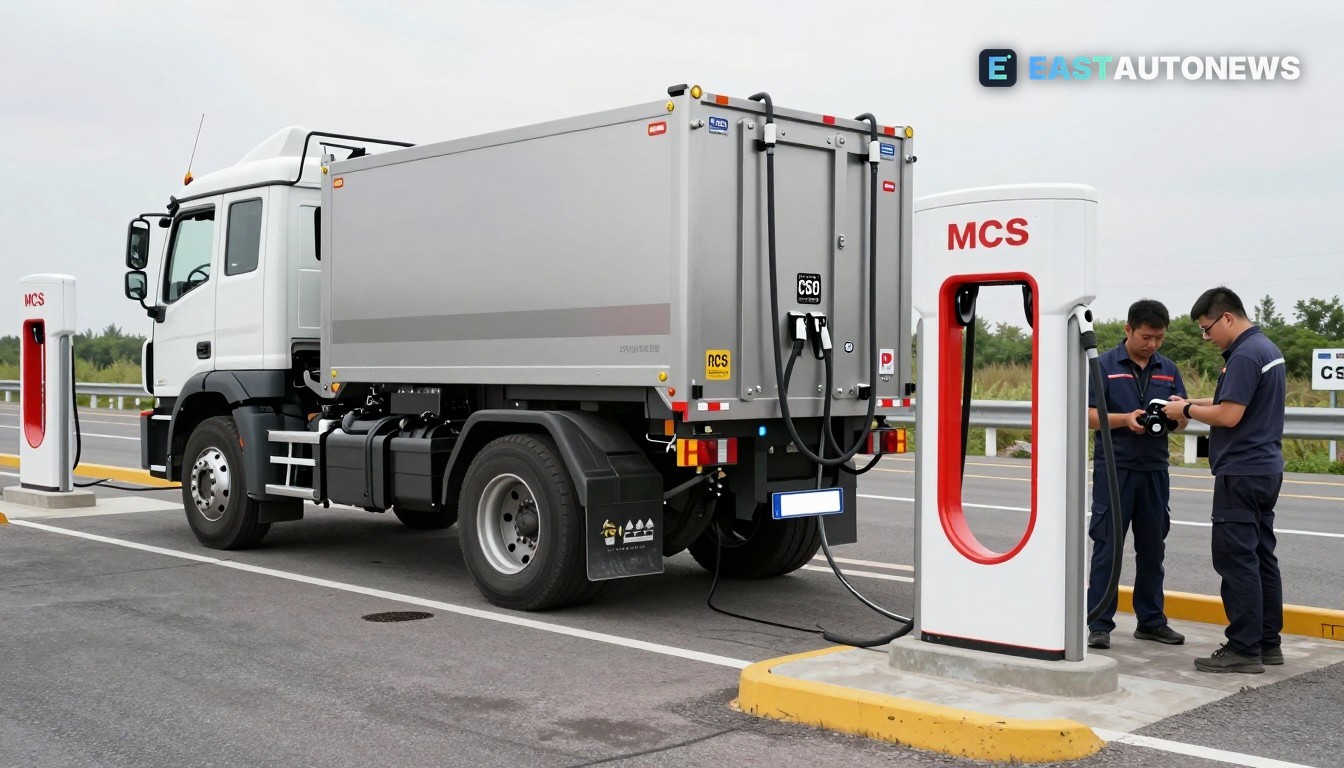
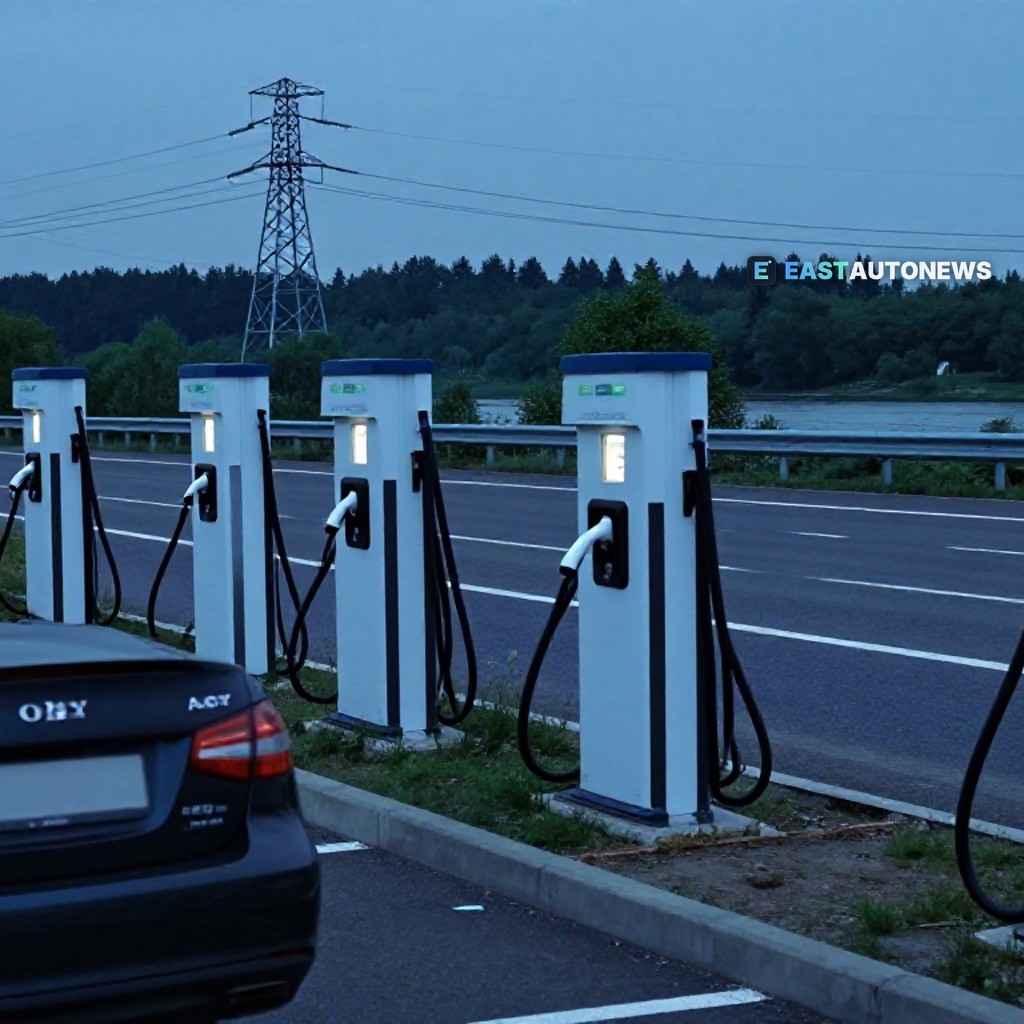
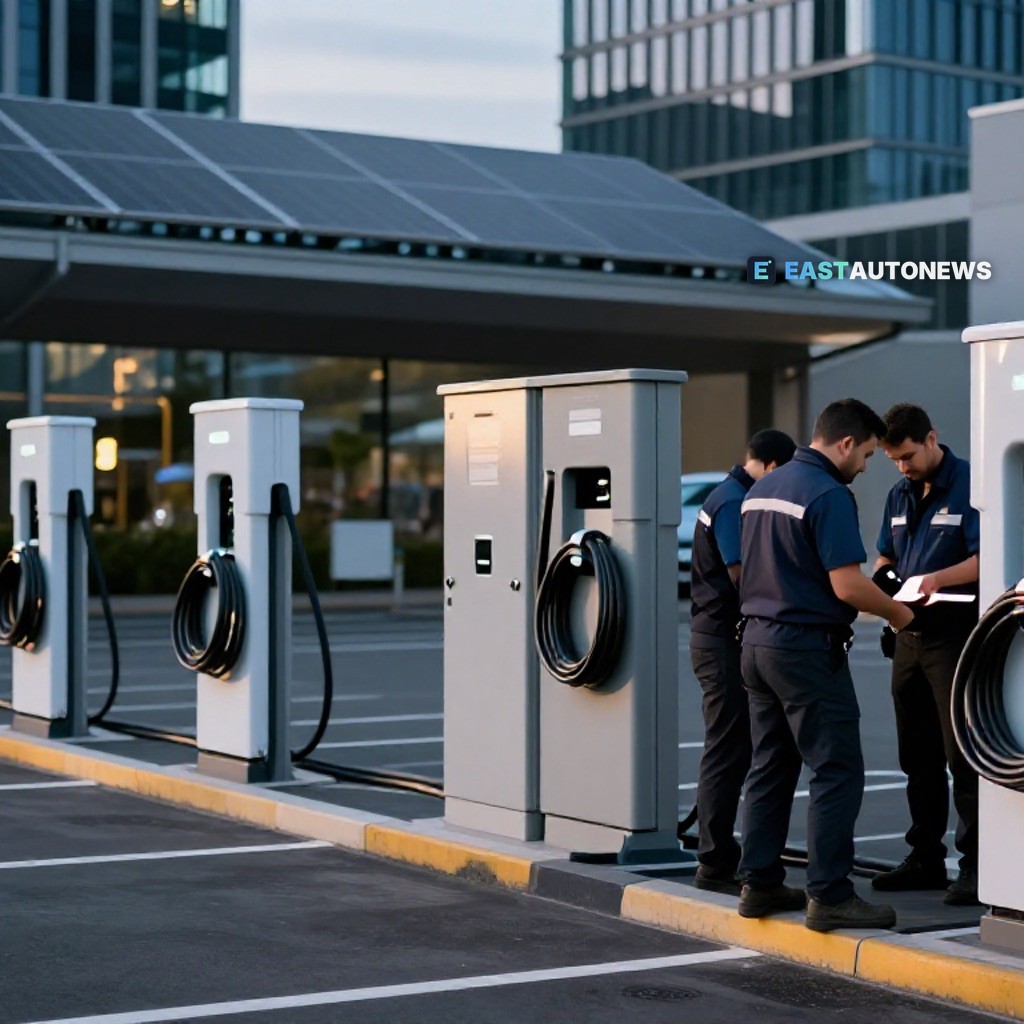
Industry and specialist press noted the practical consequences for charging and parking rules: outlets summarising the law said it preserves the option for EVs to park at public charging points while charging and keeps other municipal incentives available through 2035, subject to the narrower scope of extended privileges set out in the amended law.
What this means for the market
For Central and Eastern European manufacturers, suppliers and fleet operators, Germany’s move matters because it extends a large and influential demand pool’s policy stability for nearly a decade. Municipalities in Germany will retain the legal tools to prioritise electric vehicles at curbside and charging locations, which supports continued investment in public charging and in electrifying local bus and delivery fleets. That continuity reduces a key regulatory risk for suppliers and charging infrastructure investors whose projects and rollouts are often planned on multi‑year timescales.
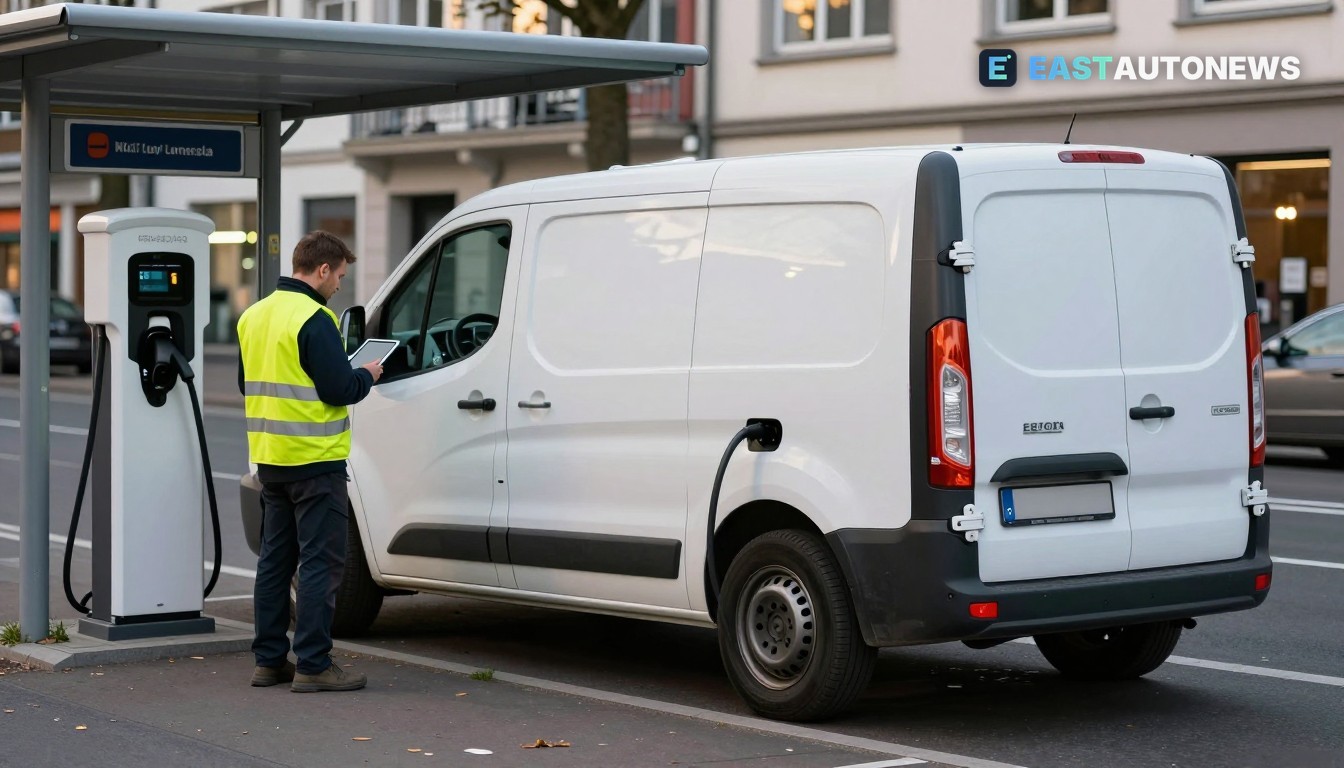
Vehicle makers and parts suppliers in CEE who rely on cross‑border fleet sales and service to Germany should expect steadier demand signals for electric vans, buses and light commercial EVs — segments the new EmoG text explicitly includes. The 2030 reporting deadline will also create a data checkpoint that could prompt further adjustments to incentives or operating rules, something OEMs and charging operators should watch closely.
Finally, the extension underscores that national measures to support EV adoption remain a lever for market formation even as EU‑level rules evolve — a point relevant to CEE governments that balance local incentives with broader industrial policies.
Electric vehicles listings on WorldTrader24 →
Sources: Deutscher Bundestag, Golem.de, EV.guru