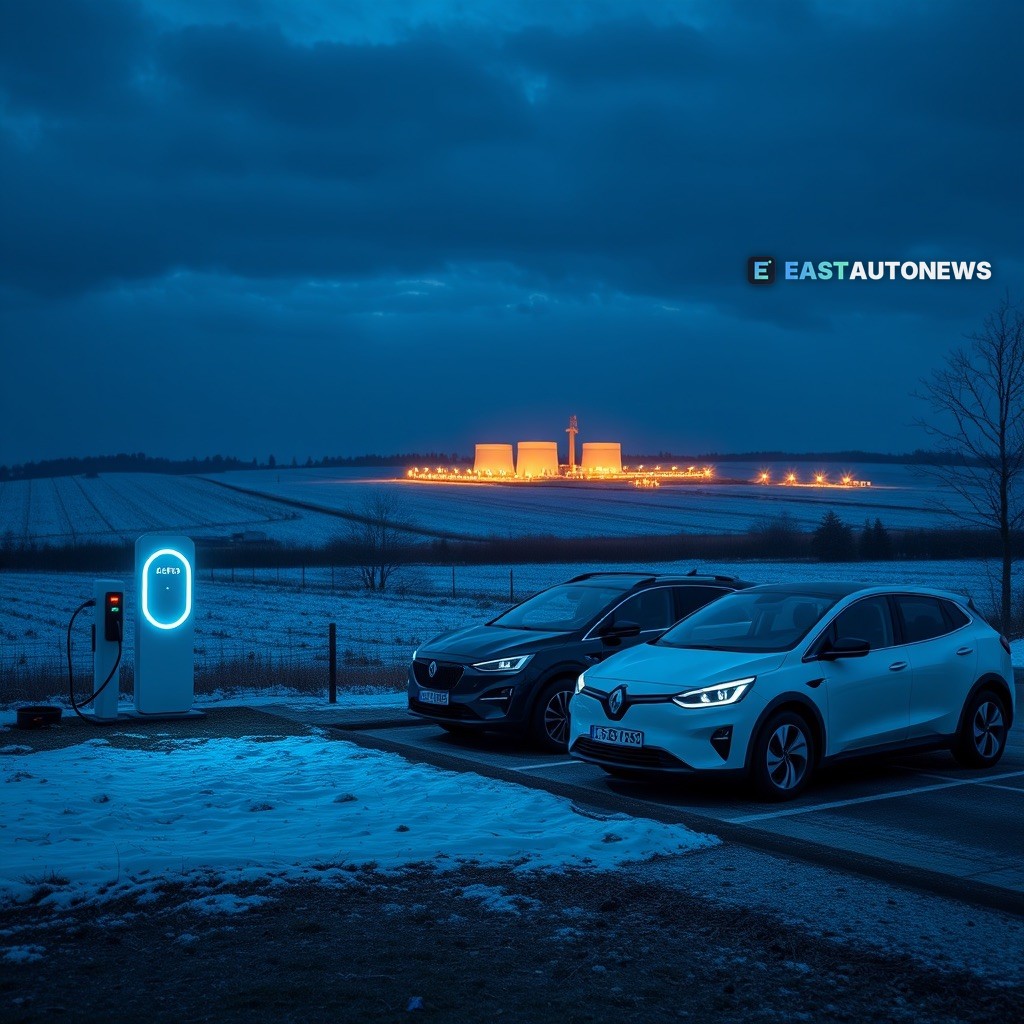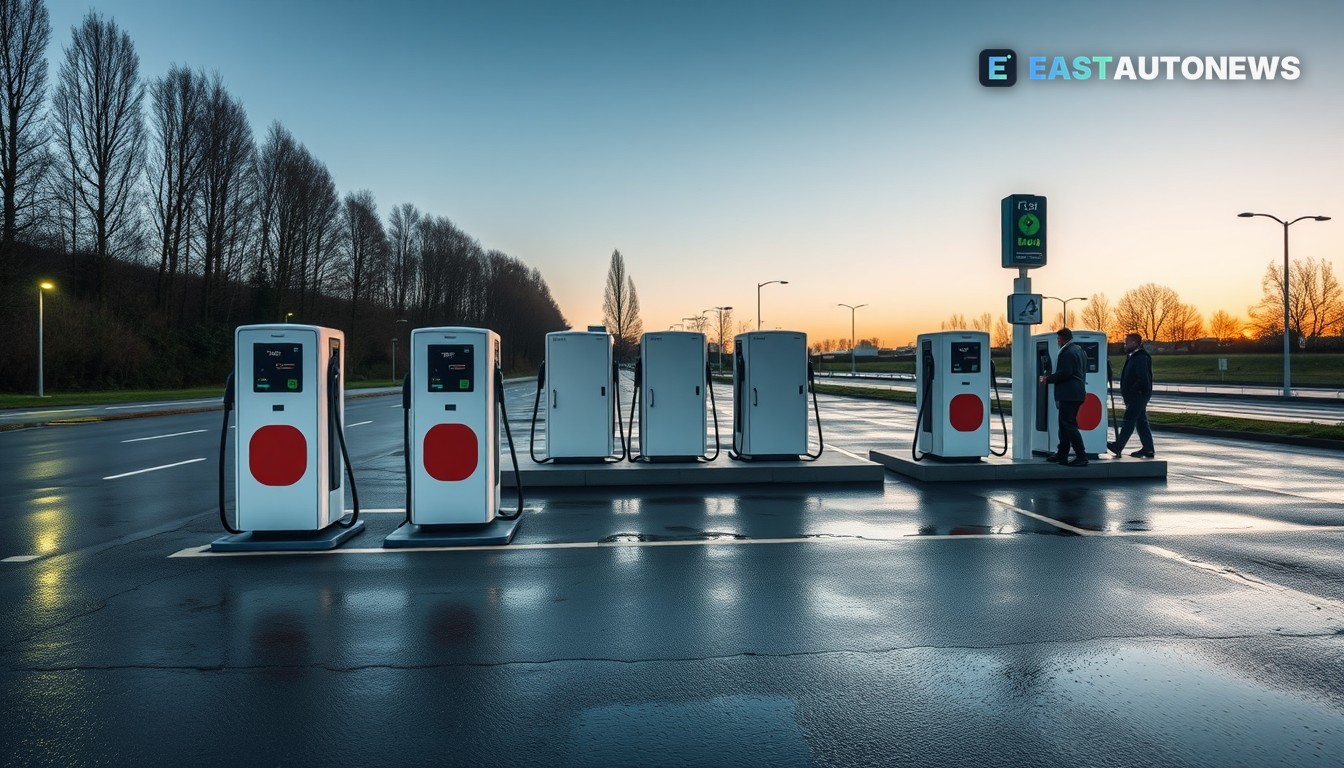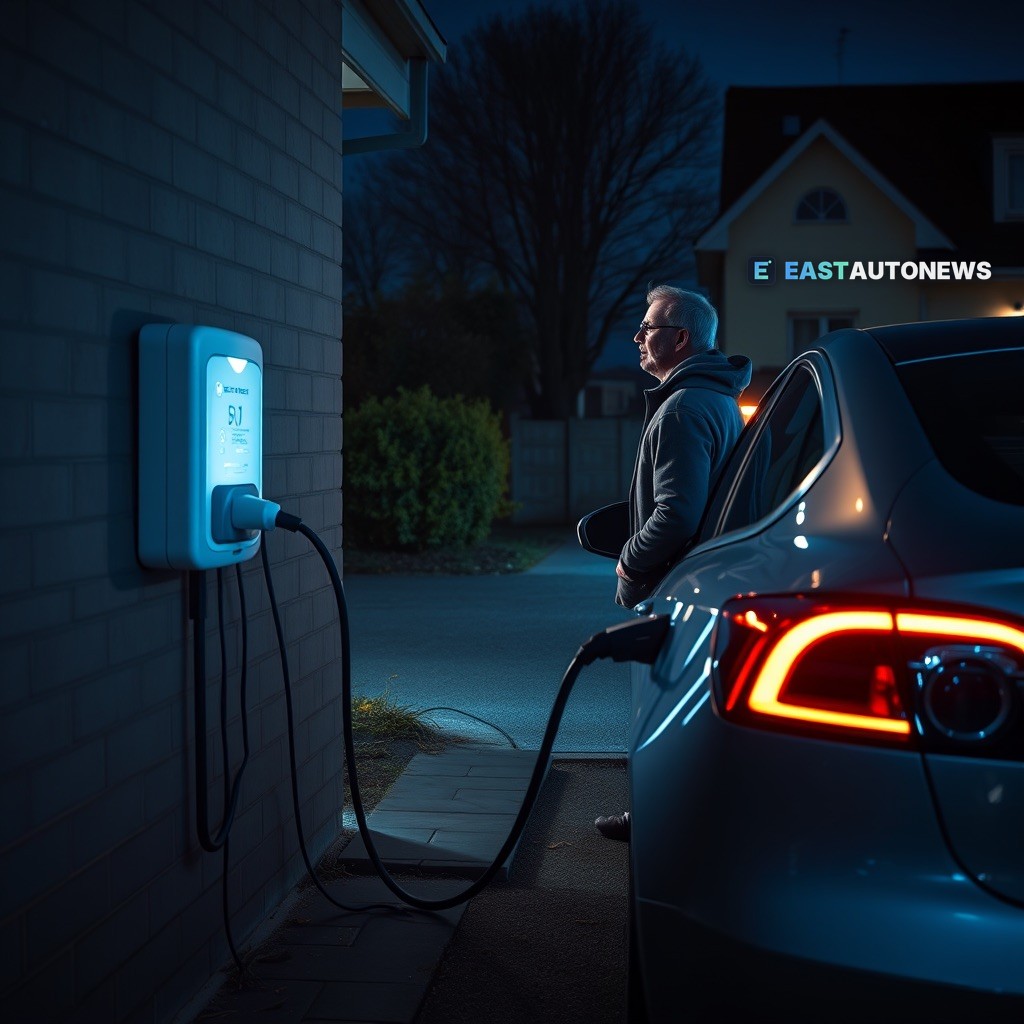
Plug in an electric car anywhere in Poland and the meter turns faster than in most of Europe. A full charge at home costs an estimated €22.12, while covering 100 kilometres consumes €5.03 worth of electricity — both figures roughly 39% above the European median, according to an analysis by Poland Insight. The result is an uncomfortable distinction: Poland ranks seventh in Europe for home EV charging costs, a painful position for a market long billed as one of the continent's next growth engines.
For fleet managers and company-car strategists, the numbers land squarely on the bottom line. Electricity is the fuel of an electric fleet, and a near-40% premium on home charging rewrites the total-cost-of-ownership arithmetic that has underpinned the business case for going electric. At €5.03 per 100 kilometres, the savings gap versus combustion vehicles narrows with every billing cycle — a margin pressure that multiplies across thousands of fleet vehicles and millions of kilometres.
The irony is that Poland is simultaneously proving to be one of Europe's most dynamic electrified-vehicle markets. The country is helping drive the EU truck market's recovery, and among heavy trucks the number of vehicles classified by ACEA as electrically chargeable — those that can be charged from an external power source — surged 59.9% across the EU. Heavy transport, the hardest segment to electrify, is moving faster than many expected, with Poland at the forefront of the broader market rebound.