Rising energy prices have eaten into the purchasing power of three-quarters of Bulgarians, according to a new European Investment Bank survey — a striking figure that captures just how hard the cost-of-living squeeze has hit the country's households. Yet the same research delivers a surprise: far from souring Bulgarians on the energy transition, the crisis has sharpened their appetite for it. What respondents want is a transition that cuts costs, boosts autonomy and delivers for the climate.
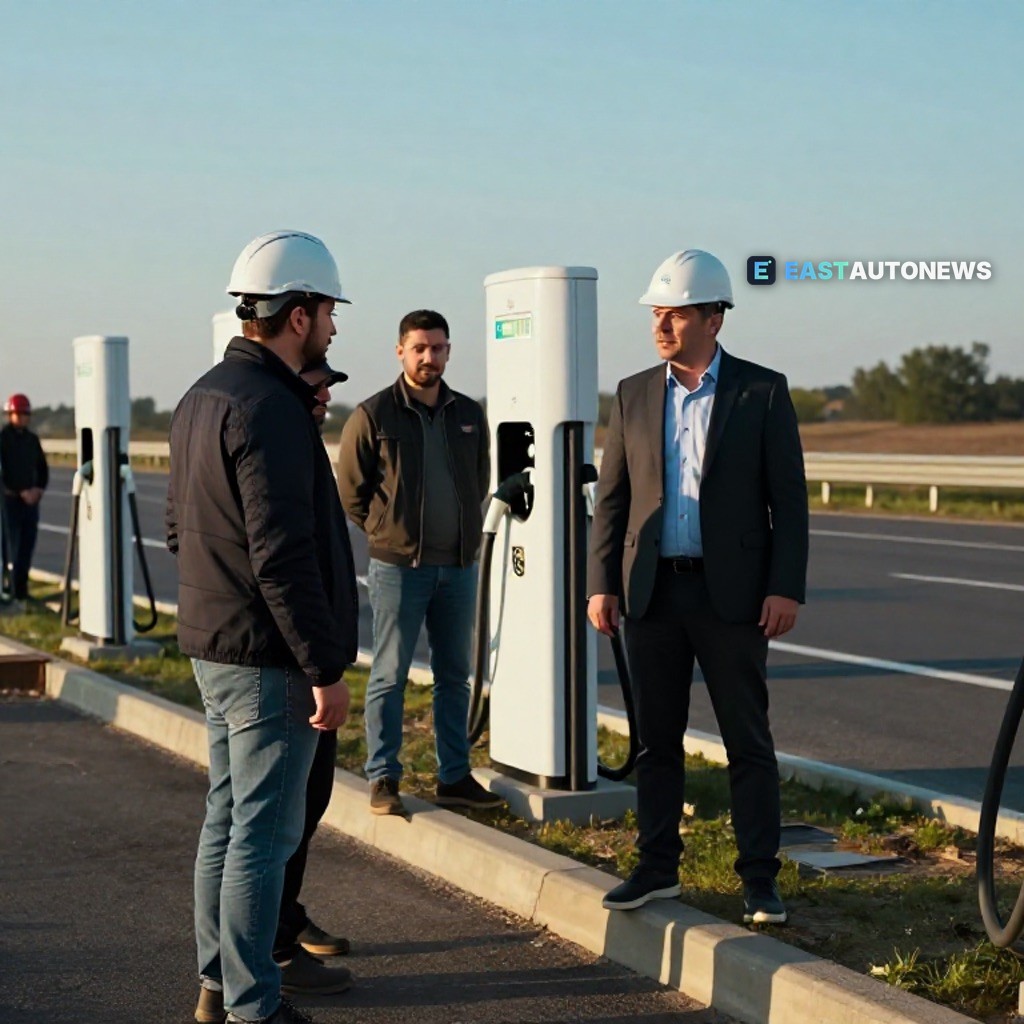
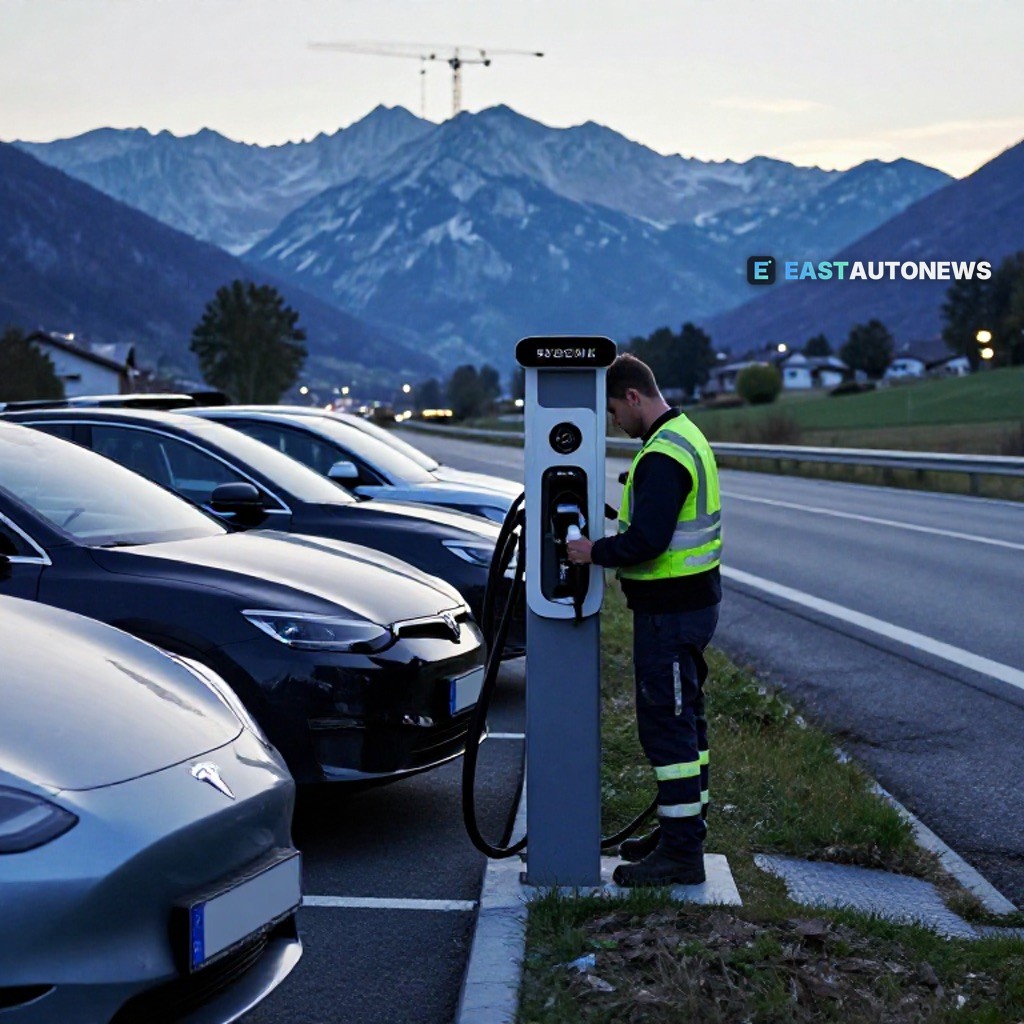
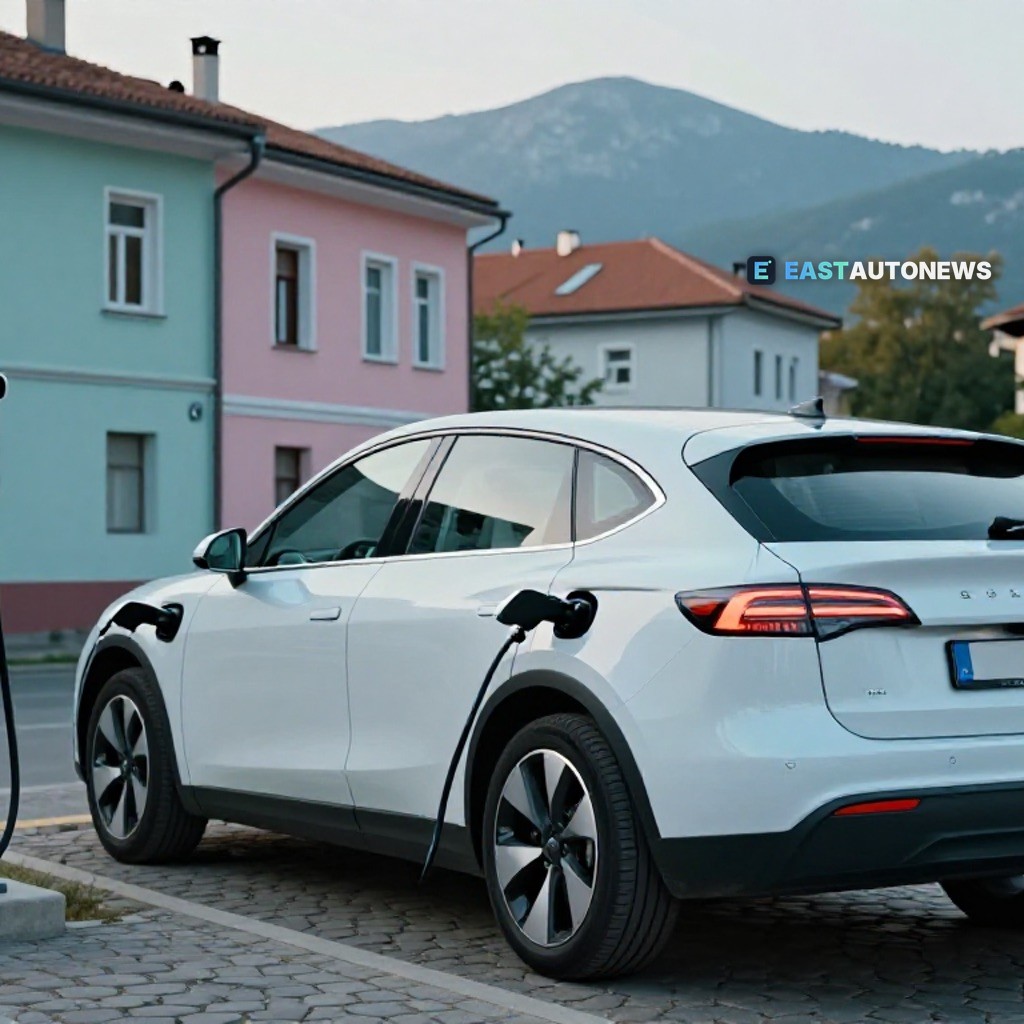
The European Investment Bank is putting serious money behind that appetite. In 2025 the EIB provided €128 million for electric-vehicle charging infrastructure across the region, and among the flagship commitments is €40 million in financing for Eldrive Holding to develop charging networks — a package that includes 1,530 new charging stations in Bulgaria. A buildout on that scale promises to redraw the country's public charging map.
Bulgaria has also done its homework on the regulatory side. EV charging has been classified as a de-licensed activity, a move that enables private-sector participation and faster deployment of public charging infrastructure. The formula — EU-backed capital meeting a light regulatory touch — gives operators room to scale quickly rather than getting tangled in licensing bottlenecks.
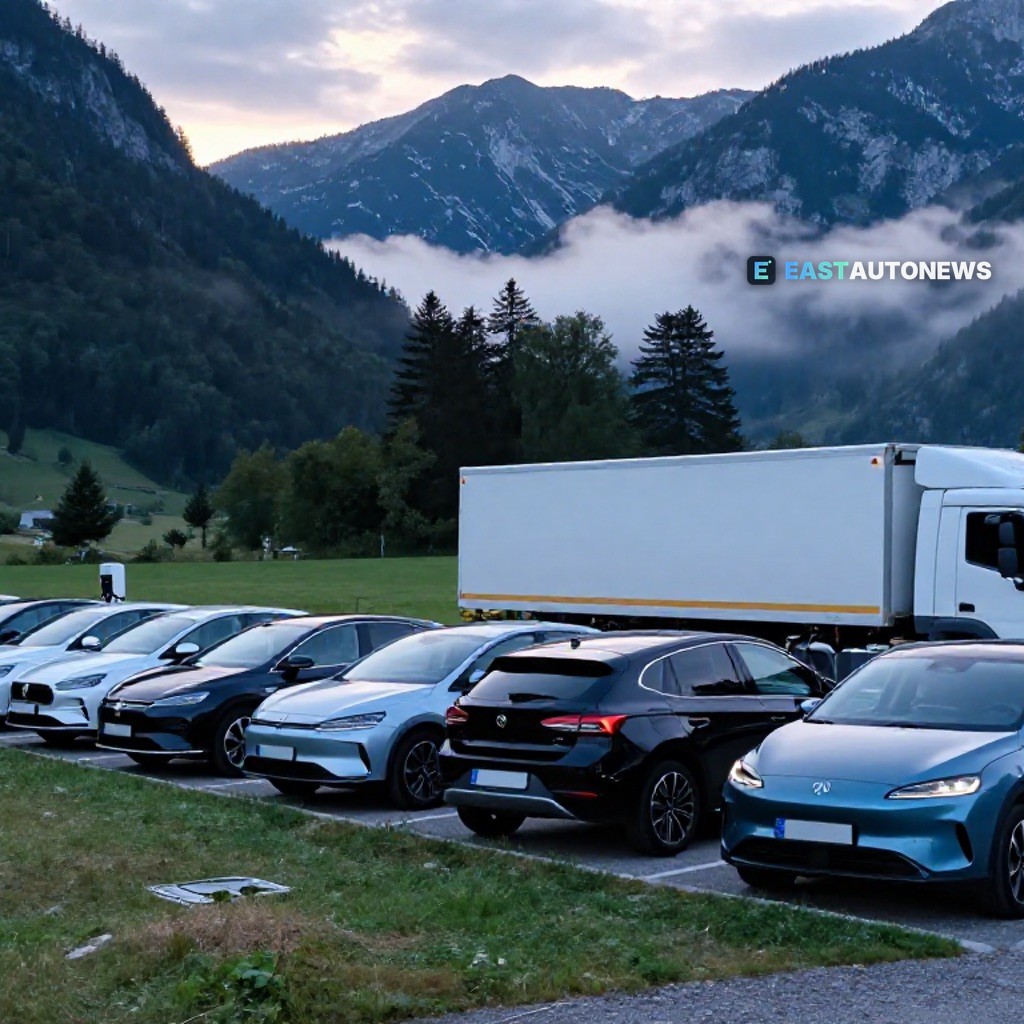
The timing matters for motorists. Range remains one of the main concerns for drivers considering an EV, even as range keeps getting better and charging infrastructure across Europe continually expands. In a country where energy bills have dented household budgets, the promise of cheaper, more autonomous mobility — underpinned by chargers that are actually there when you need them — is precisely the pitch the transition has to deliver on.
Bulgaria's charging push also lands amid a wider European scramble to anchor the EV value chain at home. A handful of European ventures are mounting a direct counteroffensive against the Eastern influx of rival technology: Porsche alone has invested roughly €1 billion in a dedicated battery module facility in Horná Streda, Slovakia. Charging networks may be the less glamorous half of the equation, but as Bulgaria's 1,530 new stations show, they are the half drivers touch every day.
For Bulgarian motorists watching the charging map fill in, going electric is starting to look genuinely practical. And whether your next set of wheels runs on batteries or petrol, you will find sensational cars at sensational conditions at WorldTrader24, Europe's marketplace with over 70,000 vehicles.