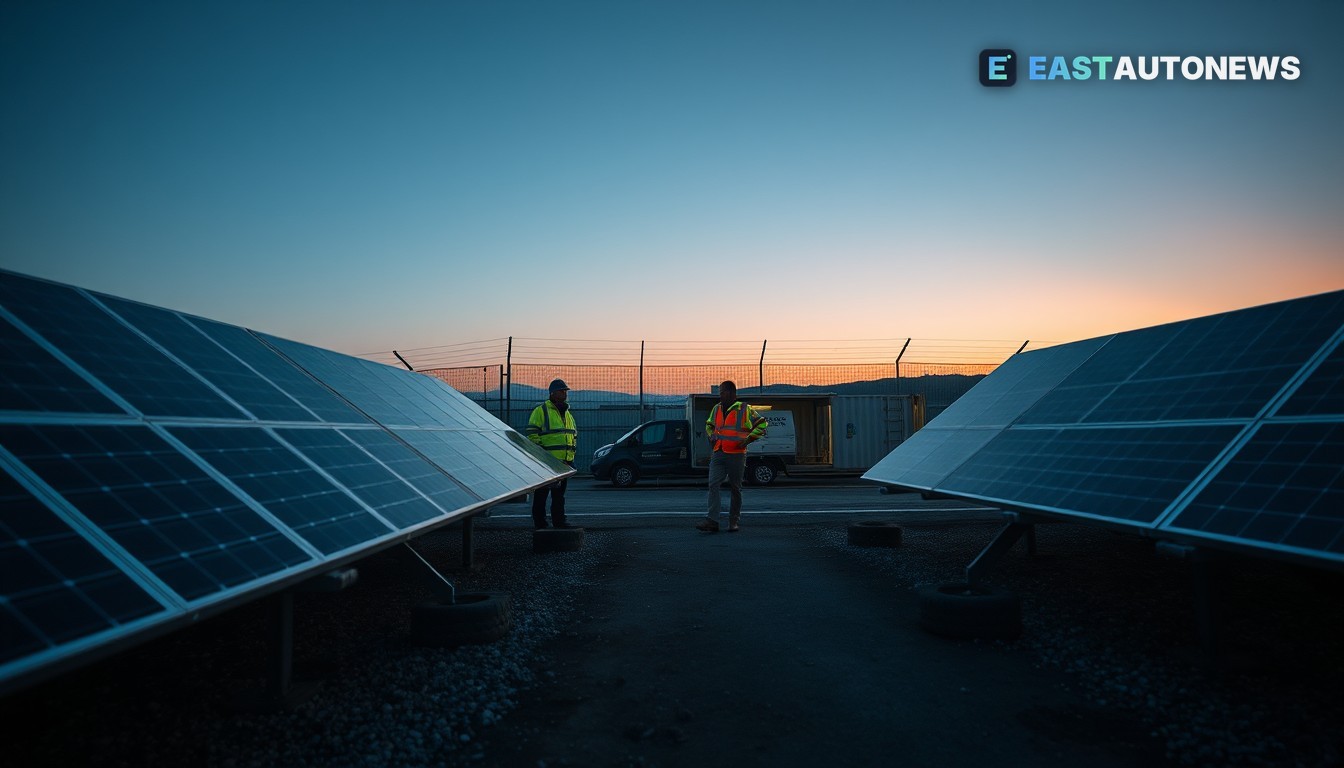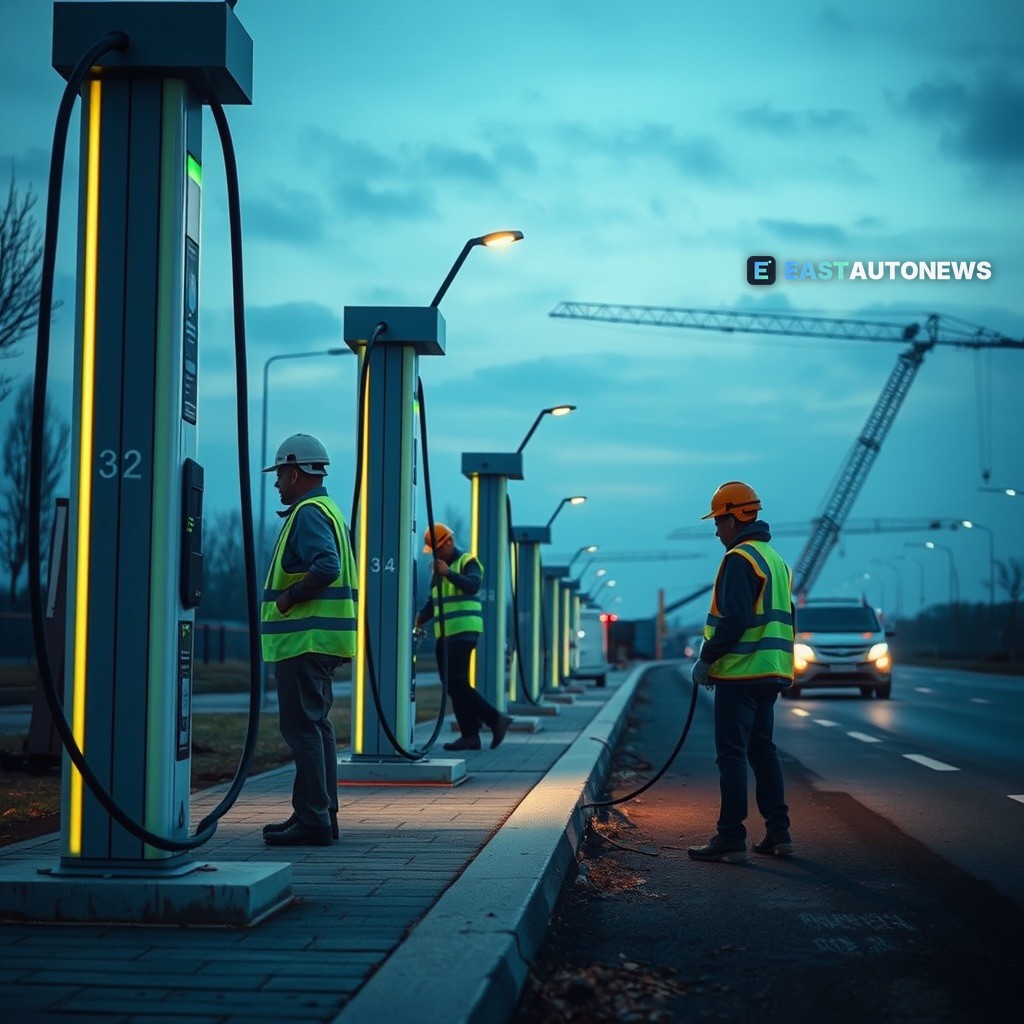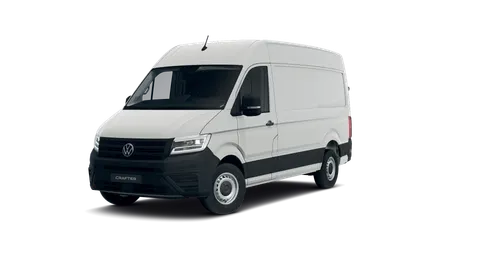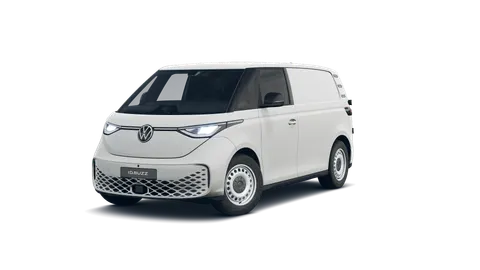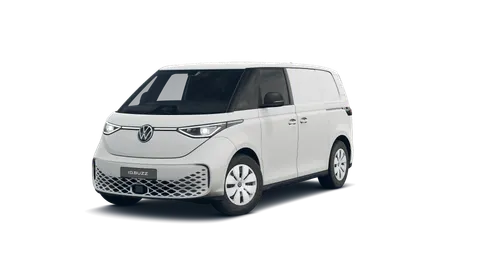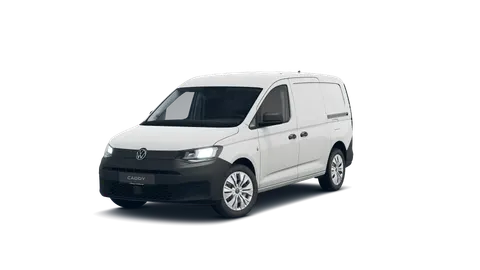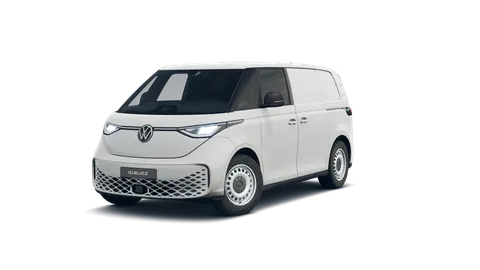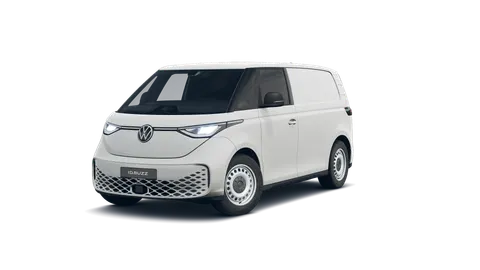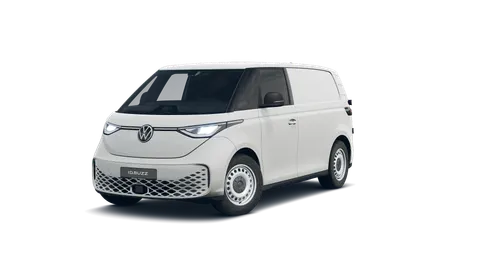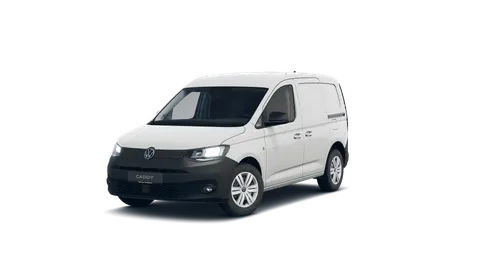
Electric vehicle charging in Latvia has advanced to the point where recharging a battery takes about as long as a standard coffee break, according to findings published by lasi.lv. The development transforms long-distance travel for Latvian EV drivers and removes one of the most persistent objections dealers face when pitching electrified models to hesitant customers.
The timing, however, is complicated. In February 2025, Estonia, Latvia and Lithuania disconnected from the BRELL power grid and switched to synchronization with the European grid, and electricity prices in the Baltic states have risen several times since the region severed ties with Russia, according to reports this week. Every kilowatt-hour put into a battery now costs more, turning charging speed from a comfort feature into an economic lever.
Brussels is coming under pressure to respond. Lithuanian Energy Minister Lukas Savickas has urged the European Union to curb rising gas prices, saying the bloc needs to take measures to overcome the energy crisis and limit price increases. For the regional auto trade, the intervention is a reminder that electricity costs now sit at the center of every total-cost-of-ownership calculation for an EV.