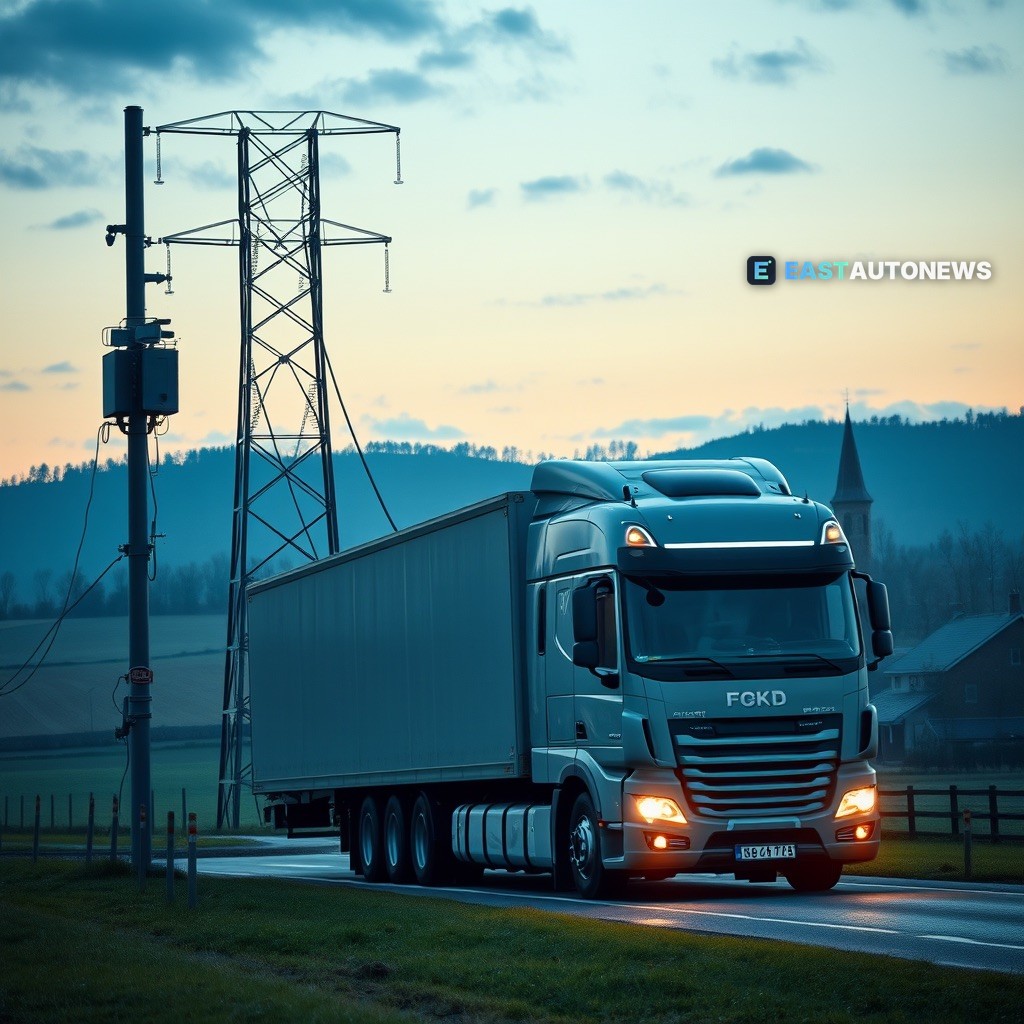
Something unusual is happening on Europe's motorways, and the loudest signal comes from the quietest vehicles on them. The EU's heavy-truck market is bouncing back — and the country doing much of the pulling is Poland. Buried in the recovery data sits an even sharper story: among heavy trucks, the number of vehicles ACEA classifies as electrically chargeable, meaning they can be charged from an external power source, surged 59.9% across the EU.
A jump of nearly 60% is not a statistical wobble; it is a structural shift in how goods move across the continent. Poland, whose haulage sector has long been the workhorse of European road transport, now finds itself at the front of the rebound — a recovery pronounced enough that Britain, by contrast, risks being left behind. For a country that lives off logistics, the direction of travel could hardly matter more.
The economics explain much of the pull. According to Eleport's cross-Europe price report, the median fast-charging price in Poland stands at 2.54 PLN per kWh — roughly €0.59. Cheap electrons matter enormously in freight, where energy is among the largest controllable costs. An operator who can charge affordably along the corridors linking Polish warehouses to German, Baltic and Balkan markets has a genuine business case for going electric, not merely a compliance one.
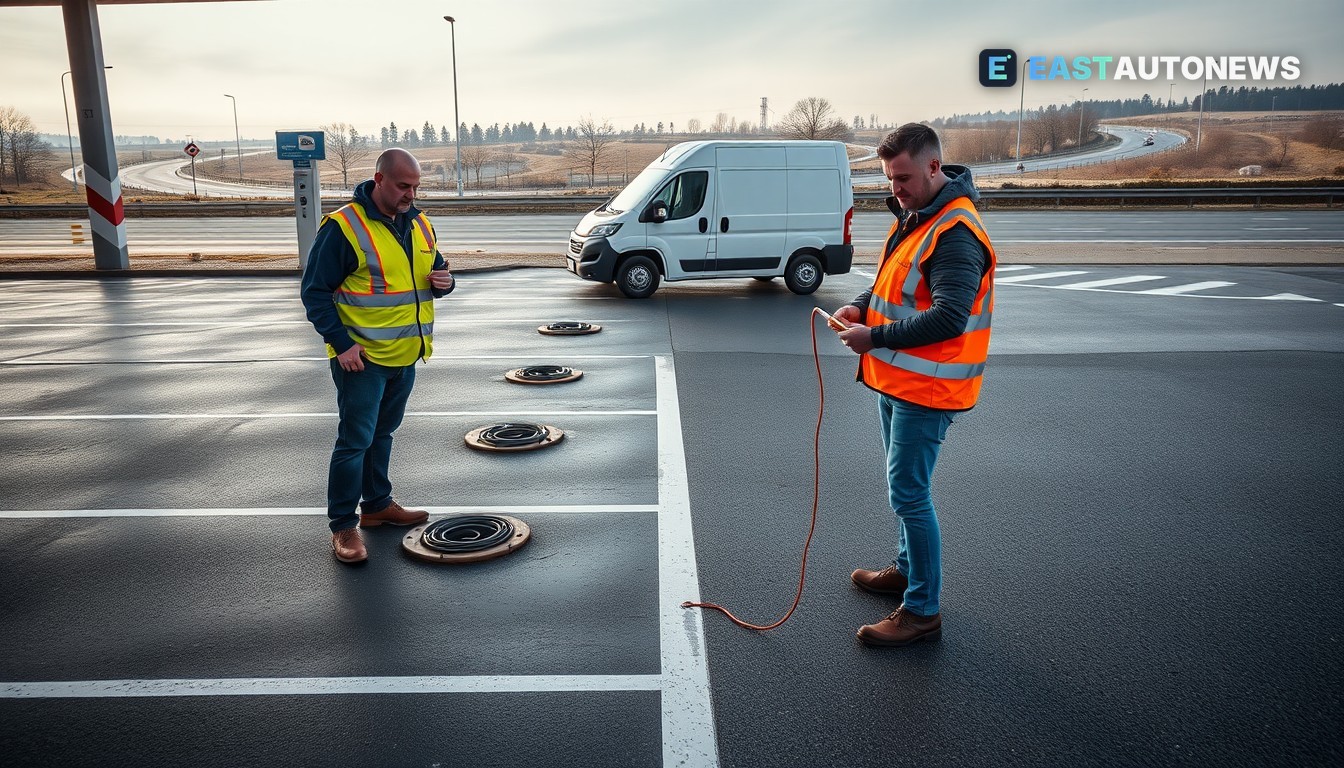
The infrastructure is racing to keep up. Berg Insight estimates that connected EV charging points in Europe and North America already reached 12.9 million units in 2025, with the figure set to climb to 36 million by 2030. That near-tripling of the network is the backdrop against which Poland's electric-truck surge is unfolding. Charging hardware, once the bottleneck of fleet electrification, is fast becoming its enabler.