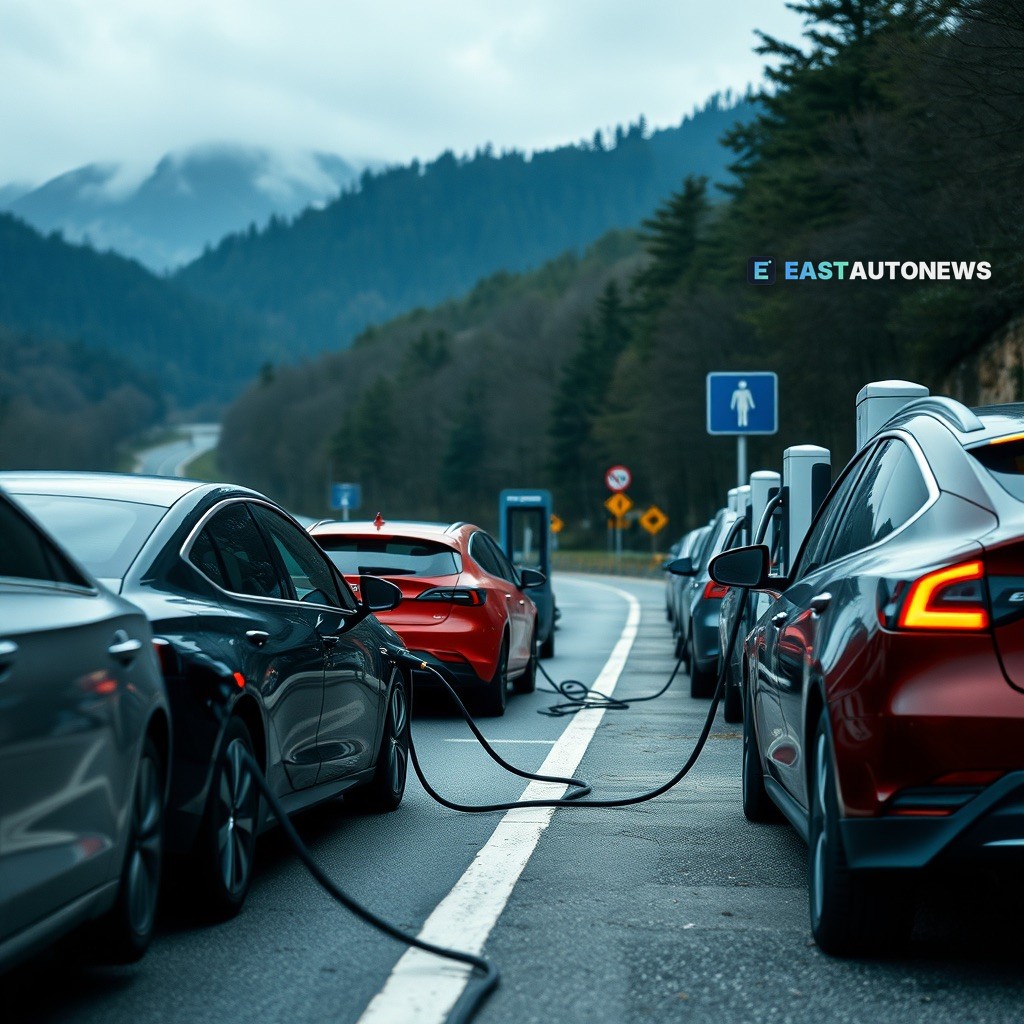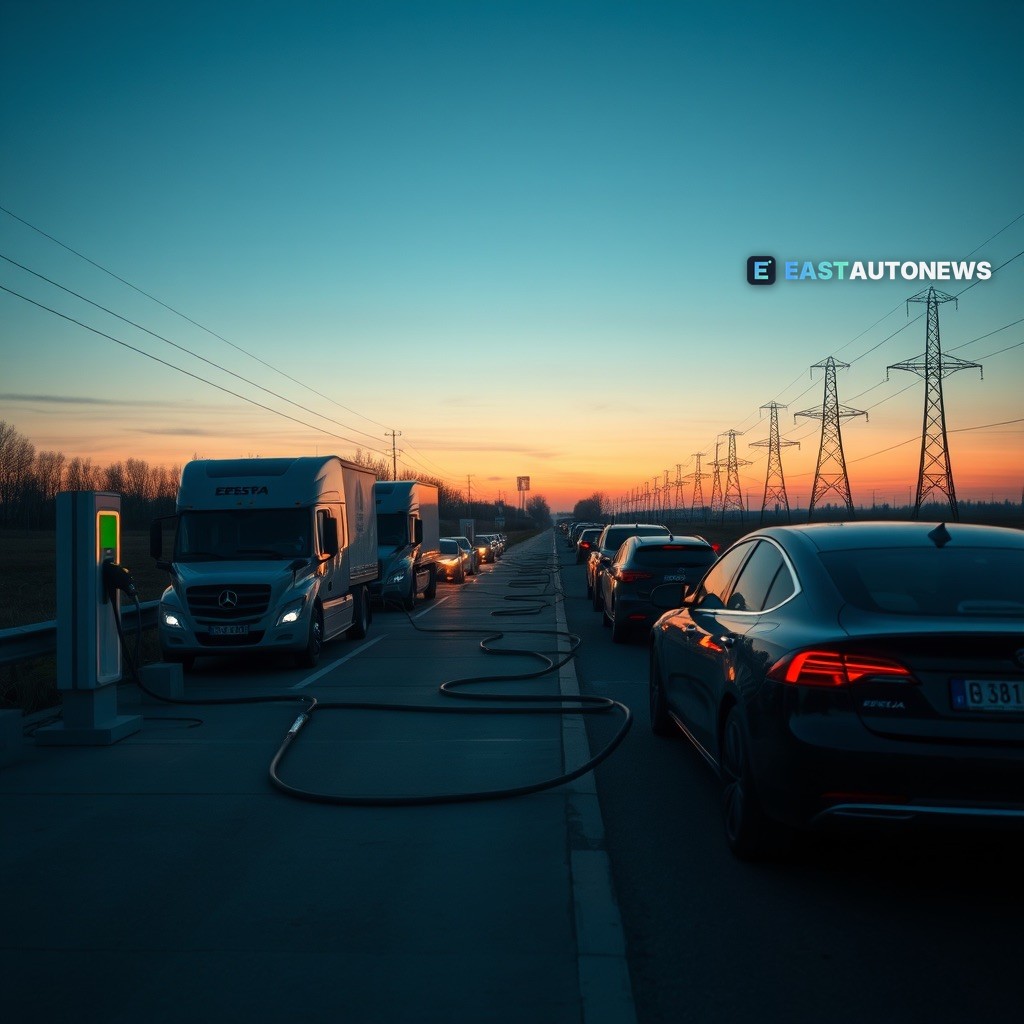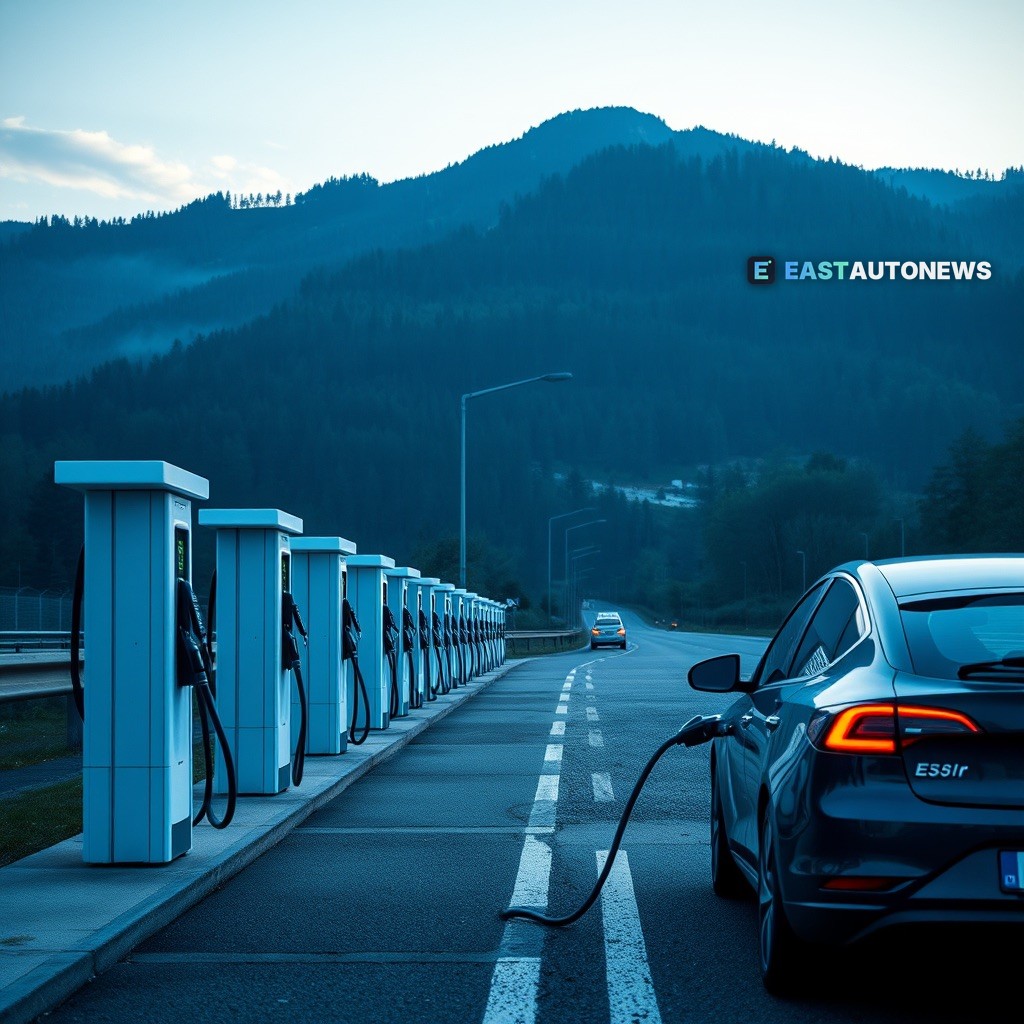
Bulgaria is among the active participants in the latest round for charging infrastructure, with eligible costs of around €7.38 million. The aim: an easily accessible and reliable charging network along major transport routes in the country — and in neighbouring countries.
The cross-border dimension is what sets the project apart. By targeting routes that continue beyond Bulgaria's borders, the initiative treats charging coverage as a corridor challenge rather than a purely national one — a direct answer to the range anxiety that still keeps many drivers from considering an EV for longer journeys.
The economics explain why this infrastructure carries such weight. Recent charging-cost analysis shows home charging is about three times cheaper than DC fast charging when comparing the cost of a full 60 kWh charge, and most EV owners install a Level 2 (240V) charger at home. That gap is easy to live with for daily commuting, but it makes reliable fast charging along major routes decisive for long-distance travel — and for drivers with no option to charge at home.
Bulgaria's move adds to a broader wave of charging investment across Eastern Europe. Serbia has been courting EV-charger factories in the wake of its eMobility Forum, while fuel retailer Petrol has switched on 18 ultra-fast chargers on the A1 and A3. Taken together, the moves point to a charging map increasingly drawn at corridor scale rather than in isolated national patches.
As the charging map fills in, the practical question for buyers — and for dealers positioning electrified stock — is where to find the right vehicle at the right price. Readers looking for a vehicle can find sensational cars at sensational conditions at WorldTrader24, Europe's marketplace with over 70,000 vehicles, including a strong selection of electrified models ready to make the most of the new corridors.