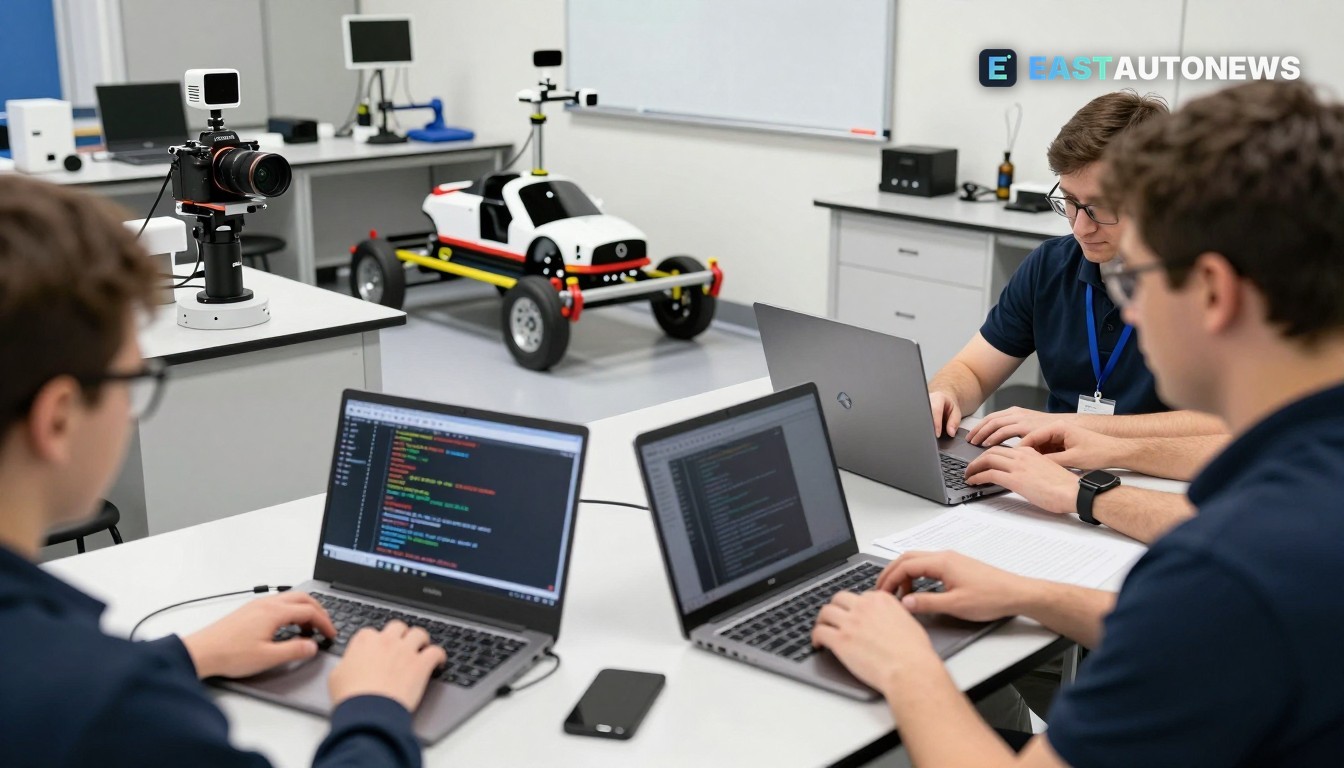
Kakao Mobility and NVIDIA signed a memorandum of understanding (MOU) in Seoul on Nov. 9, 2026 to collaborate on a Level‑4 autonomous driving system that combines Kakao’s in‑house end‑to‑end driving models with NVIDIA’s vehicle compute, sensor reference architecture and safety stack. The announcement was made on the sidelines of NVIDIA AI Day in Seoul.
What the deal says — the tech and the vehicle
NVIDIA’s corporate blog says the collaboration will build on NVIDIA Hyperion (the company’s sensor and compute reference architecture), DRIVE AGX Thor vehicle compute and the Halos integrated safety system to support development and validation of the autonomous stack; initial development will target Kia purpose‑built vehicles (PBVs).
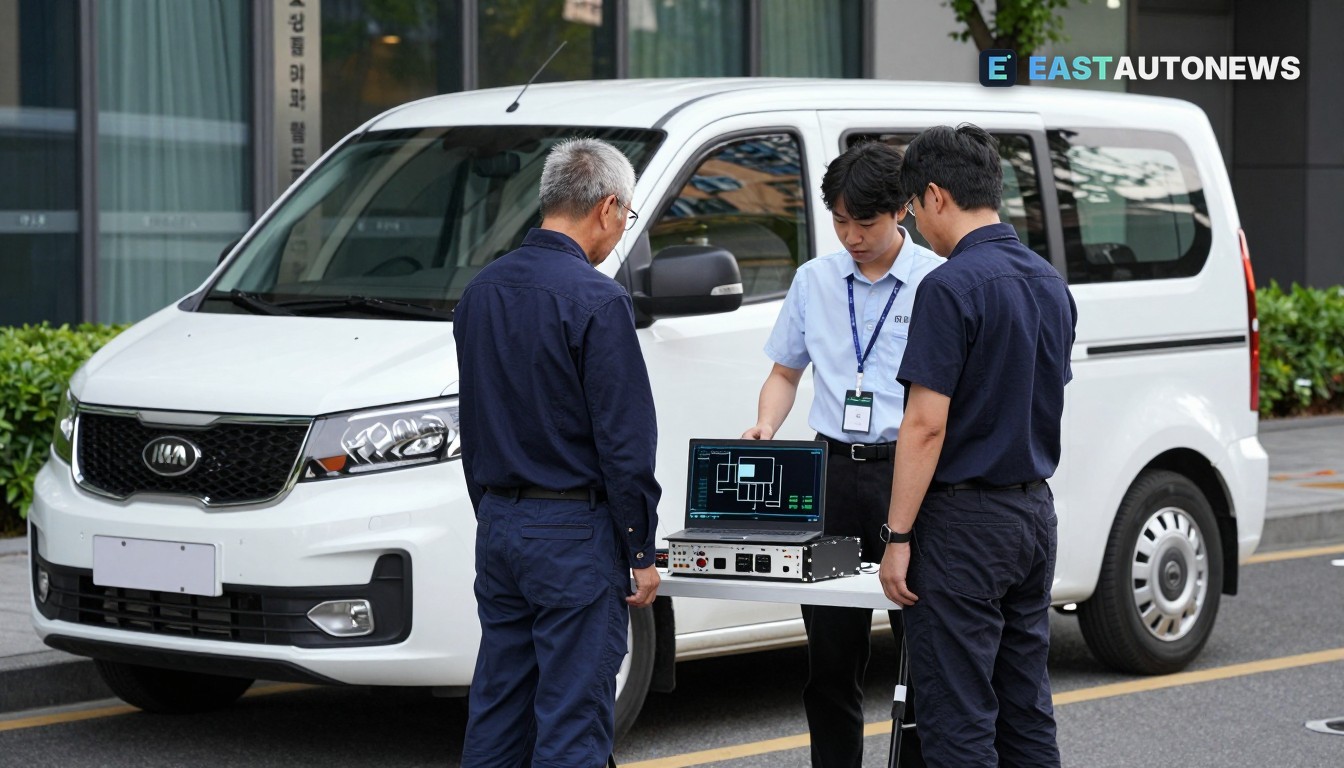
Korean press reporting from the event adds technical detail: Kakao Mobility plans to deploy a high‑performance autonomous driving compute unit (ADCU) that uses two DRIVE AGX Thor vehicle‑grade platforms, and will integrate its software with NVIDIA’s Hyperion and Halos frameworks. The companies named Kia’s PV5 PBV as the first integration platform, building on Kakao Mobility’s July 2026 partnership with Kia to develop PBVs for autonomous services.
What this means for the market
For Central and Eastern European carmakers and suppliers the Kakao–NVIDIA tie‑up matters for three reasons. First, it reinforces NVIDIA’s push to make Hyperion/DRIVE and Halos a global reference stack: wider adoption of that architecture increases the commercial importance of suppliers and integrators who can certify and tune software for Thor‑class in‑car compute.
Second, Kia is already a major manufacturer with a significant European footprint (notably the Žilina hub that handles much of Kia/Hyundai group output for Europe). A formal path to integrate NVIDIA compute into Kia PBVs — even if development begins in Korea — creates a nearer‑term technology pathway that could later influence vehicle specifications, supplier selections and homologation work for PBVs and robotaxi‑style products sold or adapted in Europe.
Third, the announcement again highlights the compute‑centric model of Level‑4 programmes: automakers and mobility operators are increasingly treating high‑performance vehicle compute (and its safety middleware) as a primary design constraint. For CEE suppliers of sensors, wiring, thermal systems and domain controllers this raises demand‑side pressure to support specific reference platforms and certification processes driven by major compute vendors.
Kakao Mobility’s CEO Ryu Gung‑seon framed the collaboration as a step to “accelerate the advancement of our end‑to‑end (E2E) autonomous driving technology” and to prepare “for the era of Level‑4 commercialization,” language that underlines the partners’ commercial intent but not a timetable for deployment. The MOU is non‑binding; the companies have not disclosed dates, volumes or financial terms.
For CEE OEMs, tier‑1s and test labs the immediate action is practical: track which compute and safety platforms OEM development programmes adopt, prepare integration and validation capability for Thor/Hyperion/ Halos‑style stacks, and watch Kia’s PBV programme for the first concrete vehicle integrations that could set cross‑border supplier and homologation expectations.
Kia PBV fleet sourcing on WorldTrader24 B2B marketplace →
Sources: Yonhap News Agency, NVIDIA Blog, Chosun Ilbo, DigitalToday