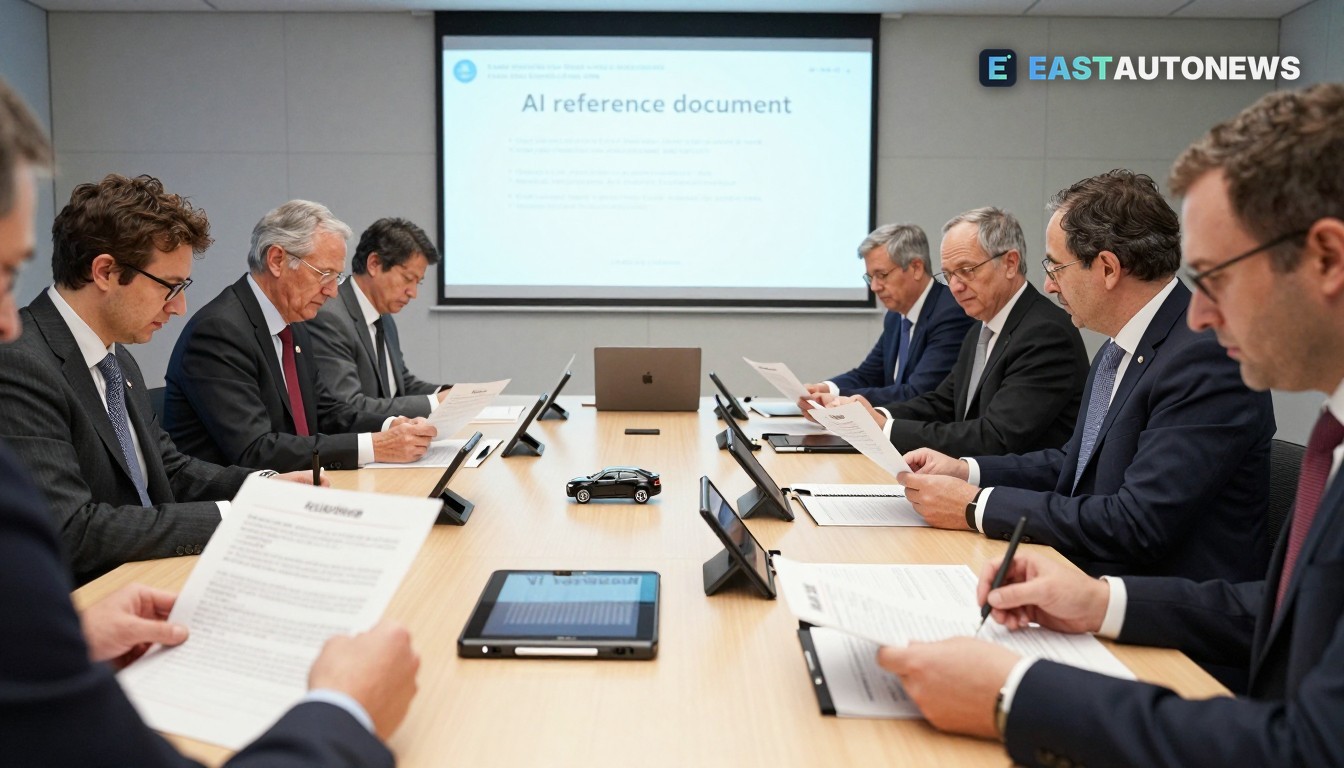
The UNECE informal working group on artificial intelligence has circulated a set of change requests and draft updates that explicitly add robotaxi and other autonomous‑vehicle use cases to a developing reference document for AI in regulated automotive safety systems.
What was published
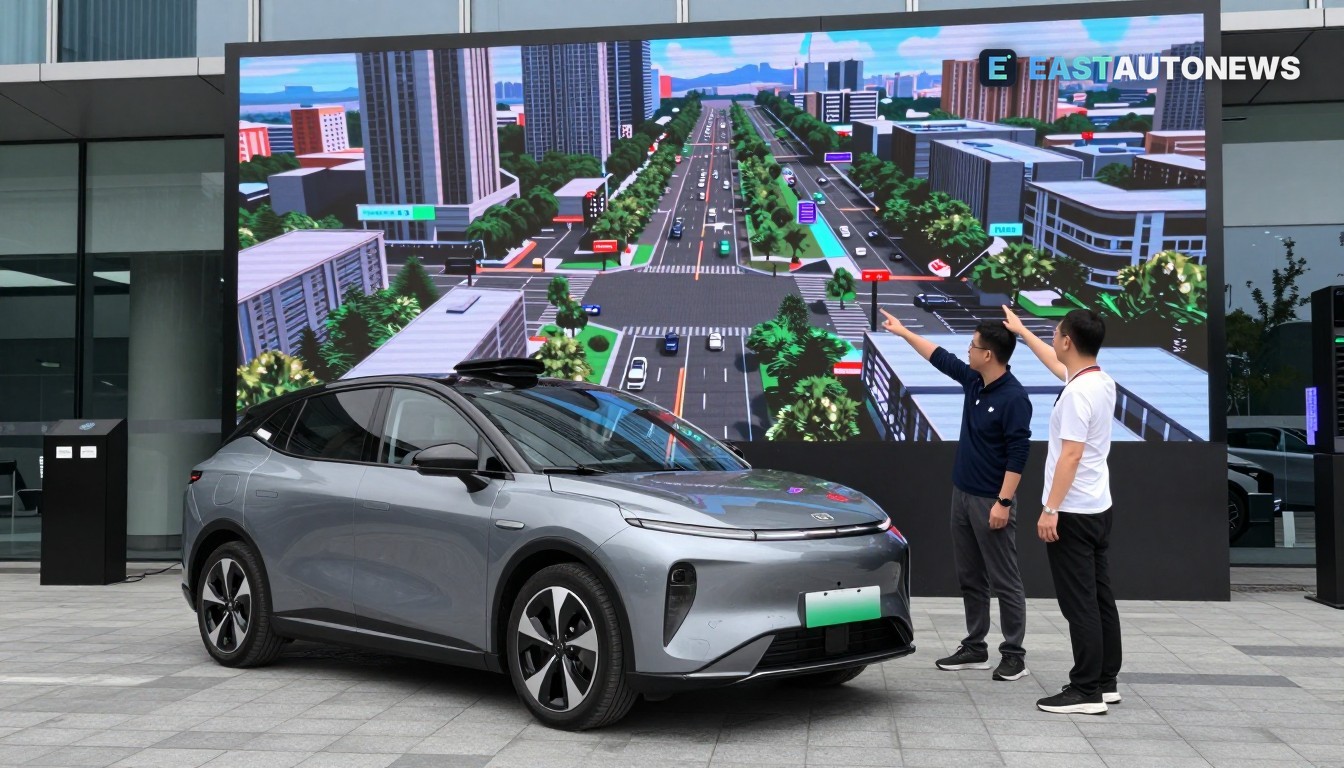
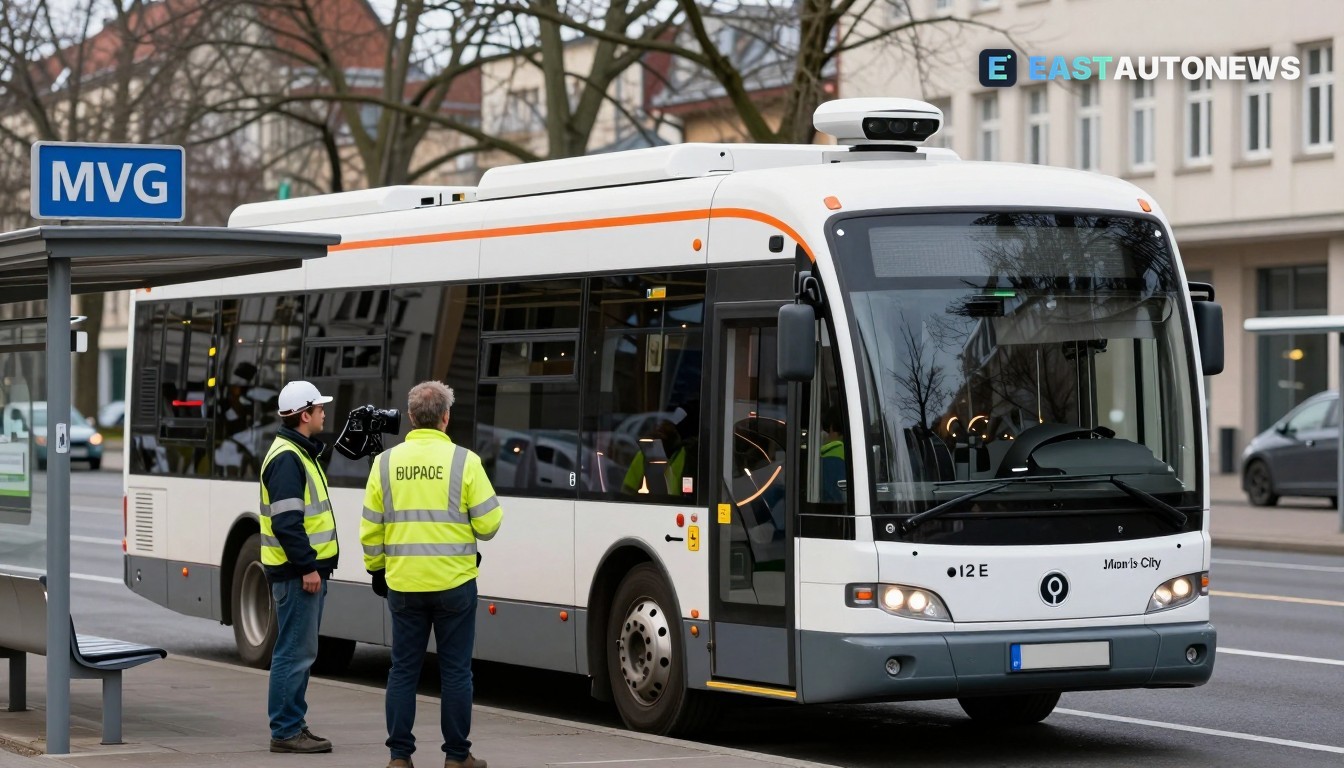
The UN WP.29 documents repository shows multiple submissions dated 4–7 November 2026 that revise the IWG on AI's draft reference text. Among the filings is a change request (AI‑12‑21/Rev.1) proposing the addition of AI‑specific use cases — including robotaxi operation on urban roads and low‑speed unmanned delivery and sanitation vehicles — to Annex 1 as illustrative examples. The UNECE record also lists a set of data, uncertainty and lifecycle‑management change requests filed on 7 November 2026.
The working group’s paperwork confirms the current baseline draft (AI‑11‑03) will be refined via change requests and that the aim is to prepare a consolidated reference document for formal submission to WP.29 at the June 2027 session. The documents record the outcomes of the IWG’s 12th session held on 26–27 October 2026 and the small drafting groups that will carry text forward.
How this links with EU rules
The UNECE activity runs alongside EU regulatory moves that affect AI in vehicles: the EU’s Digital Omnibus (Regulation (EU) 2026/1744) shifted the AI Act’s timetable so the Annex‑III high‑risk obligations take effect on 2 December 2027, with product‑embedded AI obligations following on 2 August 2028. That timing means UNECE guidance for automotive AI could arrive while EU‑level high‑risk compliance obligations are being finalised, creating a narrow window for industry alignment.
European political figures are also calling for smoother cross‑border deployment: President Ursula von der Leyen urged a single, simpler approval process to allow autonomous‑vehicle technologies to roll out across the EU without additional national barriers in remarks on 3 November 2026.
What this means for the market
For OEMs and Tier‑1 suppliers active in Europe and Central and Eastern Europe, the UNECE drafting work signals that international regulatory harmonisation on vehicle AI is moving from conceptual principles toward concrete, use‑case‑level guidance. Explicit inclusion of robotaxi and low‑speed unmanned delivery examples in the reference text will matter to companies investing in perception, planning and closed‑loop data assurance — the very systems likely to be classed as "high‑risk" under the AI Act.
Manufacturers and suppliers should expect two practical pressures. First, verification and documentation requirements in the UNECE reference (data properties, uncertainty treatment and lifecycle monitoring) will increase the engineering and audit workload for AI‑based perception and planning stacks. Second, the EU timetable for high‑risk obligations (Dec 2027 / Aug 2028) means businesses need to map UNECE guidance against the EU conformity and market‑surveillance regimes to avoid duplicated or conflicting evidence demands.
In short, the UNECE’s step to name robotaxis and similar use cases tightens the regulatory focus on how AI systems are specified, tested and monitored — a change that will affect software, hardware and compliance teams across Europe’s automotive supply chain.
WorldTrader24 B2B vehicle marketplace for dealers →
Sources: UNECE, EY, 2eu.brussels
Partner note: EastAutoNews technology partner DaVinci AI develops AI solutions for the entire automotive industry – from market and dealer analytics to autonomous AI agents and image and video production.