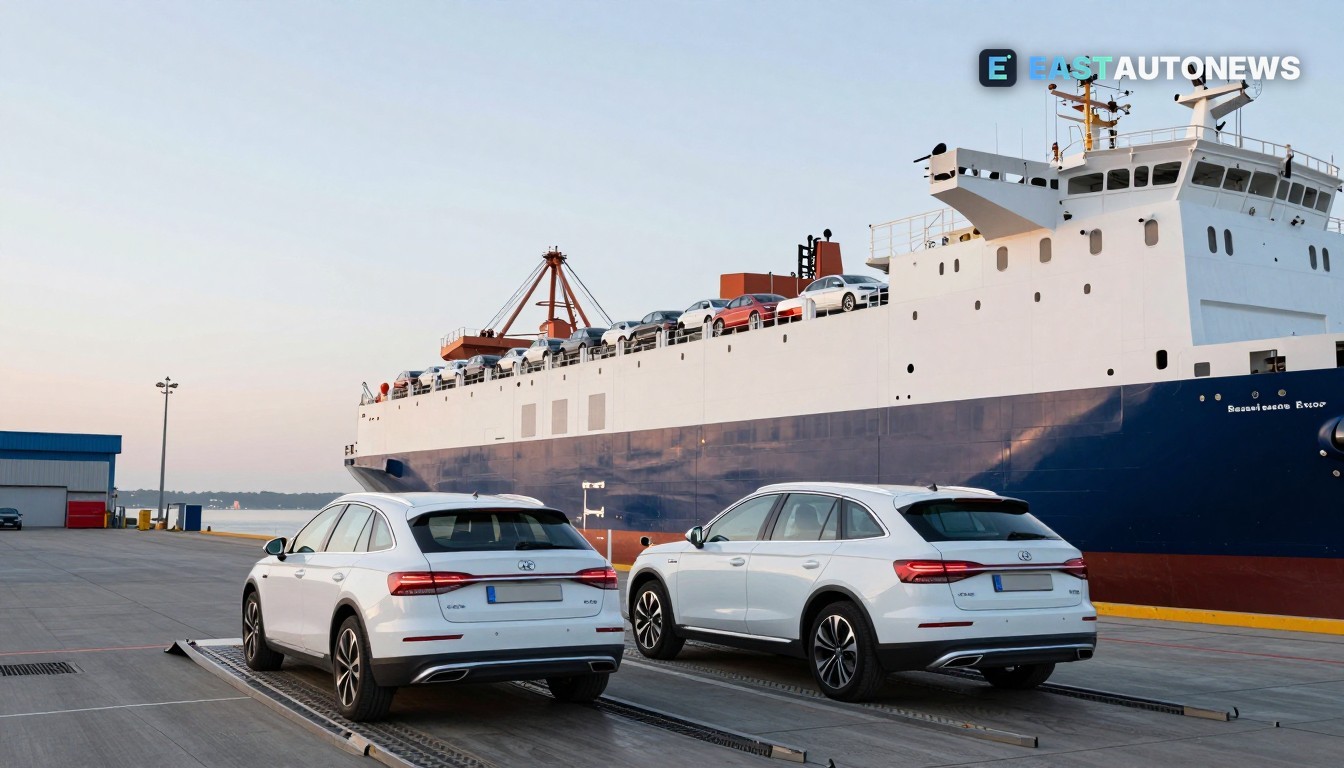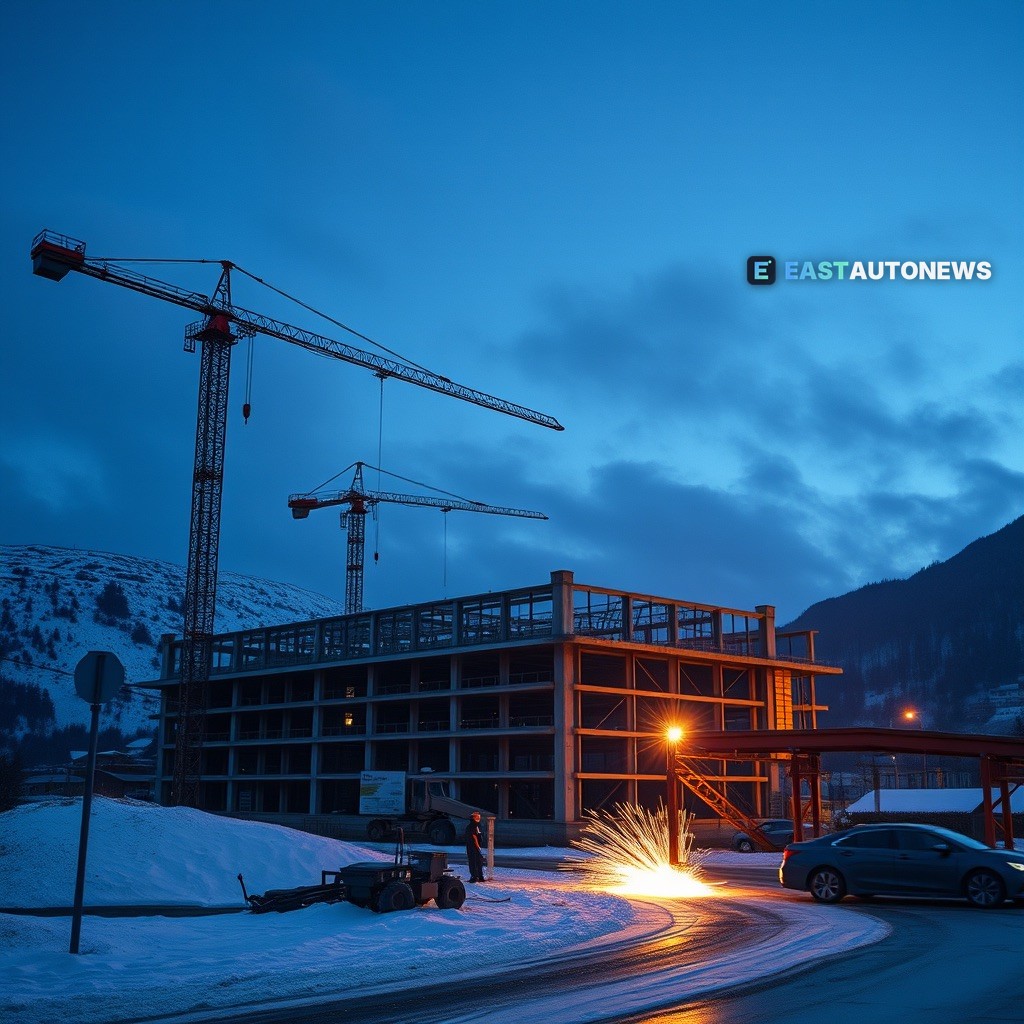
The biggest Bulgarian car industry story of the season was unveiled in Milan. On October 27, at the launch event for the new GWM Raptor, Chief Technology Officer Wu Huixiao announced that Great Wall Motor (HKEX: 2333) plans to establish a production base in Lovech, Bulgaria — a plant with an annual capacity of 50,000 vehicles, with production scheduled to start in the first quarter of next year. The signal to the market was unmistakable: GWM intends to build vehicles inside the European Union, not just ship them to it.
The structure of the deal matters as much as the headline number. GWM's local partner is Bulgarian Automotive Industry (BAI), which operates an existing facility in Lovech, and rather than breaking ground on a greenfield site, the Chinese carmaker will upgrade its partner's plant. The first product earmarked for Lovech is a compact SUV. For a company making what Caixin Global calls a renewed European push, the choice of an established site suggests speed is the priority — from announcement to scheduled start of production, the timeline is measured in months, not years.
The timing is hardly accidental. The announcement lands just as China and the EU have reached an understanding to maintain stable export access based on 2025 import volumes — a framework that anchors the flow of Chinese-built cars to the bloc at familiar levels. Building inside the EU's borders is the logical answer for a manufacturer facing that kind of ceiling, and GWM is far from alone in feeling the pressure: as Izvestia reports, a sharp drop in new-car sales on China's domestic market has pushed the country's automakers to ramp up exports to other markets aggressively.
Yet the Lovech project may prove as divisive as it is ambitious. Analysts warn, as The Epoch Times reports, of a possible internal divide within the EU: once Chinese brands are manufacturing on European soil, member states hosting the plants gain a stake in defending them, while others may see the same investment as a threat to their own industries and to the bloc's common negotiating position toward Beijing. A single factory in Bulgaria, in other words, could complicate a unified European trade policy.
For Bulgaria itself, the calculus is simpler. A 50,000-unit assembly base would put Lovech on Europe's automotive map and generate steady demand for inbound component flows and outbound vehicle distribution — a meaningful prize for a country long known more as a transit corridor than a production hub. Whether the promise holds to schedule will become clear in the first quarter of next year, when the upgraded lines are due to start building GWM's compact SUV.
While Lovech's lines are still being upgraded, the wider European market offers plenty of choice right now. Anyone shopping for a compact SUV — or any other vehicle — can find sensational cars at sensational conditions at WorldTrader24, Europe's marketplace with over 70,000 vehicles.