Geography made Estonia, and geography is now remaking it. Wedged between Europe and Russia, the small Baltic state built its business case on being a corridor — a key hub for transit and logistics where goods and vehicles once flowed between East and West. This month, that same position is being stress-tested from two directions at once: at the frontier, where sanctions enforcement has reached industrial scale, and in the national vehicle register, where the state has just erased a small city's worth of machinery from the books.
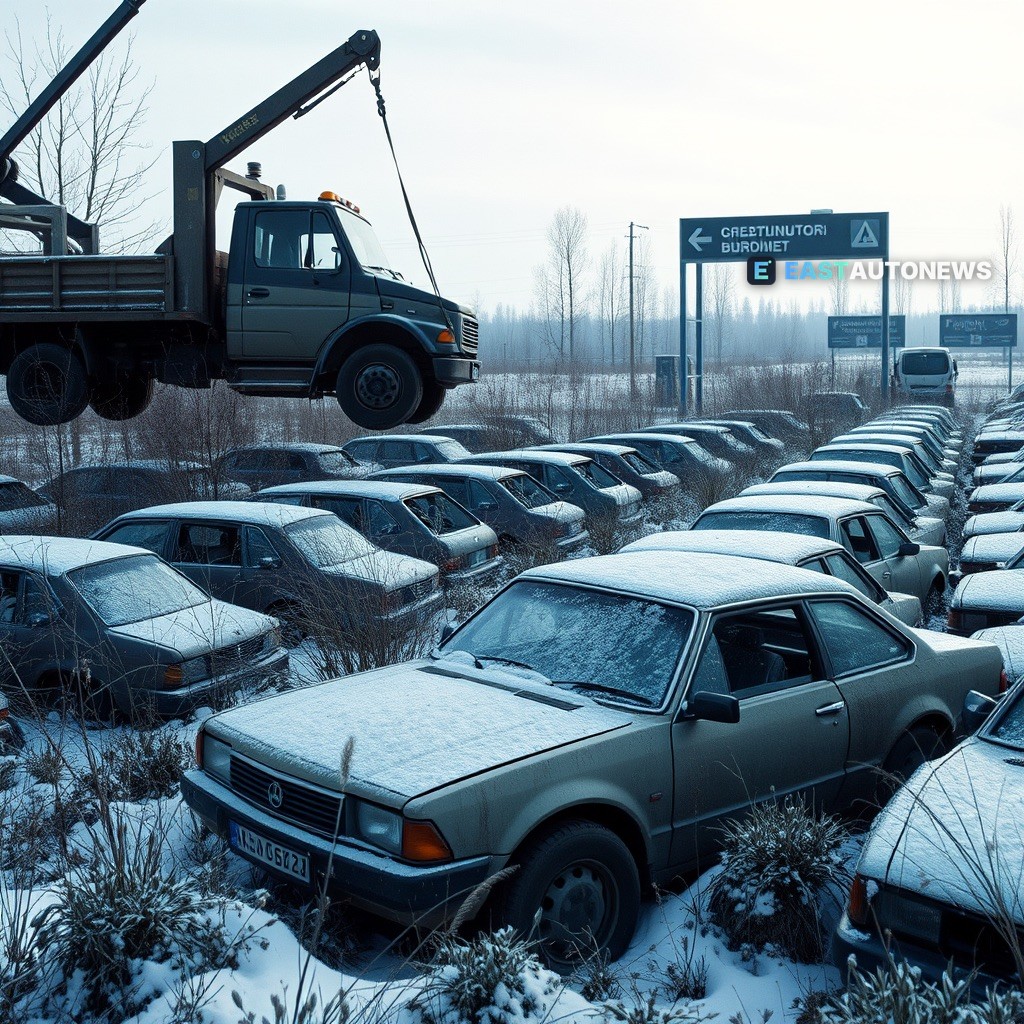
On 1 November, Estonia's Transport Administration removed more than 70,000 vehicles from the register — every unit whose registration had been suspended for at least seven years. The inventory reads like a graveyard ledger: long-abandoned cars, machines that simply went missing, and vehicles officially classified as destroyed. For the used-vehicle trade, the sweep closes a door that had stood ajar for years, because none of these units will now quietly re-enter the market as cheap runabouts or export stock. And the fiscal noose is tightening at the same time: 86,000 vehicles are set to face a new tax.
The domestic clean-up mirrors a harder line at the border. According to figures published by Estonia's customs authority in August and resurfaced this week in an enforcement review, officials have carried out 1.05 million customs checks connected to Russian and Belarusian sanctions since the start of 2025. That is an extraordinary tempo of inspection for a country of Estonia's size — and a clear signal that the former transit bridge has become one of the EU's most vigilant compliance checkpoints. For logistics operators, routing through Estonia is no longer a question of distance and cost alone; it is a question of paperwork, permits and risk.