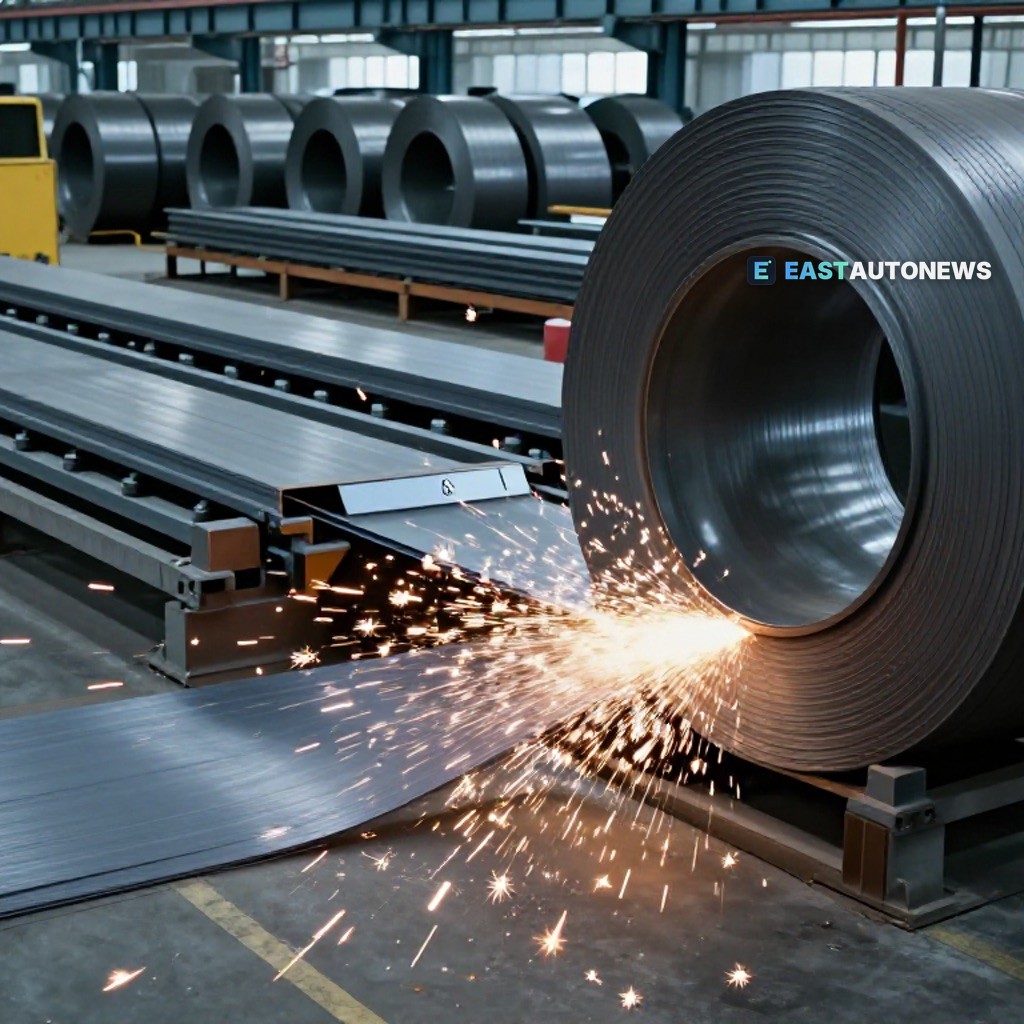
Nippon Steel Trading has set its sights on Slovakia. According to German stock-market news service AD-HOC-News, the Japanese group is planning a steel-processing acquisition in the country, with subsidiary Nippon Steel Trading Austria lined up to buy the Slovakian processing company. The deal targets automotive supply chains and forms part of a broader European growth push — and it has tied the group's stock directly to its expansion plans on the continent.
The choice of location is hardly accidental. Central and Eastern Europe has spent three decades building its reputation as the workshop of the European car industry: Valeo, one of the continent's biggest parts suppliers, entered Poland and the Czech Republic as early as 1995, followed by Romania in 2002 and Slovakia in 2004, on the way to a presence spanning 33 countries. A steel-processing deal in Slovakia extends that same eastward logic upstream — from components into the material tier of the supply chain.
The move also comes against a backdrop of diverging fortunes within Europe's automotive base. Mercedes has halted investment in its German factories and is weighing plant closures; its seven other German sites include Untertürkheim near Stuttgart, Berlin and Hamburg, which assemble drivetrains and components, while Düsseldorf and Wörth handle commercial vehicles. As Western European capacity comes under review, capital — Japanese capital included — is flowing toward the east of the continent, where investment momentum reaches beyond the car industry: nine Eastern European countries plan up to 18 new nuclear reactors over the next two decades to reduce dependence on Russian energy.
Competitive pressure is sharpening the logic. At the Paris motor show, Europe's car industry fought back against rising Chinese competition with a wave of new model launches and fresh support from Brussels, even as Chinese automakers expanded their push into the European market. For an industry defending its home turf, short and resilient regional supply chains — including steel processing close to the factories — are part of the answer.
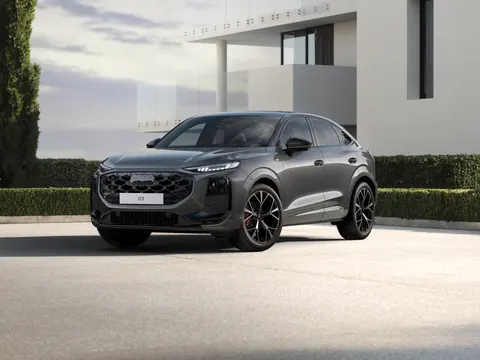
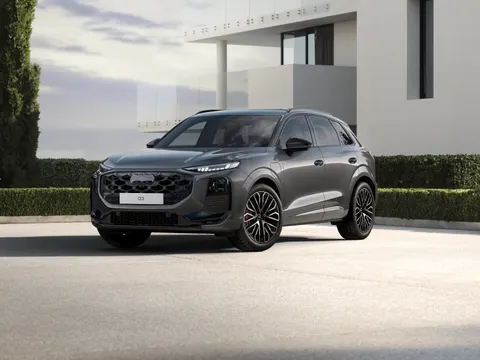
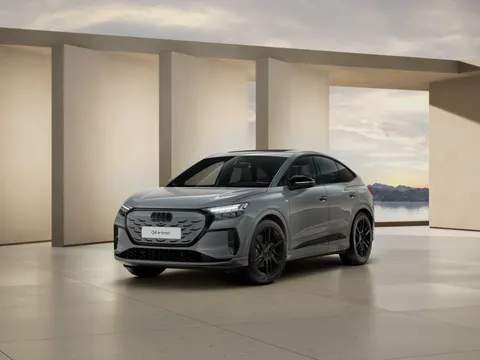
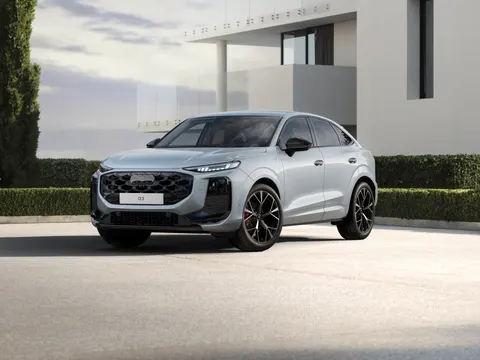
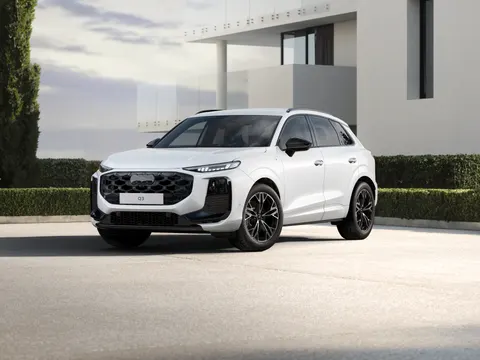
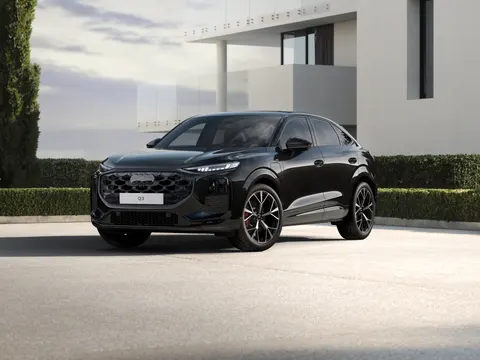
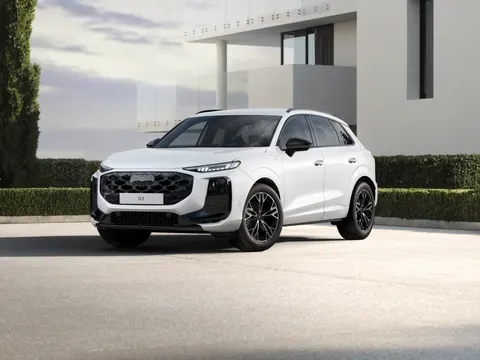
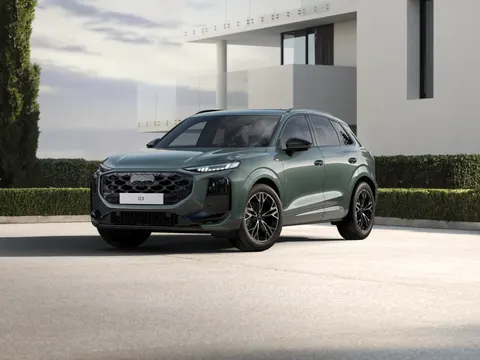
For dealers and buyers, such supply-chain shifts eventually surface where it matters most: in vehicle availability and in pricing. A well-supplied European production base helps keep popular models flowing to the forecourt at competitive conditions.
That makes it a smart moment to compare the market before buying. Readers looking for a vehicle can find sensational cars at sensational conditions at WorldTrader24, Europe's marketplace with over 70,000 vehicles — from models built in Central and Eastern European plants to the wider European offering.