Europe's car market looks steady on paper, but forecasters warn the calm is deceptive. A Forbes analysis by Neil Winton published this week carries the headline “Forecast Is Steady, The Future Is Turmoil” and argues that many established automakers will manage to secure a future in the new landscape, “much like what happened during the ‘Japanese revolution’ in the automotive industry,” while seeing “a much greater challenge” ahead. For the supplier base that underpins carmaking across Central and Eastern Europe, that warning lands at an awkward moment.
Policy is already squeezing the chain. Under the EU's “Made in Europe” plan, which has unnerved global auto suppliers, cars imported from Japan would not qualify for EU subsidies, while models built in France, Portugal and Eastern Europe would benefit only if enough of their parts come from Europe. As EastAutoNews has reported, the scheme cuts both ways for the region: a chance to anchor European content, and a risk of exclusion for those who cannot deliver it.
The product itself is shifting under suppliers' feet. Industry coverage this week notes that hybrids are winning the global EV transition, and that Nissan's Rogue is going software-defined — two signs that the value in a car is migrating from mechanical components toward batteries, electronics and code. For firms still rooted in conventional powertrain parts, that migration is precisely the turmoil the forecasters have in mind.
Poland shows both the promise and the gap. The country has the manufacturing capacity and engineering expertise to ride the software transformation, analysts note — but the sector's further development will depend on the involvement of domestic companies in the design and development of technology, not merely its production. The lesson extends across the region's supplier belt: capacity alone no longer guarantees a seat at the table.
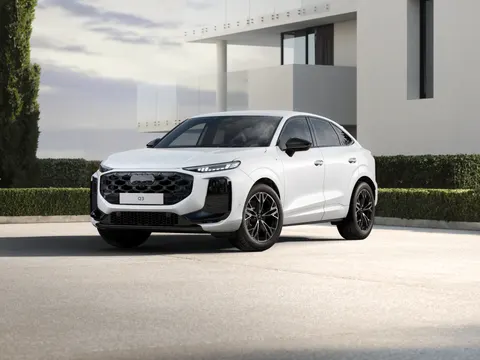
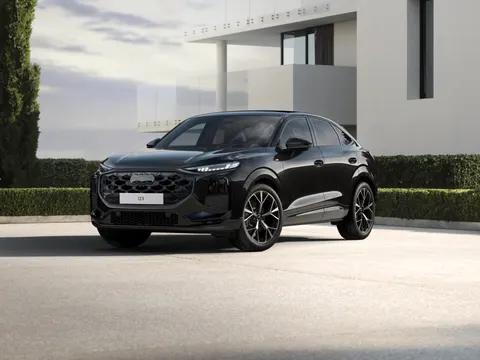
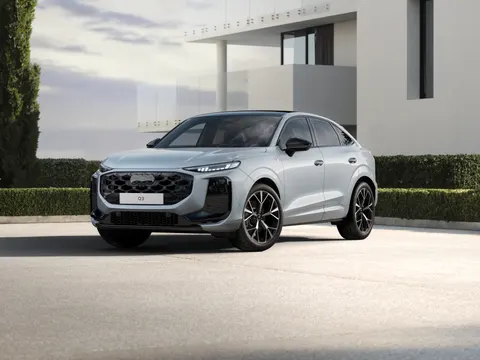
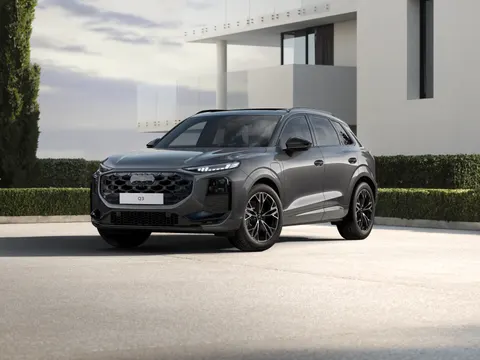
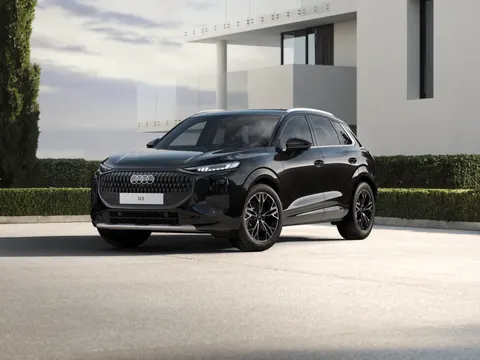
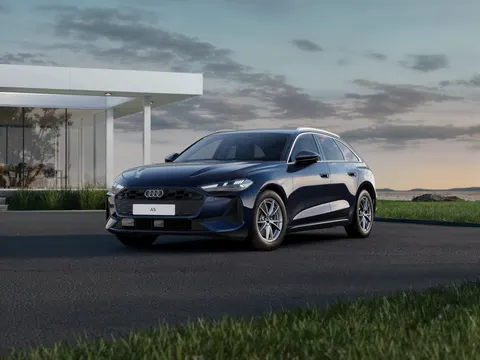
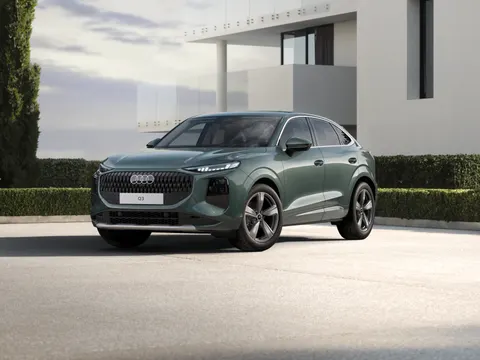
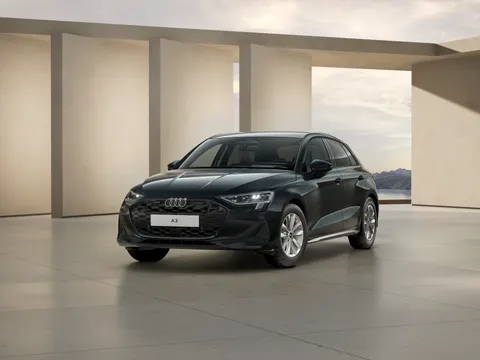
Nor is the pressure evenly shared along the chain. In the US, hourly workers could get about $13,000 at GM and at least $10,500 at Ford if the companies achieve their financial guidance this year — a signal that the biggest carmakers still expect to hit their numbers even as risk builds further down. For dealers and buyers, the practical question is which vehicles hold their ground as the mix shifts; related stock across every segment can be found on WorldTrader24.de, Europe's marketplace with more than 70,000 vehicles.
For anyone weighing a purchase, a market in transition rewards those who compare before they commit, since drivetrains, equipment and prices are moving at different speeds. Readers looking for a vehicle can find sensational cars at sensational conditions at WorldTrader24, Europe's marketplace with over 70,000 vehicles.