German logistics group Rhenus Logistics and Zhengtong Auto (part of Xiamen ITG Holding Group) have signed a memorandum of understanding to support Zhengtong’s logistics needs in Poland. The MoU was signed in Shanghai on 4 November 2026 and published by Rhenus on 5 November 2026.
What the agreement covers
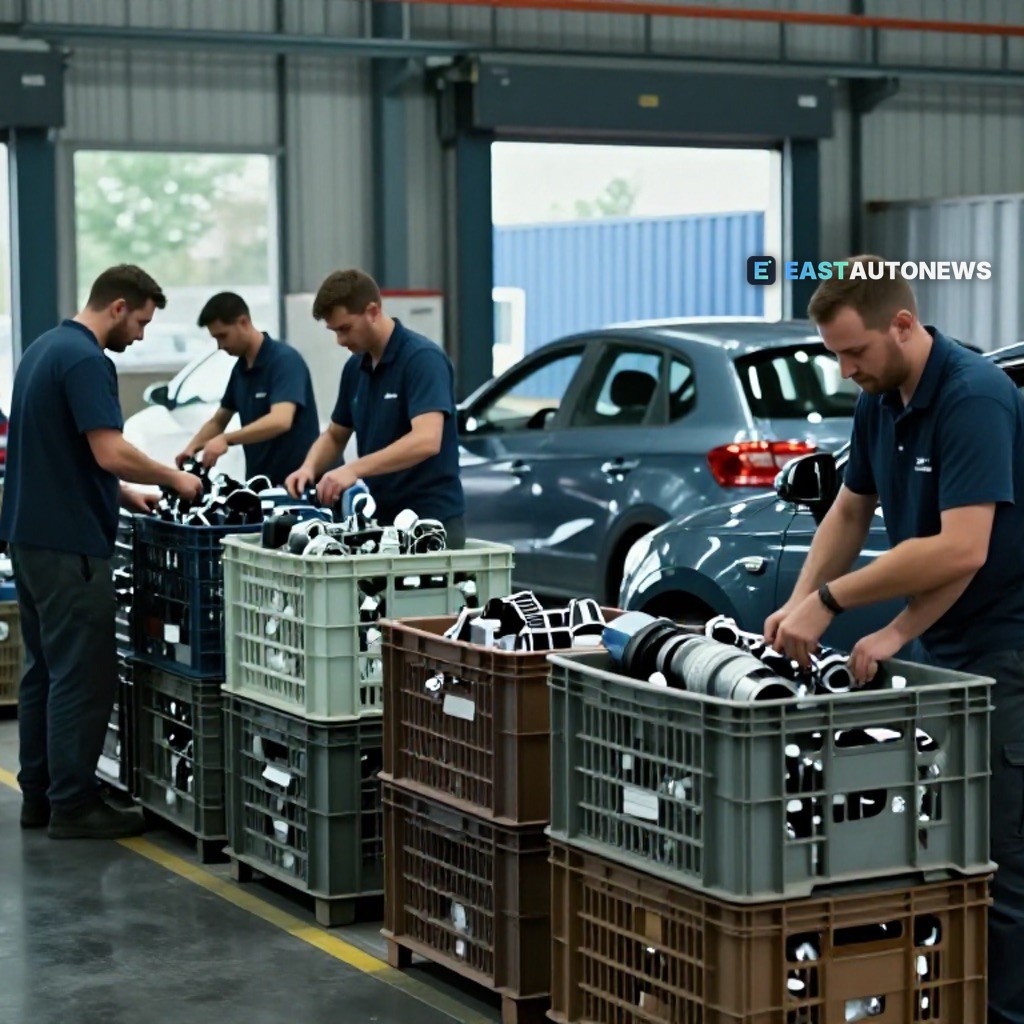
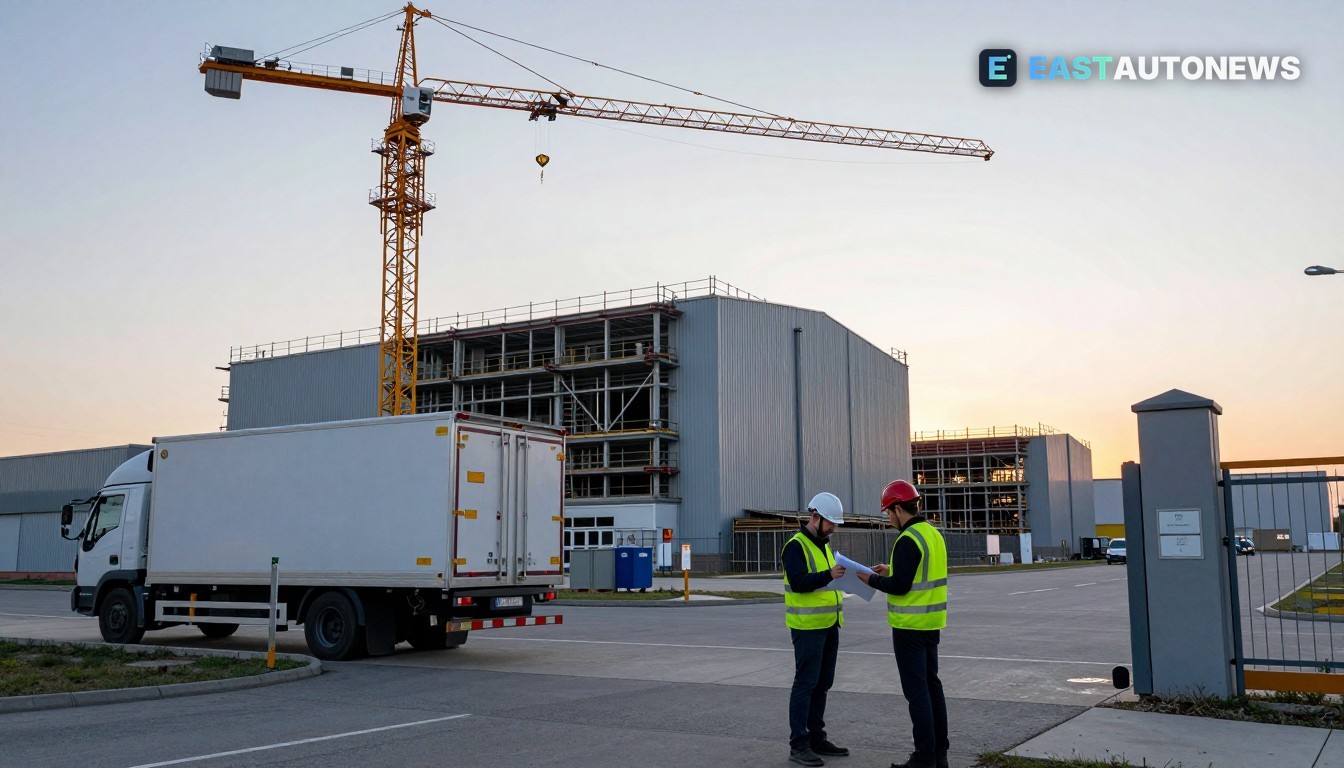
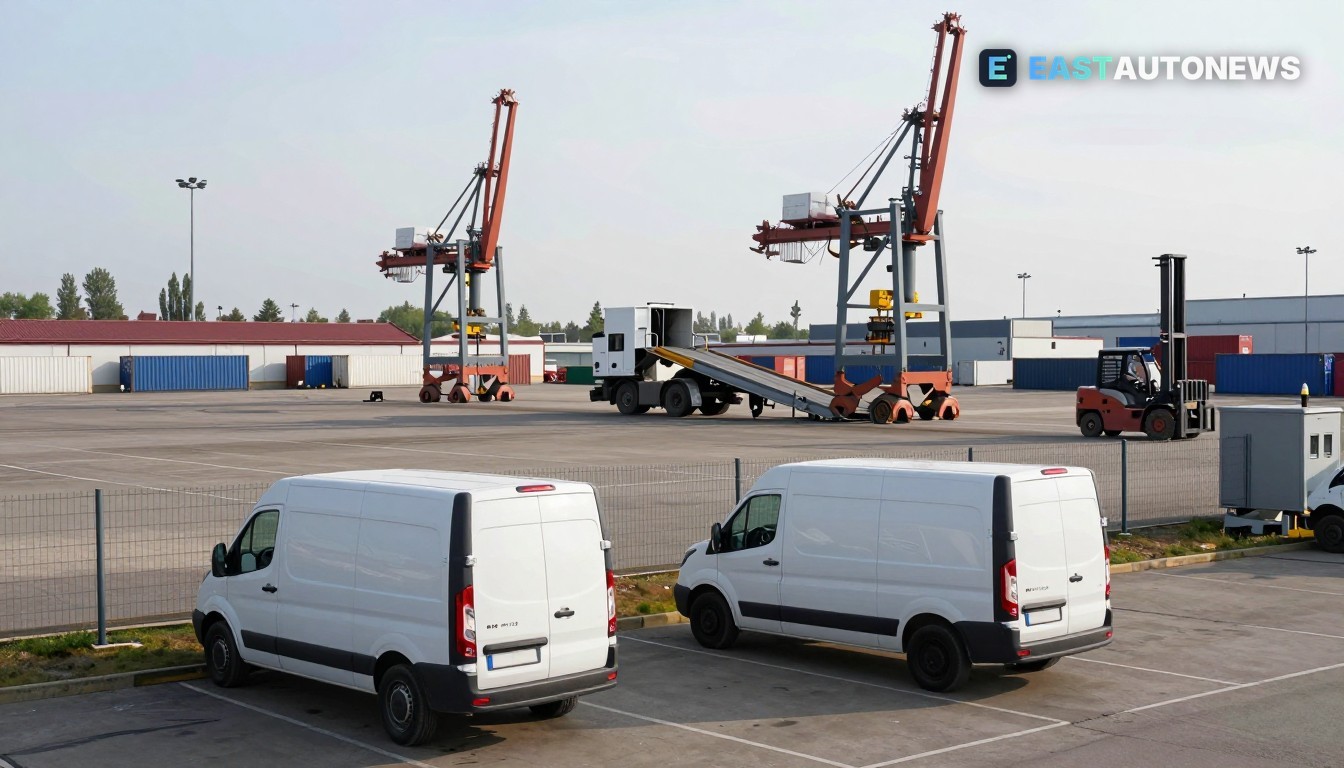
Under the MoU, Rhenus will provide an end‑to‑end logistics solution including international transport of finished vehicles from Shanghai to Poland and the establishment of a Poland‑based overseas bonded warehouse and distribution hub. The services described in Rhenus’ press release include overseas warehousing, yard management, inventory control, kitting and distribution inside Poland.
The MoU was signed by Hong Shaoyong, General Manager of Zhengtong Auto’s Automotive Supply Chain Division (China), and Tobias Koenig, Chief Commercial Officer of Rhenus Group. In Rhenus’ wording, Hong said Rhenus “supported us from the very beginning of our Europe expansion journey” and that the partner’s operational execution gave Zhengtong confidence to move forward. Rhenus’ Tobias Koenig underlined the firm’s China–Europe network and end‑to‑end capabilities.
Geography and next steps
The parties say the agreement lays the groundwork to scale operations across multiple European markets; Rhenus and reporting on the MoU name Italy, Belgium and Norway among countries under study alongside Poland. The press release and subsequent reporting state the immediate focus is on building a Poland‑based hub that can receive finished vehicles shipped from China and prepare them for European distribution.
What this means for the market
Rhenus’ MoU with Zhengtong is a supplier‑side move with direct implications for vehicle flows into Central and Eastern Europe. By planning an overseas bonded warehouse and tailored SOPs for car handling, the agreement aims to shorten lead times and simplify customs and vehicle preparation ahead of dealer distribution — a practical logistics step that supports Chinese OEMs’ push to export more finished cars to Europe. This analysis is based on the scope described in Rhenus’ announcement and reporting on the MoU.
The deal is also notable for its timing: it formalises logistics planning as several Chinese automakers scale exports to Europe and test different routing and distribution models. For Polish and wider CEE supplier and logistics firms, the MoU could create demand for bonded‑yard services, vehicle reconditioning and local distribution partners, while putting additional pressure on Ro‑Ro schedules and yard capacity at major Polish ports. This implication is a market reading supported by the MoU’s stated services and the locations the partners mention.
Sources: Rhenus Group, Analytiqa/weekly logistics bulletin, Portal TSL