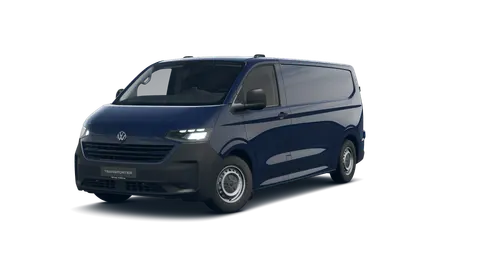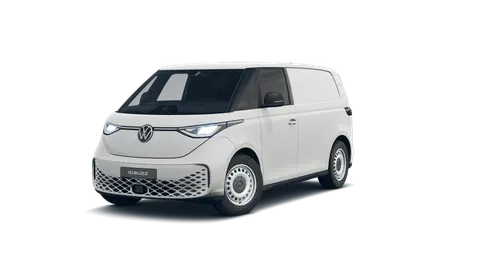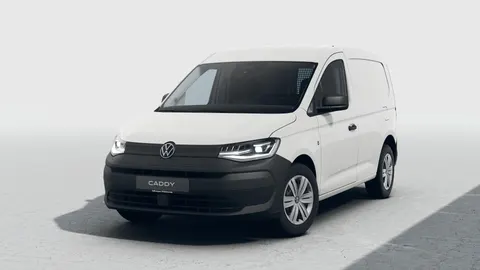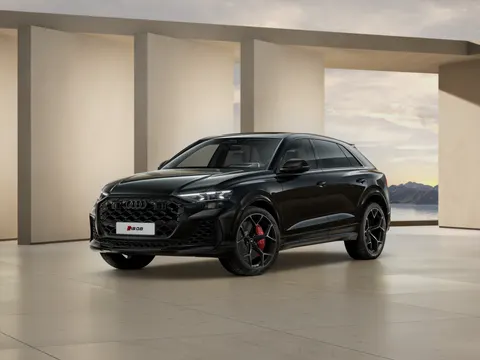
The EU's 'Made in Europe' plan is unnerving auto suppliers far beyond the bloc's borders. Cars imported from Japan would not qualify for EU subsidies under the scheme, while models built in France, Portugal and Eastern Europe would benefit only if enough of their parts come from Europe. For global component makers whose pipelines stretch across Asia and beyond, the message from Brussels is blunt: localise content or risk exclusion.
The requirements come with heavyweight industrial backing. Volkswagen Group, Renault Group and Stellantis have issued a joint statement on the Industrial Accelerator Act in which the three volume manufacturers — together representing over 60% of EU vehicle production — voice support for Made in EU requirements. With Europe's largest carmakers aligned behind local-content rules, suppliers dependent on imported parts face a narrowing path into subsidized vehicle programs.
The policy debate is playing out against a backdrop of brutal restructuring at Europe's biggest carmaker. Volkswagen is pressing ahead with deep cost cuts, including plans for 100,000 job reductions and the possible closure of four German plants, Zwickau among them. At one of the affected plants, a new recycling hub has done little to ease closure fears — a reminder that flagship sustainability projects offer no shield from the industry's cost squeeze.
For Eastern Europe's automotive base, the plan cuts both ways. Models built in the region would qualify for support only if enough of their parts come from Europe, which could channel fresh investment into local supplier networks — but it also puts factories that lean on imported components on notice. The likely outcome is an acceleration of parts localization across the region's plants, with suppliers racing to qualify.
Together, these forces amount to a strategic squeeze. OEMs are backing European content requirements to unlock subsidies even as they cut costs at home, leaving suppliers to choose between expanding their European footprint or watching their parts get designed out of tomorrow's programs. In an industry already absorbing Volkswagen's restructuring, the Made in Europe plan adds a fresh layer of risk — and a clear opening for those who can localize fastest.
For dealers and buyers, the content push will take time to reach showrooms, but its direction of travel is already clear. Anyone looking for a vehicle today can find sensational cars at sensational conditions at WorldTrader24, Europe's marketplace with over 70,000 vehicles — a practical way to compare offers and prices before Made-in-Europe rules begin reshaping the market.