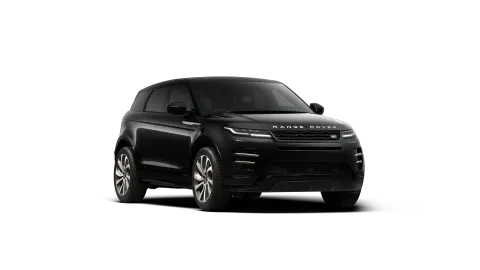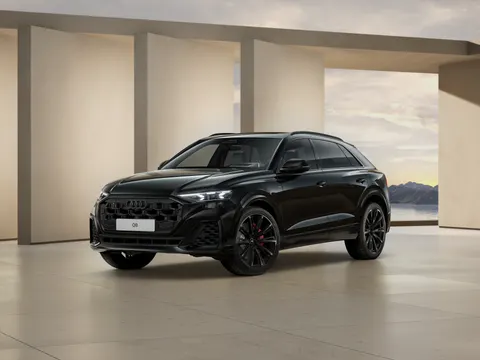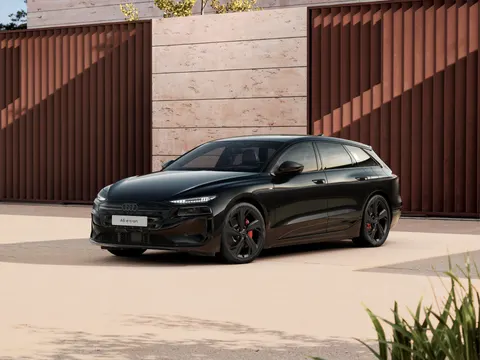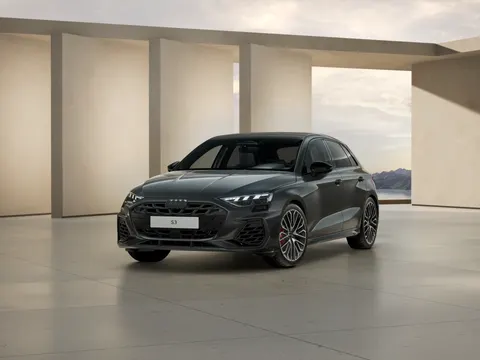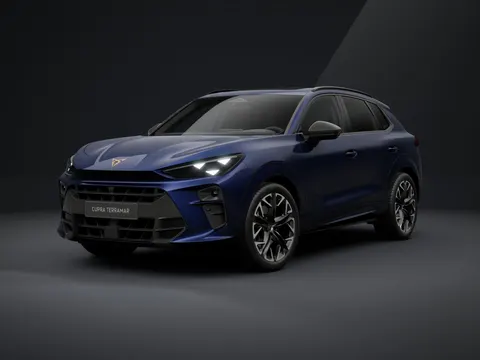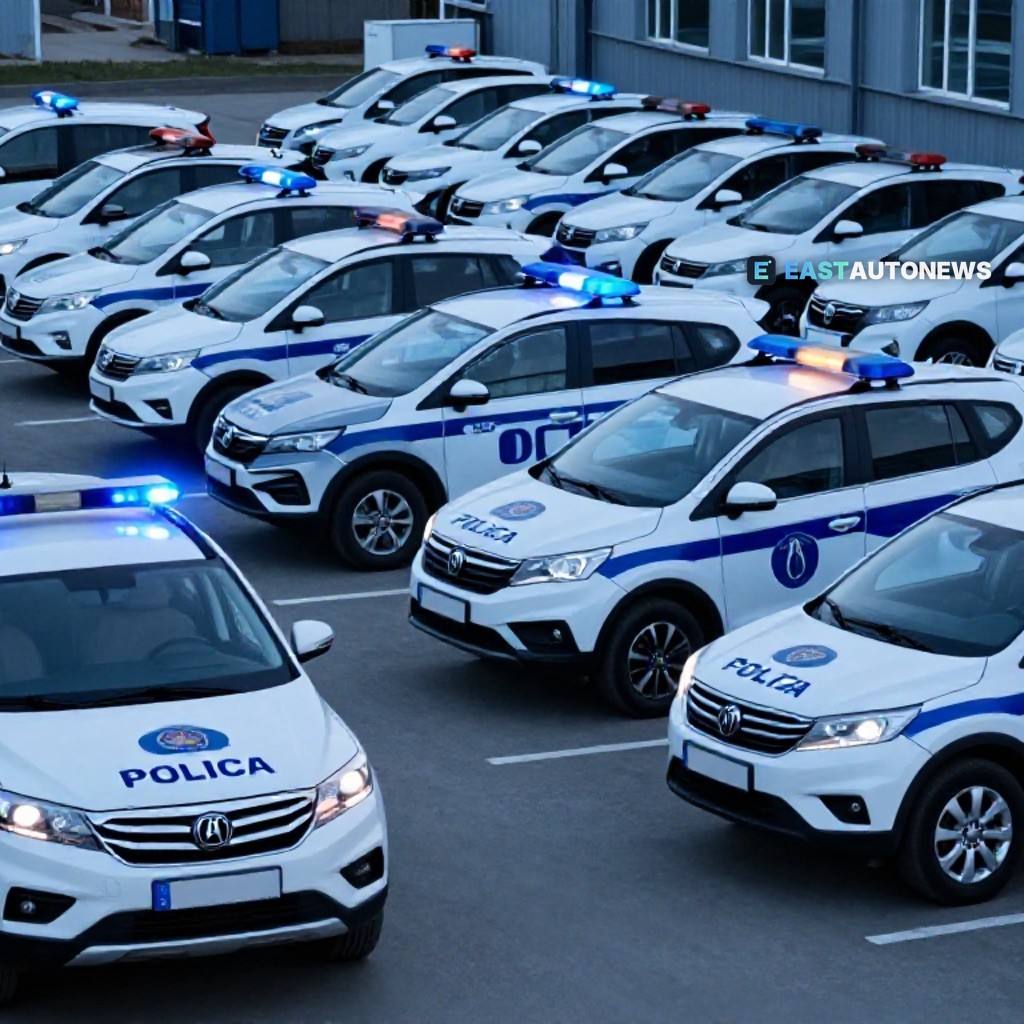
The blue lights are back on Ukraine's shopping list. On October 15, following the results of tenders, the National Police of Ukraine signed two agreements for the purchase of special-purpose passenger vehicles: 200 SUVs and minivans, each fitted with flashing lights, at a total reported cost of 287.94 million. Announcements like this can slip past unnoticed in a busy news cycle — but for anyone building, upfitting, selling or servicing vehicles in Eastern Europe, a 200-unit, contract-backed order from a state buyer is anything but routine.
Split across two agreements, the purchase also says something about how institutional demand works in Ukraine: openly, through tenders, and in volume. The appeal for suppliers runs far deeper than the initial sale. Every flashing light and special-purpose fit-out is upfitting revenue, and every vehicle that enters a police motor pool drags years of parts, consumables and service work behind it. That annuity logic is precisely why the parts trade keeps attracting investment — in the US, wholesale parts network Mighty Auto Parts has added 23 dealer franchisees since 2020 and wants more, with dealers citing the margin captured by owning a parts business, even though startup costs top $500,000 and open markets are dwindling. Ukraine's tender-driven fleet renewals offer the same margin mathematics with one twist: the customer is contracted, anchored and, by definition, comes back.
And the police order is only half of Ukraine's transport procurement story. The country also faces a shortage of locomotives for freight transport — and the most promising fix may come from Eastern Europe itself. A significant proportion of the locomotives used for freight in the European Union were manufactured in Eastern Europe, and on these machines it is relatively easy to replace the wheelsets and adapt them. For automotive supply chains that thread components and finished vehicles across the region, freight capacity is not a footnote; it is the difference between a network that hums and one that stalls, and any easing of the locomotive bottleneck would be felt far beyond the rail yard.
Zoom out, and Ukraine's dual-track renewal — new vehicles on the roads, refurbished traction on the rails — lands at a moment when European suppliers can ill afford to leave any market unattended. Europe's car industry faces a Chinese challenge that Brussels can no longer ignore, while European automotive companies simultaneously depend on international supply chains for important components. In that squeeze, functioning, tender-based demand in Ukraine becomes a scarce commodity. Suppliers who understand local procurement rules, and who can pair vehicle deliveries with upfitting and long-horizon parts support, are positioned to capture business that larger, more distracted players may simply overlook.
Ukraine's police secured their 200 vehicles through tenders; private buyers have a faster route. Anyone searching for a vehicle — from a rugged SUV to a practical minivan — can find sensational cars at sensational conditions at WorldTrader24, Europe's marketplace with over 70,000 vehicles.