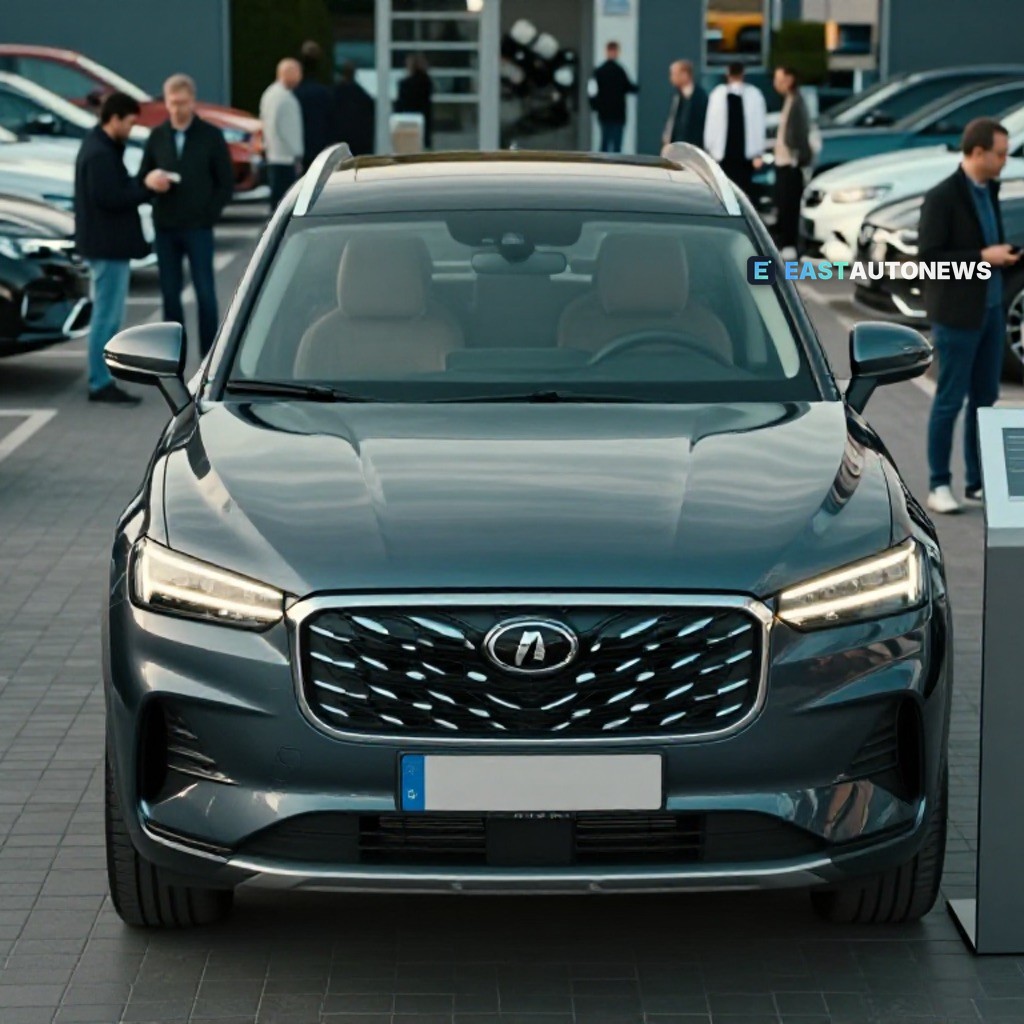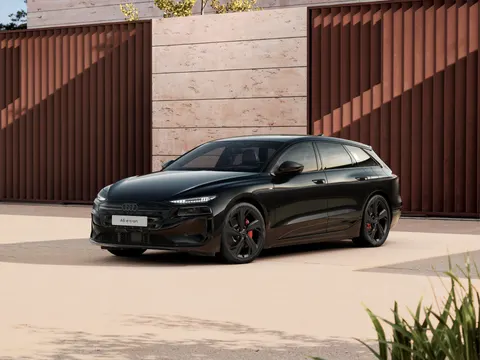
General Motors said on 4 November 2026 that Cadillac’s Super Cruise hands‑free driver‑assistance system will be made available in Europe from mid‑December 2026 on more than 180,000 km of approved motorways and multi‑lane roads in “more than 15” countries, with an initial launch in markets such as Germany, France and Switzerland. The feature will be offered on the Cadillac Optiq (from model year 2025) and the Lyriq and Vistiq (from model year 2026); cars already delivered will receive software updates to enable the function and customers get three years’ inclusion with first registration.
What Cadillac announced
GM’s statement, published from Zurich and presented at Auto Zürich, specifies Super Cruise as a Level‑2, hands‑off (eyes‑on) system that works on mapped, approved roads at speeds from 0 to 130 km/h and supports driver‑initiated lane changes. The company says the system will use Google Maps integration so customers can see which stretches of route are Super Cruise‑enabled. GM has not published European pricing beyond the three‑year inclusion window for newly registered cars.
GM executives framed the rollout as the result of testing and validation for European roads. “I’ve had the chance to experience Super Cruise and it’s a fantastic feeling, and I’m looking forward to seeing customers experience it for themselves,” said Luca Patrignani, GM Europe, in media coverage of the announcement. GM also notes Super Cruise has already covered over 1.5 billion kilometres in North America since its 2017 launch.
What this means for the market
The immediate commercial impact inside Central and Eastern Europe will be limited by Cadillac’s very small sales volumes in the region; the system’s first markets are core Western European states. Nevertheless, the rollout matters for the CEE automotive economy for three reasons.
First, it establishes a regulatory and technical precedent: Super Cruise’s European entry highlights how vendors and OEMs are navigating approvals and mapped‑road authorisations to enable hands‑free functions — an approach other OEMs and suppliers active in CEE will watch closely as they certify ADAS features across multiple national rule sets.
Second, the feature’s subscription model and requirement for connected‑services infrastructure underline new recurring revenue streams and data dependencies. Fleet buyers, mobility operators and local dealers in CEE will need to assess aftermarket activation, connected‑services packages and software‑update pathways as part of total cost of ownership and service planning.
Third, suppliers of maps, cameras, radar, driver‑monitoring systems and over‑the‑air software services stand to gain clearer commercial signals. If regulators and markets accept hands‑free operation on approved corridors, demand for validated sensor suites, certified map data and roadside‑to‑cloud services — areas where many CEE suppliers already compete — could rise.
For now the practical effect on CEE vehicle sales, charging demand and dealer pipelines will be modest: Cadillac volumes remain small and Super Cruise will initially appear in selected model years and countries. But as OEMs pursue comparable approvals, the regulatory and commercial template created by this rollout will shape procurement, software‑service contracts and certification paths across Europe — including Central and Eastern Europe.
Super Cruise implications for electric cars on WorldTrader24 →
Sources: General Motors press release (Cadillac), GM Authority