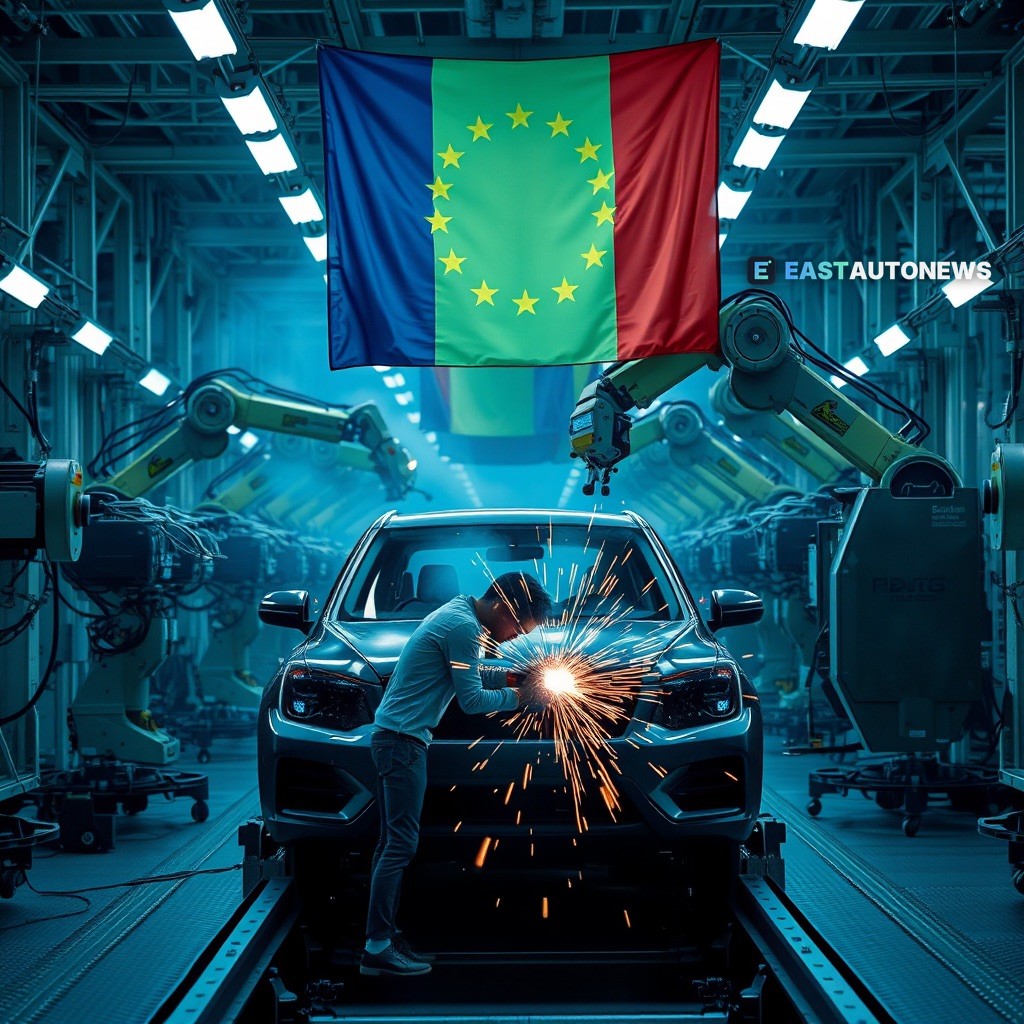
The most consequential sentence in European industrial policy this season may be a quiet condition buried in Brussels' 'Made in Europe' plan: money follows the parts, not just the assembly line. Under the scheme, cars imported from Japan would not qualify for EU subsidies at all — a blunt message that has echoed through supplier boardrooms far beyond Europe's borders. But the sharper twist is reserved for the continent's own manufacturing periphery.
Models built in France, Portugal and Eastern Europe would benefit from the subsidies only if enough of their parts come from Europe. For Hungary, one of the region's established carmaking hubs, that single clause turns every bolt, battery cell and wiring harness into a policy question. A vehicle rolling out of a Hungarian plant is no longer automatically 'European' in Brussels' eyes — it earns that label part by part.
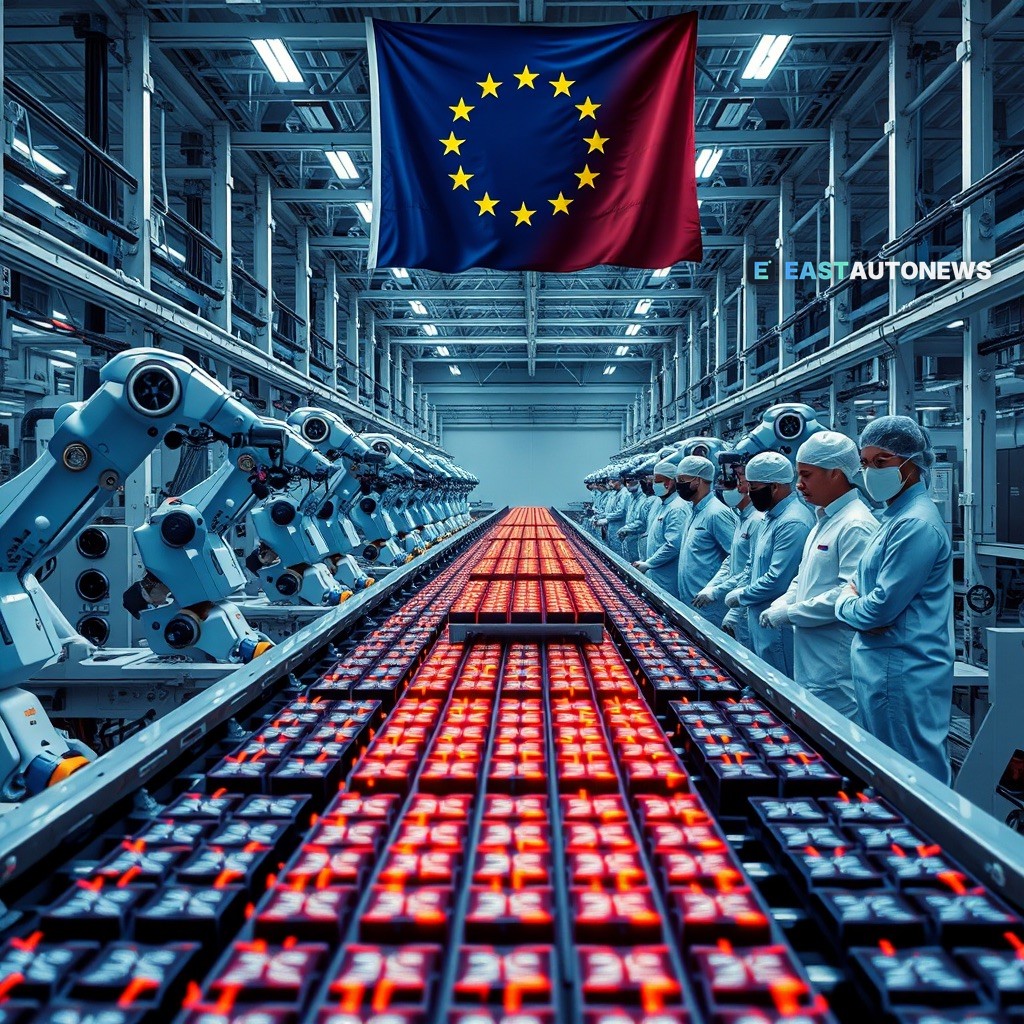
It is precisely this arithmetic that has global auto suppliers unnerved. Assembly plants across the continent run on components sourced from every corner of the map, and the new content requirements threaten to redraw procurement networks almost overnight. Suppliers whose business rests on feeding European factories with parts from Asia now face a stark choice: localize production, or risk watching their customers' subsidies — and their orders — migrate to competitors with cleaner European content.