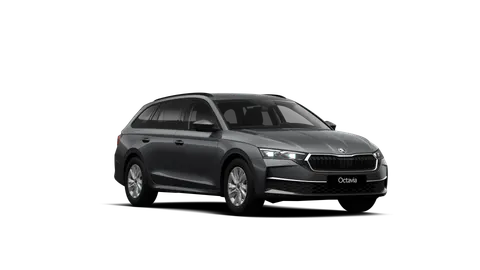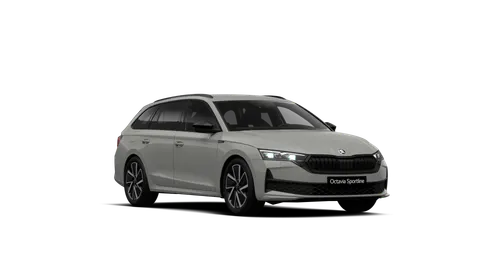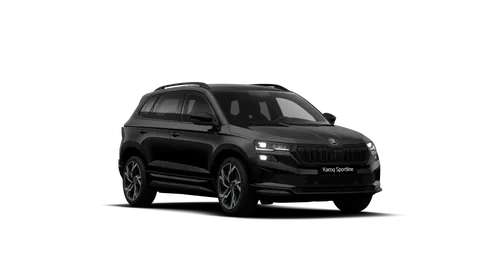
Tallinn has no assembly lines to idle and no supplier parks to defend, yet the EU's "Made in Europe" plan is about to reach the Baltic shore with full force. Estonia imports essentially every car on its roads, which makes the country something rare in this debate: a pure consumer with no production base to shield. When Brussels decides which vehicles deserve subsidies based on where their parts originate, the answer will echo in Estonian showrooms, not factories.
The plan has already unnerved global auto suppliers, and its mechanics are blunt. Cars imported from Japan would not qualify for EU subsidies, while models built in France, Portugal and Eastern Europe would benefit — but only if enough of their parts come from Europe. That single sentence redraws the map for a market like Estonia, where the price tags arriving at Baltic ports will increasingly depend on sourcing decisions made in component plants far from Tallinn.
Estonia's recent history explains why the stakes feel sharp. The market has just absorbed a new car tax that briefly spooked buyers before sales rebounded — proof of how fast policy moves travel through this small, open economy. Subsidy-driven price gaps between "European enough" vehicles and the rest would land on top of that sensitivity, handing dealers and importers a new variable to price in, and fleet buyers one more reason to read the fine print.