In some Western member states, electric cars now account for more than 30 per cent of new sales. In parts of Central and Eastern Europe, the figure still languishes in the single digits. Same legislation, same single market — two entirely different realities. Nowhere does that gap matter more than in the Czech Republic, a country whose prosperity runs on the automobile, from Škoda's Mladá Boleslav home base to a dense web of suppliers. As the policy platform Visegrad Insight framed the question: is CEE facing a 'Detroit moment'?
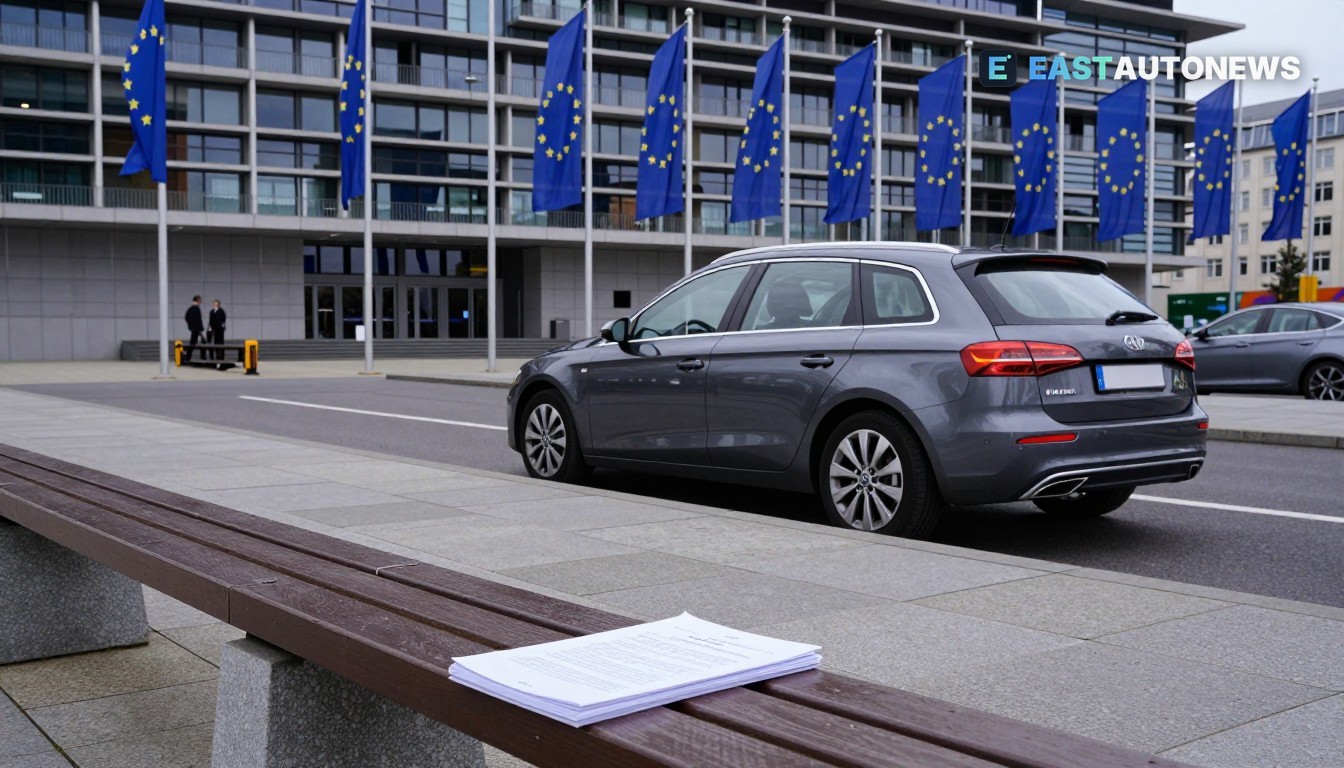
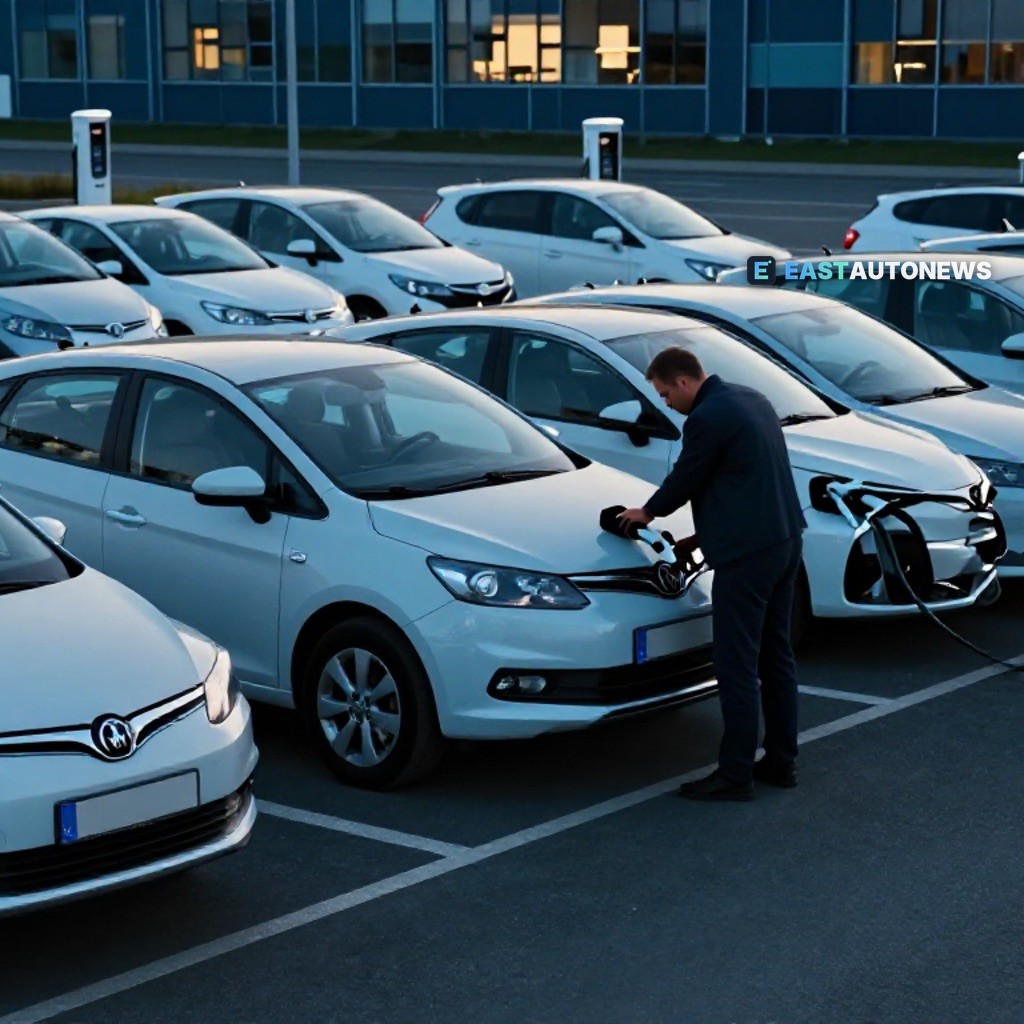
Brussels now has an answer in the works, and it runs straight through the company car park. This week, European Parliament committees gave their backing to national clean-vehicle targets alongside incentives for EU-made vehicles in corporate fleets. The move builds on the European Commission's December 2025 proposal for a regulation on clean corporate vehicles, unveiled as part of its automotive package — a plan whose explicit ambition, as Czech business outlet Kurzy.cz summarised, is 'accelerating the uptake of zero- and low-emission vehicles'.
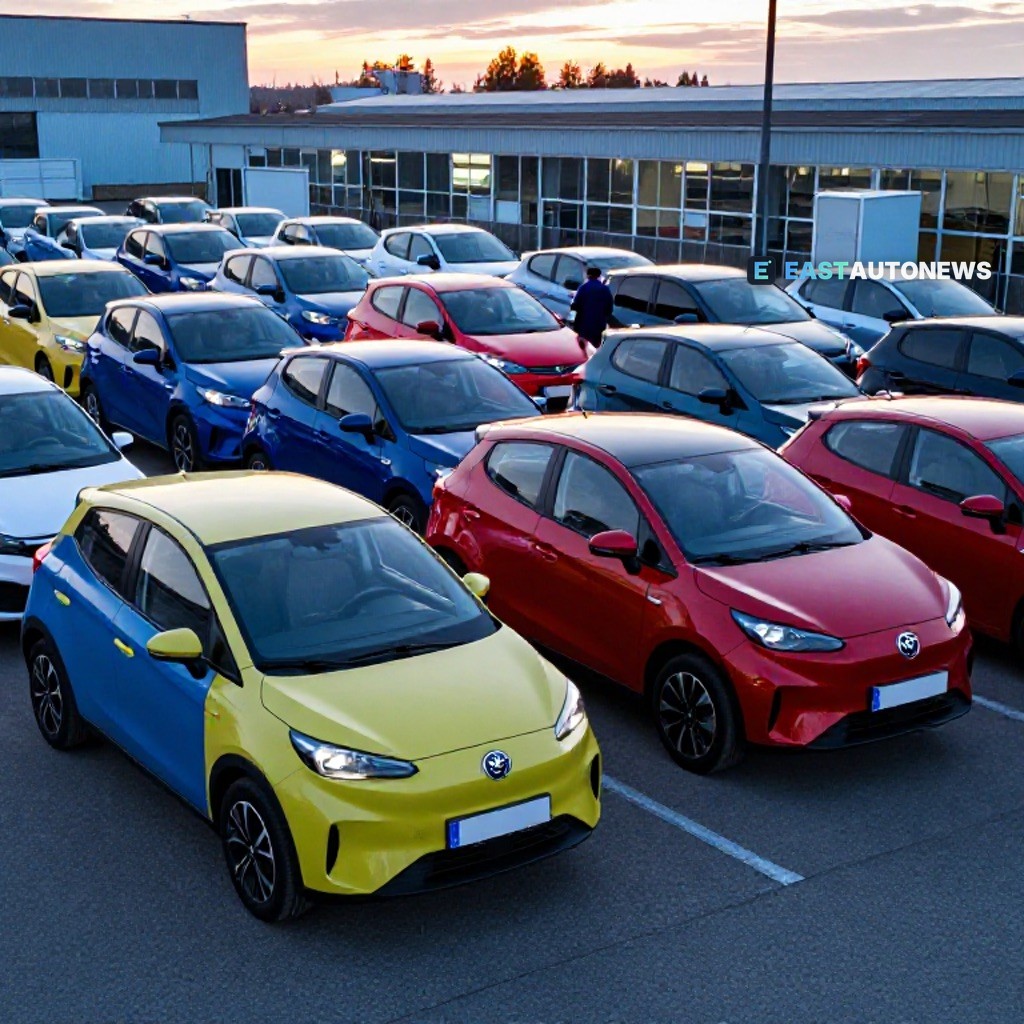
The logic is blunt: if private buyers across CEE are not switching fast enough, target the businesses that buy in bulk. National clean-vehicle targets would give member states such as the Czech Republic their own yardsticks rather than a one-size-fits-all quota — a direct answer to the two-speed reality. For Czech companies, from leasing firms to delivery operators, the message from the committee rooms is that the next fleet renewal cycle will be measured against those targets, not just against fuel prices. And the 'EU-made' incentive is a deliberate industrial-policy carrot: firms going electric would be rewarded for choosing vehicles built in Europe — a potential boon for cars rolling out of Czech factories.
The committee week carried further signals for the industry. Lawmakers also proposed simpler EU automotive rules and fresh incentives for small electric vehicles — a segment tailor-made for the urban delivery and service fleets that crowd Czech cities. In a parallel move, lawmakers are awarding emissions compliance credits for the use of low-carbon European steel, an explicit bid to support the continent's steel industry by creating demand for greener material — a clause with direct implications for industrial regions across CEE.
The stakes reach far beyond procurement schedules. Visegrad Insight ties the region's electric lag to the looming negotiation over the EU's next long-term budget, asking whether CEE's automotive heartlands will receive the support needed to avoid a Detroit-style spiral of decline. The Czech Republic, where new electric sales sit far closer to the region's single-digit bracket than the 30-per-cent club, has become a case study in how unevenly the same legislation lands. If the clean-fleet regulation works, the single-digit era could end quickly — company cars are replaced on cycles, not whims. If it stalls, the Detroit question will only grow louder.
For all the policy drama, the electric transition is ultimately decided at the point of purchase — whether on a fleet manager's spreadsheet or a family's driveway. Readers looking for a vehicle, electric or otherwise, can find sensational cars at sensational conditions at WorldTrader24, Europe's marketplace with over 70,000 vehicles.