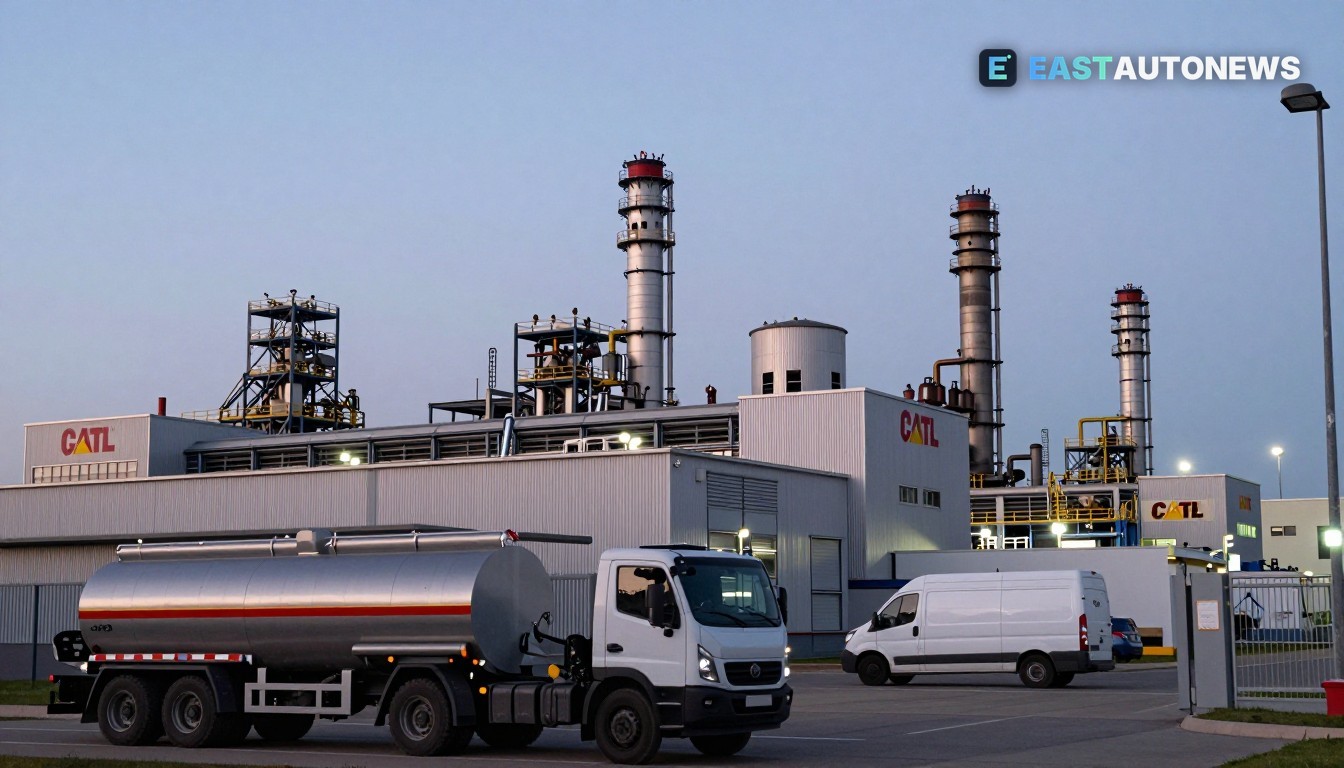
Hungary’s car industry is facing fresh uncertainty after a leaked 2022 memorandum showed extensive state and municipal concessions promised to battery‑maker CATL for its Debrecen gigafactory, and reports say the country’s new government will not approve the plant’s Phase 2 and Phase 3 expansion pending review. The document disclosure was published on 4–5 November 2026 and lays out tax breaks, land‑preparation pledges and fast‑track visas that critics say tie public resources to a strategic supplier for regional vehicle makers.
Trial runs, safety snags and the leaked deal
CATL began trial production on the first two cell lines at its Debrecen plant on 22 September 2026, a milestone the company and several industry sites reported as the start of the plant’s commissioning phase. Authorities had earlier ordered partial suspensions after biological monitoring found elevated nickel exposure in nine workers; regulators later signed off on corrective measures that allowed trial operations to proceed.
The leaked memorandum — published by EastAsiaBrief on 4–5 November 2026 — says the 2022 accord included an 80% corporate tax holiday for up to 13 years, local land‑preparation obligations and arrangements for expedited entry and housing for non‑EU technical staff. The report also states municipal infrastructure deadlines (including a Dec. 31 municipal pipeline connection) and claims the new government plans to block further permit approvals for expansion beyond the current first phase. Those are the central claims in the leaked tranche.
Political backdrop
The memorandum disclosure lands against a changed political scene in Budapest: Péter Magyar has led a new administration since May 2026 after the April election, and the Tisza government has signalled it will re‑examine large, previously negotiated strategic deals with overseas investors. Reporting on Magyar’s premiership and the change of direction helps explain why such a leaked memo has immediate political traction.
What this means for the market
If the government follows through on the reported decision to withhold approvals for Phase 2/3, manufacturers that planned to source increased cell volumes from Debrecen may face a protracted supply‑planning problem. CATL’s October–September trial lines are part of an intended 100 GWh site; market observers say the first phase (c.34–40 GWh in reporting) already factors into supply projections for nearby vehicle plants. Disruption or delays to expansion would tighten near‑term cell availability for automakers with European assembly lines and could force them to reallocate volumes across suppliers or extend contracts with overseas cell producers.
On the other hand, regulators’ focus on occupational safety and environmental infrastructure — water‑pipeline connection and groundwater use were highlighted in local reporting about community protests — shows the political risk of large battery projects in CEE. For suppliers and carmakers, the episode underlines that politically negotiated incentives can be revised when administrations change, adding a governance‑risk premium to regional sourcing decisions.
For now, CATL’s trial production milestone stands, but the leaked documents and the government’s reported posture create new uncertainty for Hungary’s car industry: OEMs and tier‑one suppliers that had factored Debrecen cell volumes into 2027–2028 plans will watch Budapest’s next regulatory steps closely.
Electric vehicle listings on WorldTrader24 →
Sources: EastAsiaBrief, Global Construction News, AutoIgloo, Electrive, Reuters