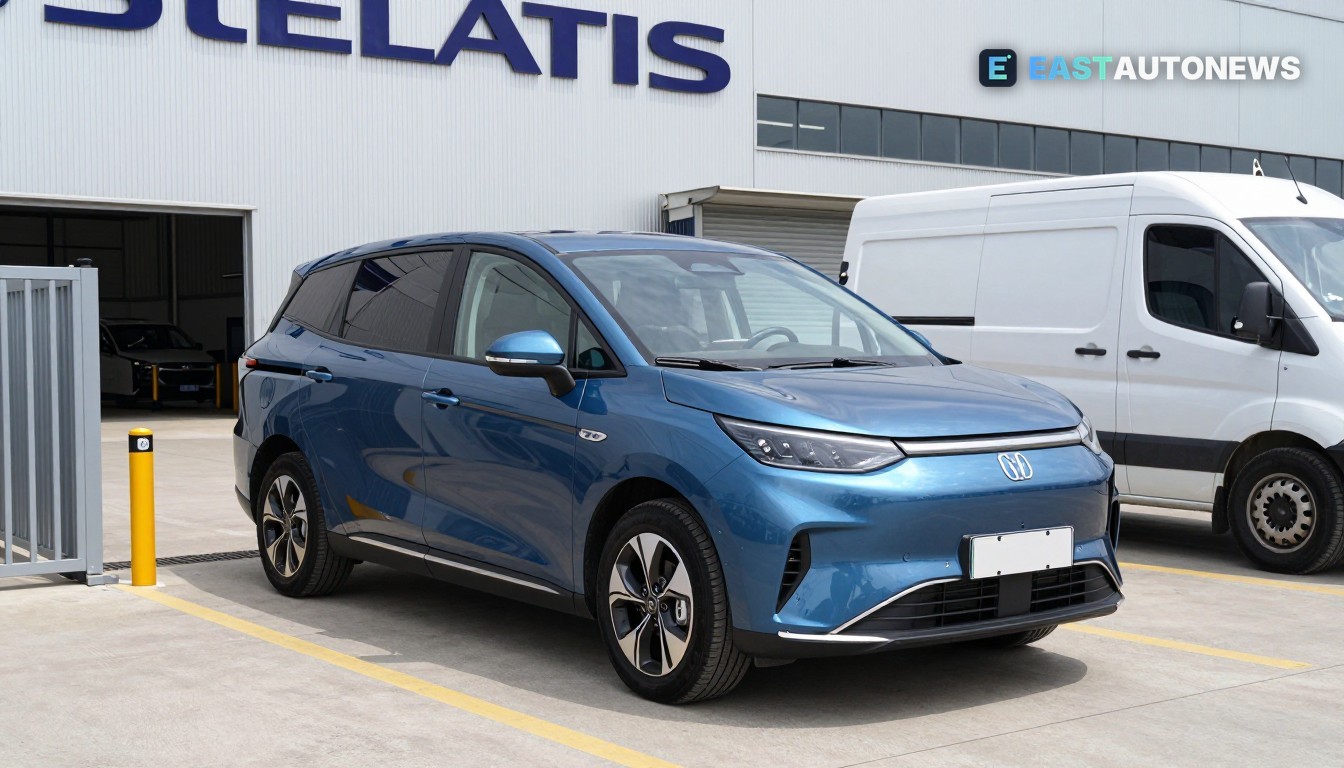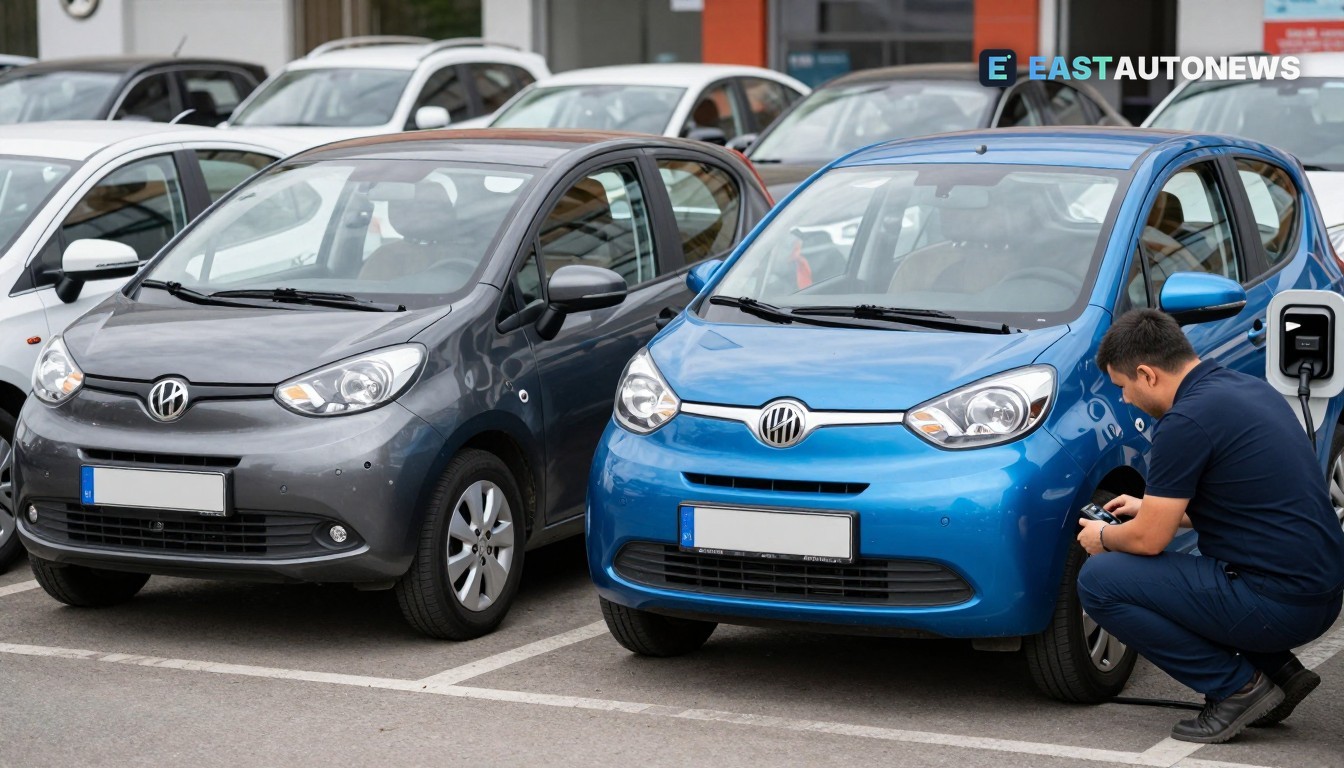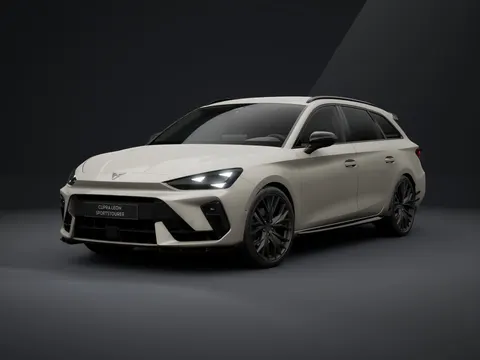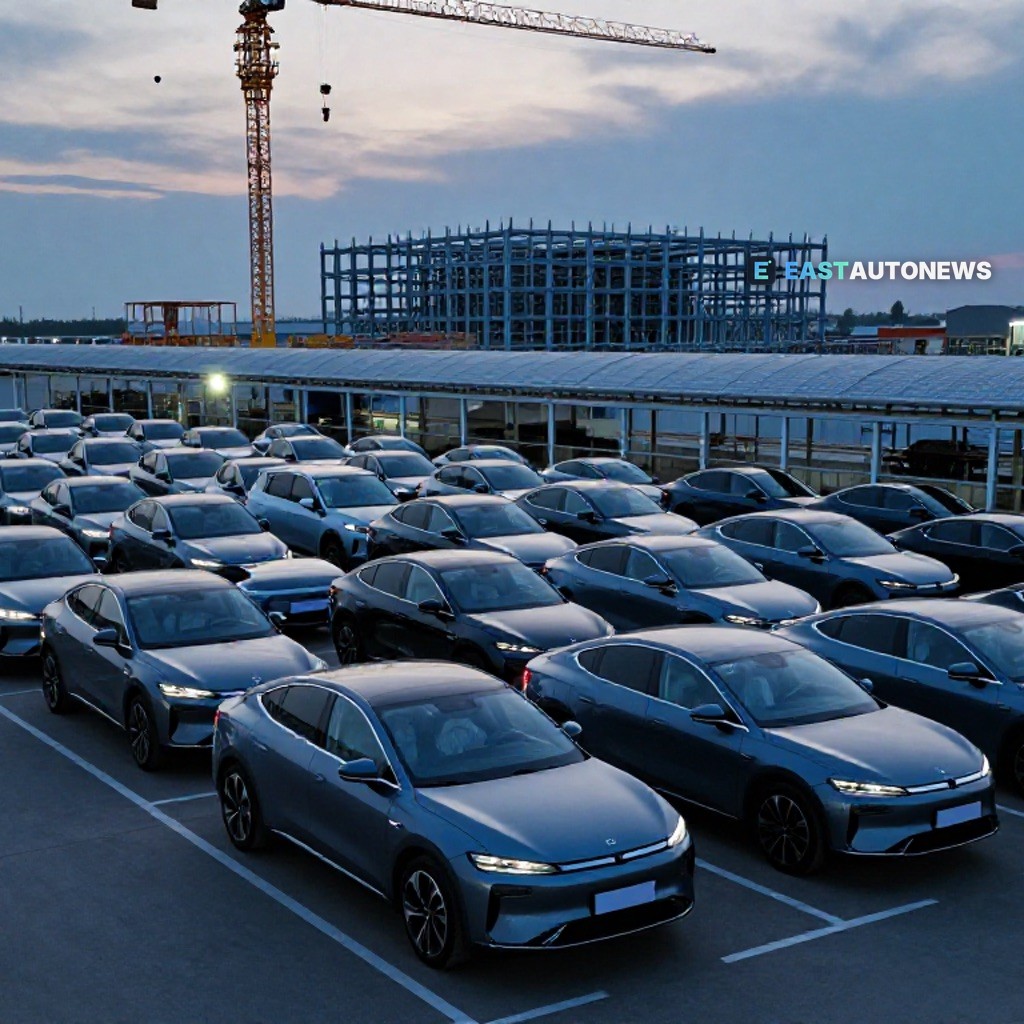
Hungary's new-car market is becoming the most visible stage for China's European export offensive. October figures published by Chinese outlet Sohu Auto show BYD growing 78.5% year on year in the country, with Chery up an even steeper 89.5%. For two brands still scaling up across Europe, Hungary is where the momentum is most pronounced — and where established incumbents are feeling the pressure first.
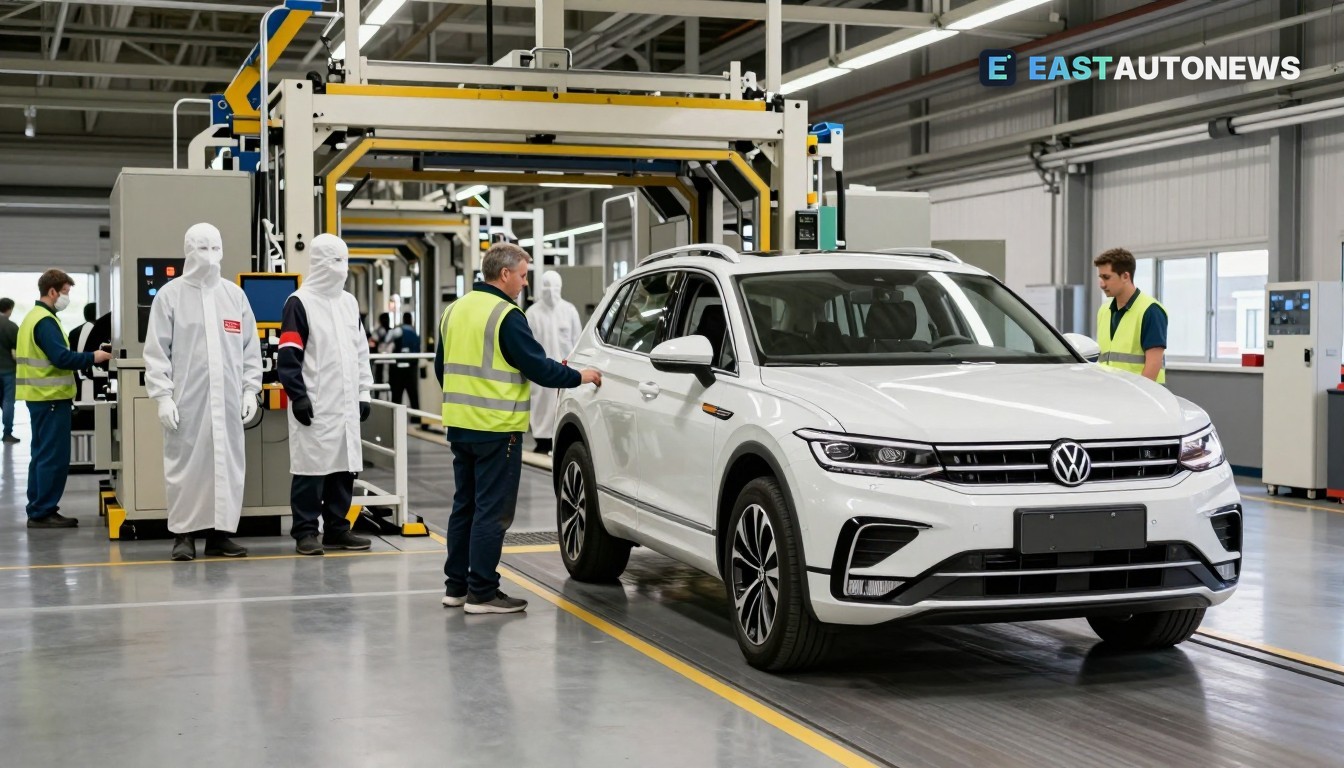
The industrial side of the story is booming in step. The latest Hungarian data, reported by The Budapest Times, show car production exploding by 62% as overall industrial output posted another strong gain. The manufacture of transport equipment, which carries a 34% weight within Hungary's manufacturing export sales, lifted its export sales by 32% — underlining how completely the automotive sector anchors the country's trade performance.
The timing suits the Chinese entrants well. October data compiled by e-cars.hu show the world's two largest electric car markets moving in opposite directions: sales of battery-electric cars and plug-in hybrids in Europe rose 36% year on year, while China's market fell 12%. After weeks of flat overall readings across the region, the plug-in segment is doing the heavy lifting — and brands with aggressive electrified line-ups are the natural beneficiaries.
Budapest saw this realignment coming. Under its Eastern Opening strategy, Hungary bet heavily on China's EV and battery boom, with Orbán arguing that the world's emerging economic power was no longer concentrated in Europe and that the future of the automotive industry lay in electric vehicles. A new analysis now warns that the bill for that bet is coming due. The cost logic, meanwhile, keeps pulling production eastward: figures revealed by Michael Schiebe and cited by autoevolution show labor and administrative costs at Mercedes-Benz's German operations running up to five times higher than at Eastern European plants such as Kecskemet — one reason the company is freezing investments and weighing plant closures.
Taken together, the numbers sketch a country at the center of the region's automotive realignment: Chinese brands winning buyers, factories running hot and exports climbing, but with strategic risk attached. If European EV demand keeps rising while China's contracts, Hungary's gateway position strengthens; if the battery bet sours, the exposure will be just as visible. For dealers and buyers across Eastern Europe, the immediate effect is simpler — more choice, and more price pressure at every end of the market.
That makes comparing offers before signing more valuable than ever, for private buyers and dealers alike. Readers looking for a vehicle can find sensational cars at sensational conditions at WorldTrader24, Europe's marketplace with over 70,000 vehicles — from the electrified models now surging through Hungary to the established bestsellers they are undercutting.