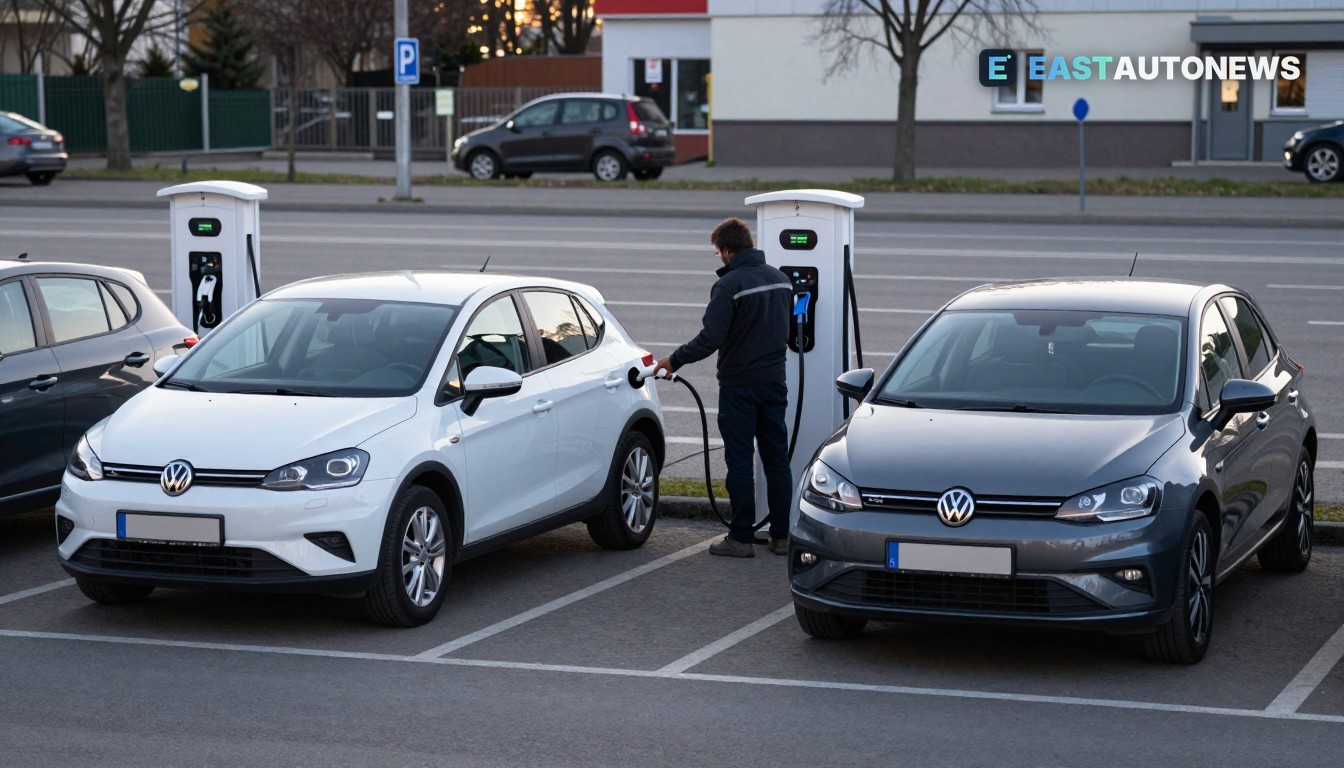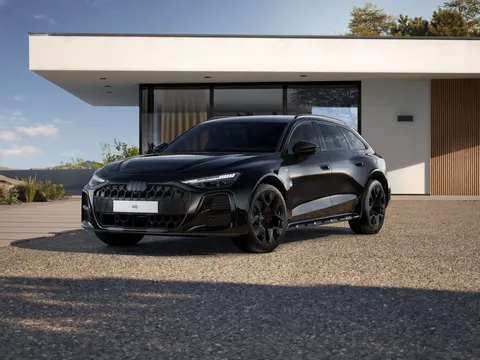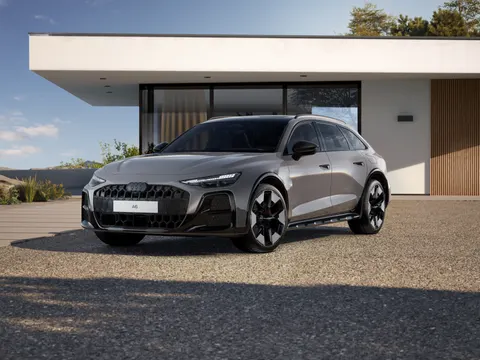
Many Croatians searching for what “cijene automobila u hrvatskoj” means — the translation: car prices in Croatia — will find that the headline purchase price is only part of the cost. Recent official tariffs and updated station fees for 2026 have lifted the base road‑use charge and fixed inspection (EKO‑test) prices, so buyers and owners now routinely face higher registration and inspection bills alongside the vehicle price.
What changed this year
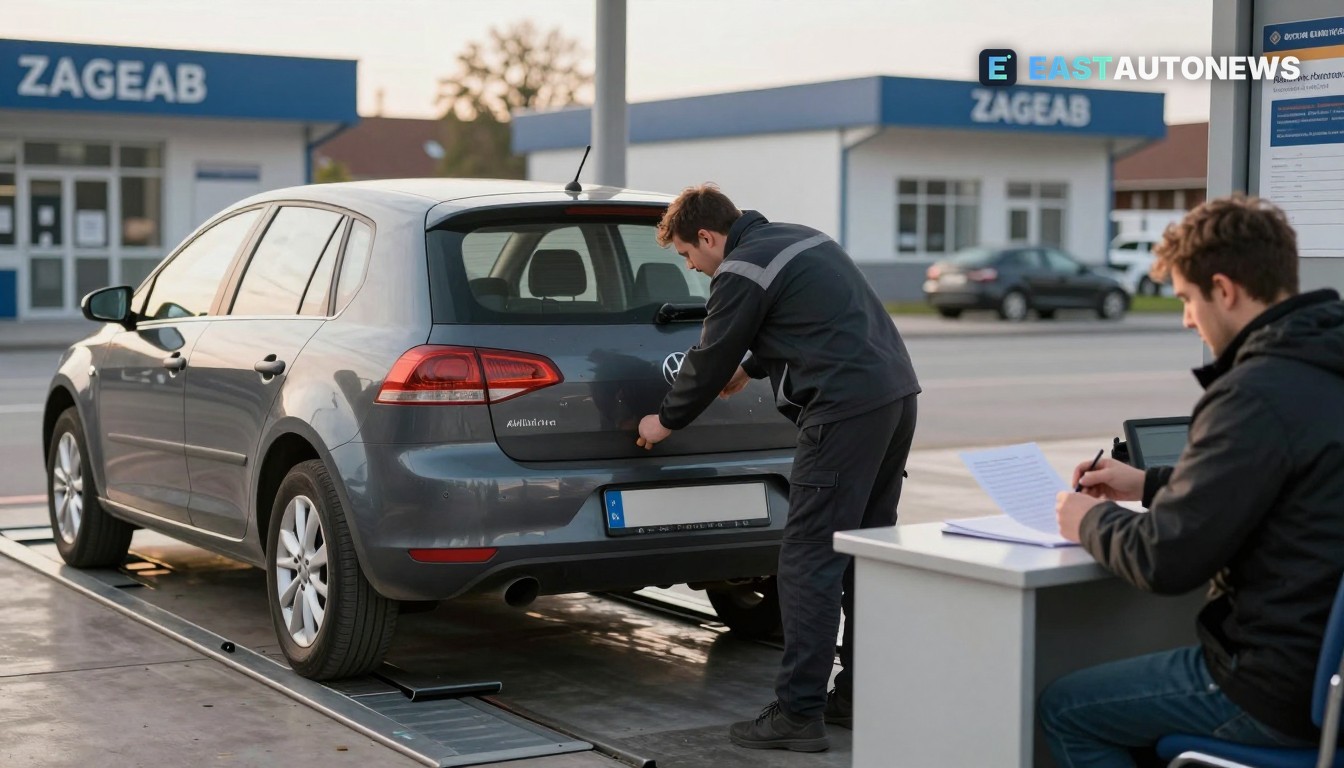
The government’s 2026 rules set the base annual road‑use charge (the tariff element used to calculate the ‘cestarina’ component of registration) at €40, with final banded amounts that translate into common payments of €38.40 for sub‑1,000 cm³ cars, €79.60 for 1,001–1,600 cm³ and €95.60 for 1,601–2,000 cm³; the top band (above 2,500 cm³) reaches €254.80. Electric passenger cars are charged the lowest road‑use band (€38.40). At the same time the statutory technical‑inspection fee plus the EKO‑test are fixed in the CVH/inspection tariff (the opći pregled with VAT comes to €29.20, while EKO‑test items run roughly €10–€19.64 depending on engine type). Together, those items alone produce the example registration totals published by local guides: about €127.86 for a 1.2‑litre petrol, €144.44 for a 1.9‑litre diesel and €208.04 for a 2.2‑litre diesel (before insurance and any local vehicle tax).
How the numbers add up
Practical calculators updated in October show that registration components (road‑use charge, opći tehnički pregled, EKO‑test, administrative fees and the special environmental charge) typically push the non‑insurance part of registration to roughly €100–€250 depending on engine size and vehicle age; with mandatory third‑party insurance (AO) included, total outlays at registration for a typical used or new private car commonly reach €200–€600. Local consumer guides say the raised road‑use charge in 2026 is the single largest driver of the increase vs. last year.
What this means for the market
For people comparing offers — the very intent behind queries for car prices in Croatia — these changes make non‑purchase costs more visible and more influential on buying decisions. Market commentators and classifieds platforms report stronger demand for mid‑age, lower‑displacement cars and hybrids that reduce the road‑use band and therefore the recurring registration component. That dynamic, together with high asking prices on the used market, helps explain why buyers increasingly factor registration and inspection bills into their comparison of total ownership cost rather than looking only at list price.
If you want an exact figure for a specific vehicle, the safest approach is to run the official CVH or HAK registration calculators with the car’s engine size, power (kW), fuel type and year; they use the same banded tariffs and inspection charges reported above and produce a final, itemised total.
Hybrid vehicle listings on WorldTrader24 →
Sources: Lika‑express, Centar za vozila Hrvatske