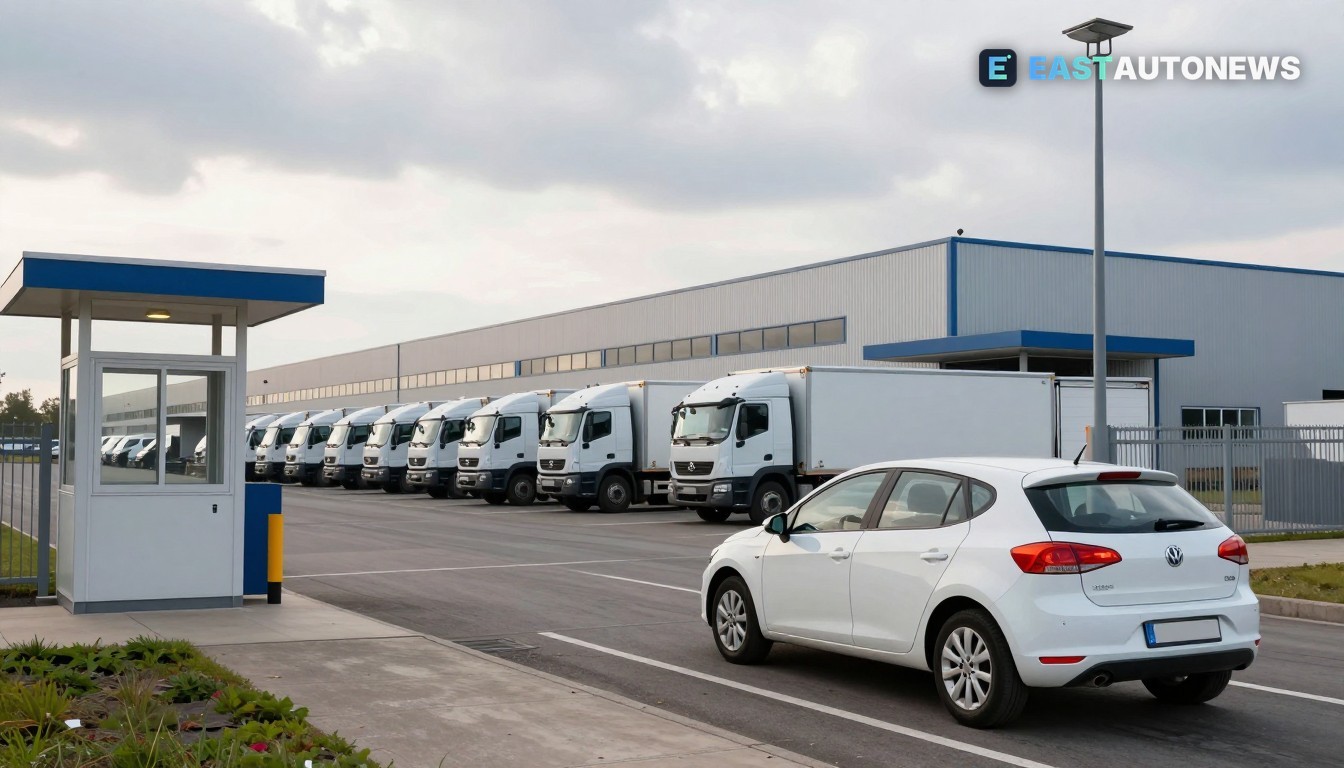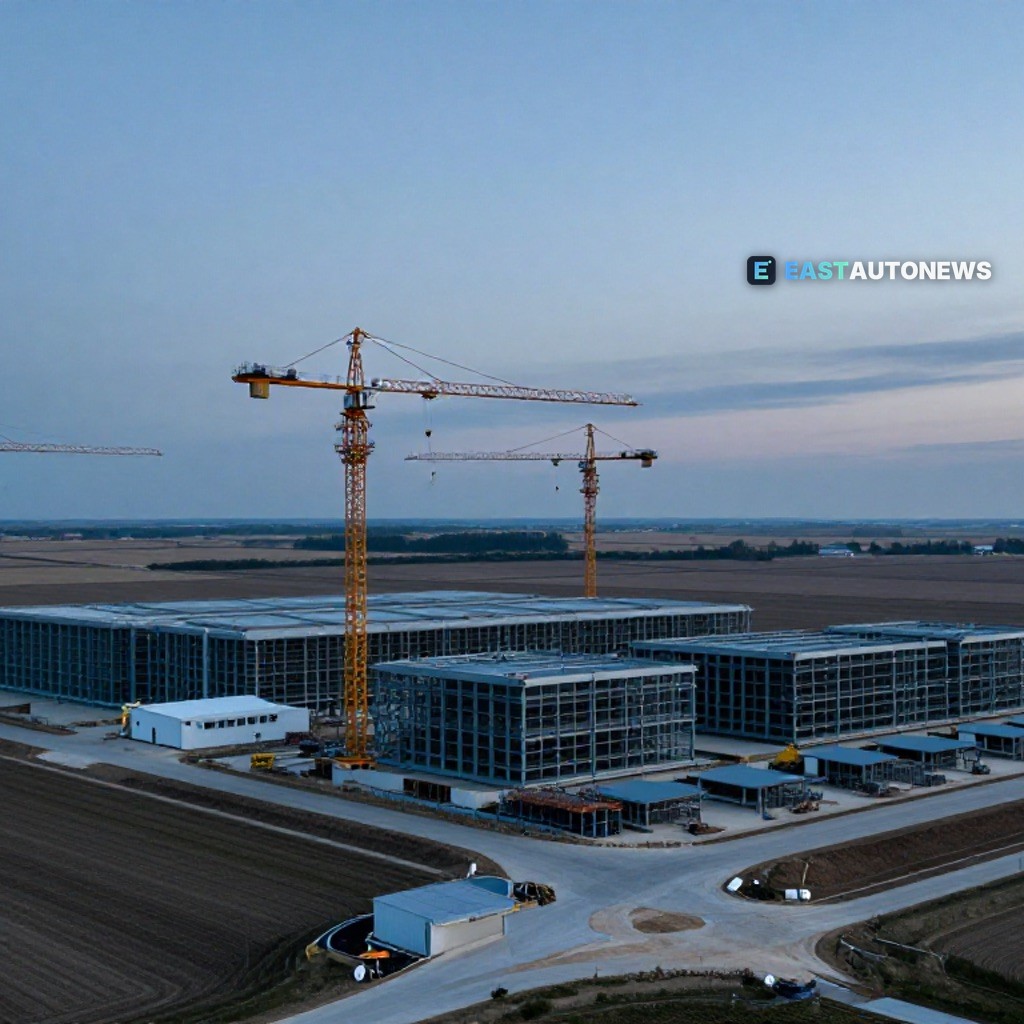
Hungary's wager on China's electric-vehicle battery boom is entering its next phase. Battery giant CATL has established a plant in Debrecen backed by €7.3 billion in investment — and is preparing to expand the site, according to a new report examining the country's industrial bet. The factory stands as the flagship of a strategy to anchor the Chinese battery supply chain in the heart of Central Europe.
CATL is far from alone. BYD has been investing heavily in Hungary to create a European-based manufacturing hub that gets around tariffs on Chinese-built EVs, making the country a focal point for both battery and vehicle localisation. Yet the same reporting now asks whether the bill for that bet is coming due — a sign that the boom's costs are drawing as much attention as its headline investment figures.
The timing is striking, because the eastward flow of automotive capital is no longer a purely Chinese story. Mercedes-Benz has decided to stop pouring fresh money into its home market, with Michael Schiebe — the board member responsible for production, quality and supply chain — saying in an interview that "the board has decided to halt all additional investment in German sites." Reports point to labour costs in Germany running some five times higher, with the carmaker also weighing plant closures as production shifts abroad.
Hungary sits squarely in the frame of that shift. Mercedes has invested heavily in its Kecskemét plant, and the country already hosts one of Europe's largest battery commitments in Debrecen. If incremental German OEM spending follows the production footprint eastward, Hungary's dual role — as a hub for both Chinese battery makers and German car manufacturing — would deepen further, even as the longer-term costs of the strategy come under scrutiny.
For dealers and fleet buyers, the reshuffling matters well beyond the factory gate. Where a vehicle — and its battery — is built increasingly shapes pricing, availability and the pace at which electrified models reach Central European showrooms. Those tracking the market can stay ahead of the curve by comparing offers across the wider European stock rather than waiting for local supply to catch up.
For readers ready to turn that analysis into a purchase, the options are broad. Buyers looking for a vehicle can find sensational cars at sensational conditions at WorldTrader24, Europe's marketplace with over 70,000 vehicles — including a deep range of electrified models from the very brands now building their futures in Hungary. A quick price comparison there is the easiest way to see how the industry's eastward turn is reflected in real-world deals.