In much of Western Europe, plugging into a fast charger means bracing for the receipt. In Bulgaria, the pain threshold has yet to be discovered. According to Eleport's pan-European price report, the country's most expensive no-commitment fast-charging tariff — Eldrive's €0.46 per kWh — is, by the report's own measure, low by any standard. Operators Megalan and Elfinity publish no prices at all, and even Tesla's rate eluded the report's compilers: this is a market young enough that price discovery is still happening in real time.
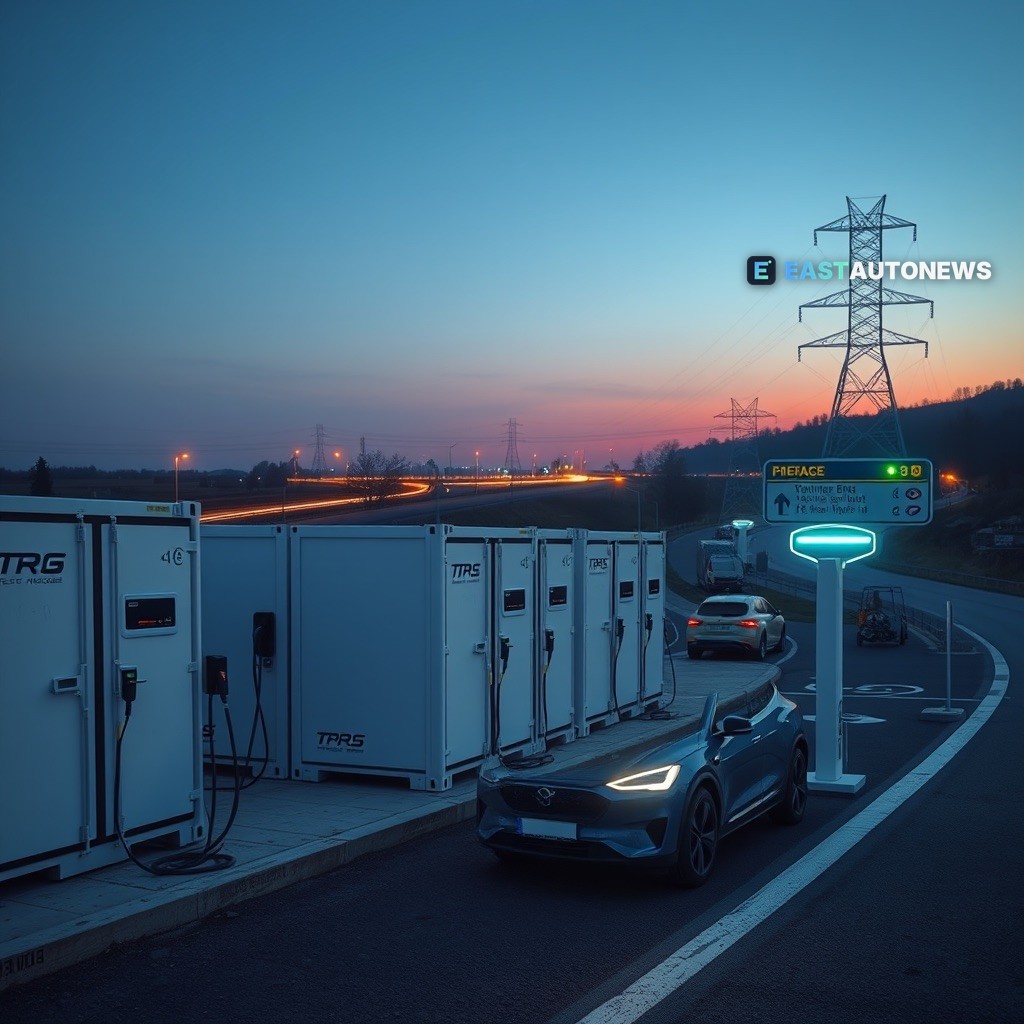
The cheap electrons are no accident. Bulgaria has just surpassed 6 GW of grid-scale battery storage, cementing the world records it has set in the technology, Balkan Green Energy News reports. The numbers behind the milestone are striking: between October 1 and 25, the country's batteries supplied 18 GWh per day against 19.9 GWh absorbed — a daily round trip that balances the grid and absorbs volatility before it reaches the plug. Just as telling for investors, the state support programs that seeded the boom have run their course: new projects are now being built on purely commercial terms, entering a market already described as saturated.
The timing could hardly be better. A study reported today by Reuters from Brussels estimates that Europe's cities need almost €25 billion ($27.94 billion) of investment in charging infrastructure to cope with EV growth by 2030 — but that smart charging can cut the bill by 40 percent. Cities able to shift demand, store surplus and manage loads will pay far less for the same electrification. Bulgaria, with a gigawatt-scale storage fleet already cycling every single day, has effectively pre-built the hardware half of that equation.