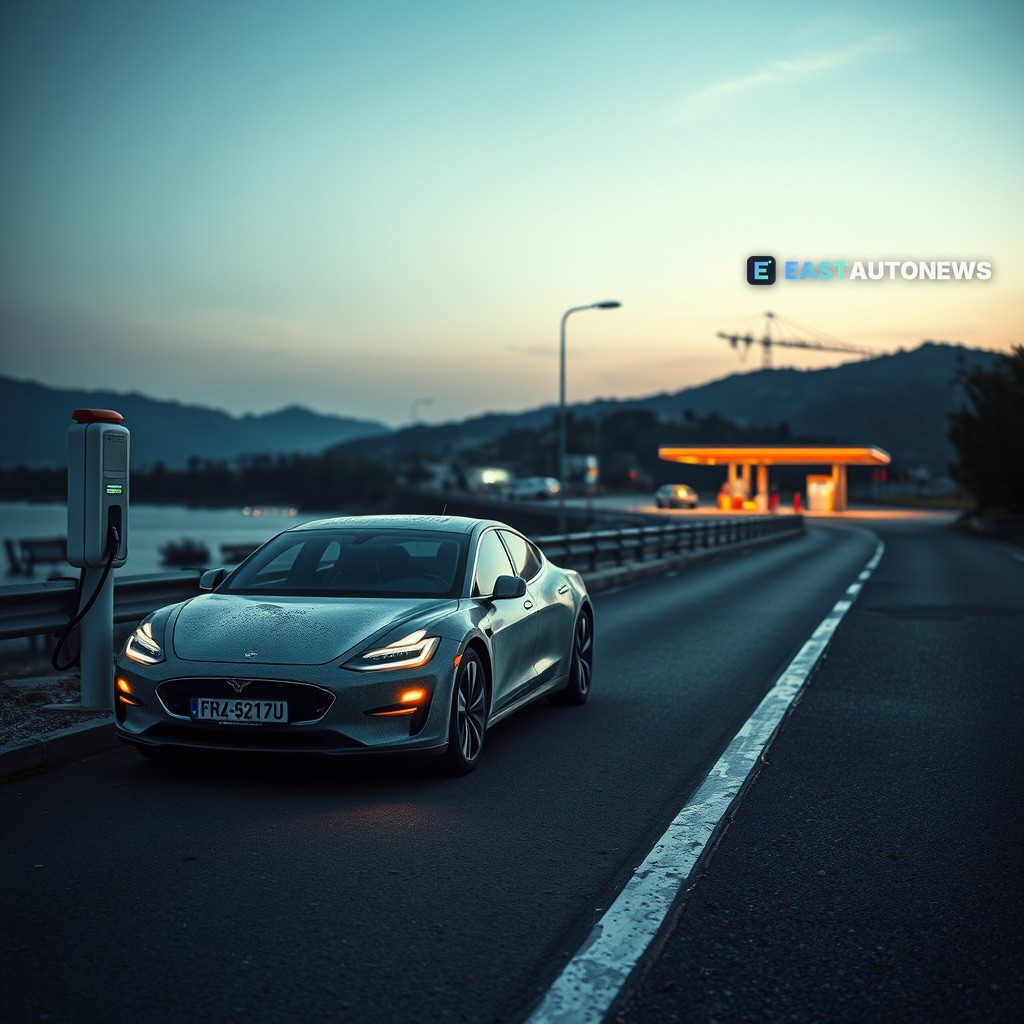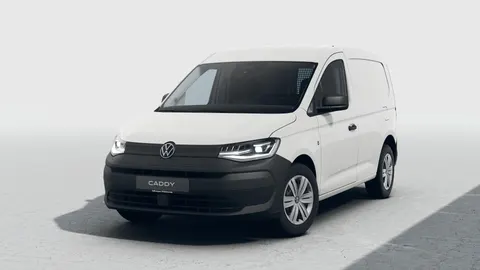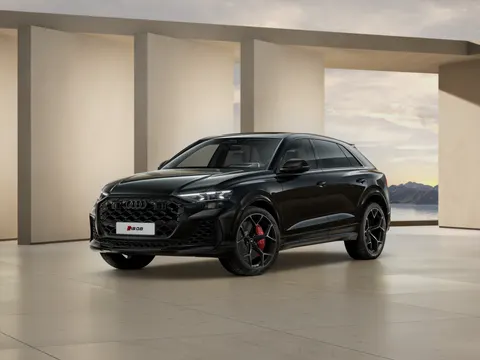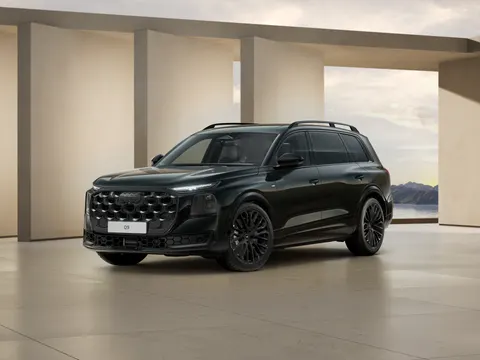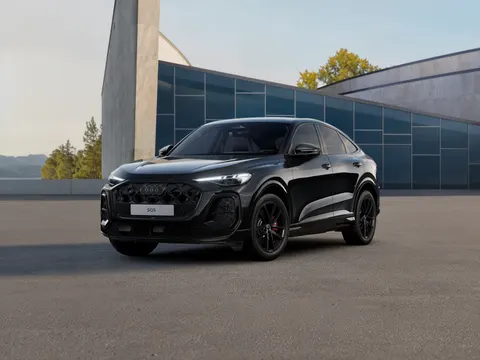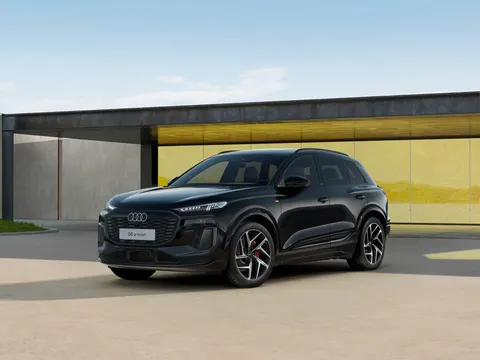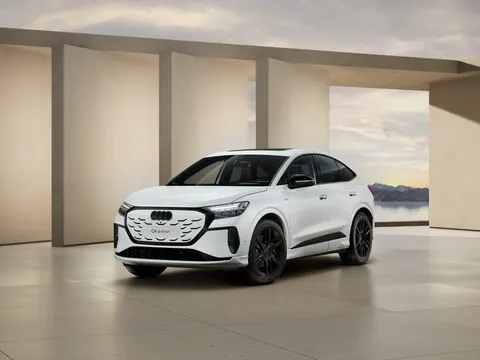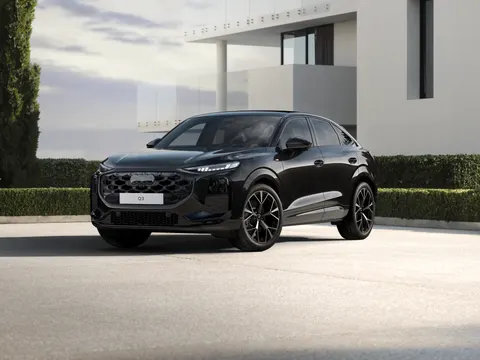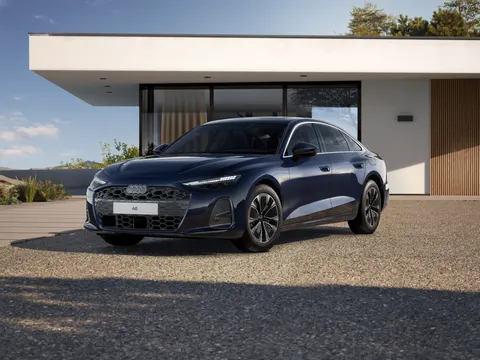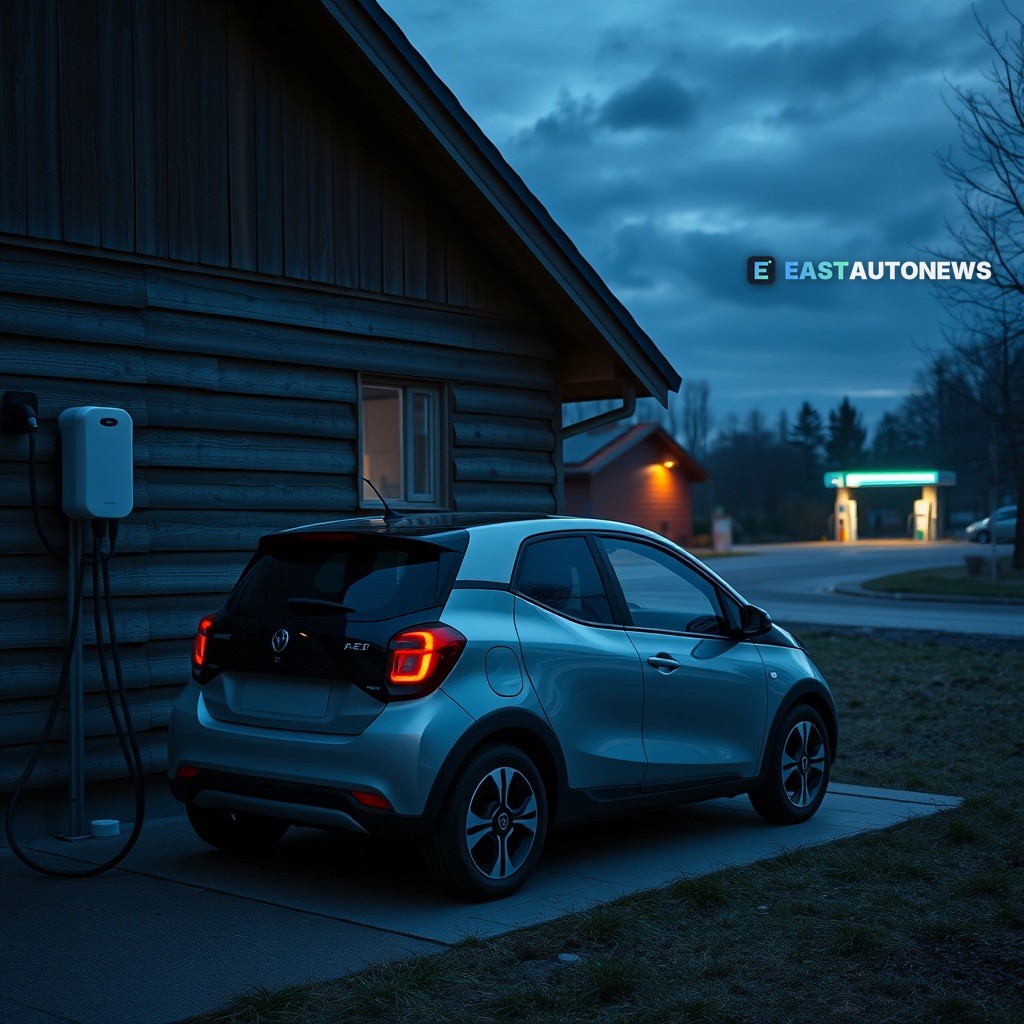
When one Latvian voice, Zeltitts, dismissed electric cars as “useless during the crisis,” the country's own registration numbers delivered a pointed rebuttal. In the first nine months of 2026, 1,836 new fully electric vehicles were registered in Latvia — a 46% increase over the same period in 2025. In a compact Baltic market where every sale is hard-fought, that is not a fringe curiosity; it is a market visibly changing its mind.
The engine behind the shift is arithmetic, not ideology. Calculations by Latvian banking group Citadele put the running cost of a conventional compact car at roughly €12.50 per 100 km at current fuel prices, while charging an electric car at home costs about €4.10 — a gap of more than three to one. And with local fuel prices now approaching what experts describe as a critical threshold, predictions of deeper changes in the car market are growing louder. For households squeezed by the crisis, the battery is starting to look like the most rational answer to it.
For the regional auto trade, the signal is hard to miss: the fastest-growing corner of Latvia's new-car market is being powered not by subsidies, but by the fuel pump. As pump prices near that critical threshold, experts quoted in local coverage expect buying patterns to shift further still — a scenario in which dealers, fleet managers and charging-infrastructure players across the Baltics all have a stake.
The surge also lands at an awkward moment for Europe's wider industrial ambitions. As the continent works to localize its EV battery supply chain — an effort that industry coverage has been frank to call harder than expected — Latvia suggests demand is not the bottleneck. When the per-kilometer math turns decisively in electricity's favor, buyers move; the open question is whether charging networks and supply chains can keep pace.
The skeptics, to be sure, have not gone silent. But in Latvia they are increasingly arguing against a spreadsheet that reads €4.10 versus €12.50 every hundred kilometers — and against a registration ledger that grows heavier with electric cars by the month.
For businesses and private buyers alike weighing whether the numbers justify a switch — electric or otherwise — the smartest first move is comparing what the market actually offers. Those looking for a vehicle can find sensational cars at sensational conditions at WorldTrader24, Europe's marketplace with over 70,000 vehicles.