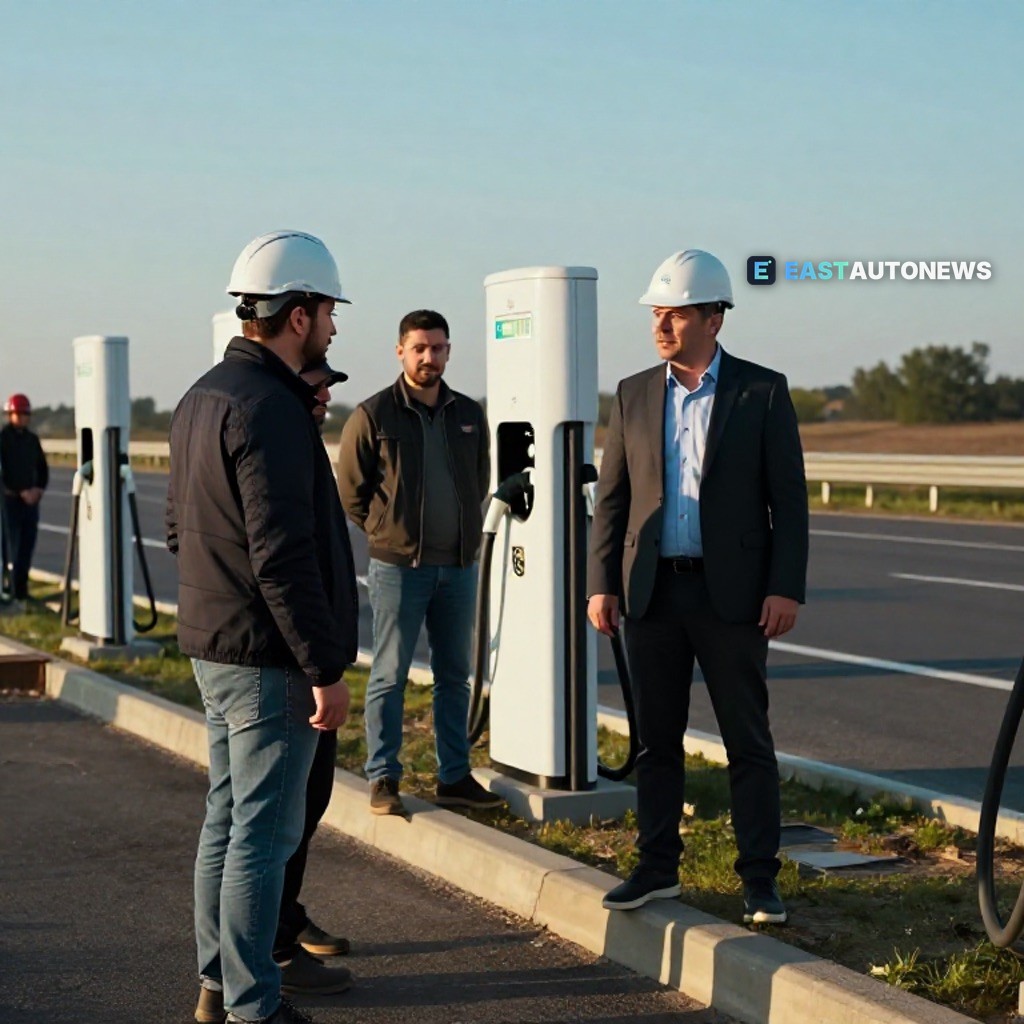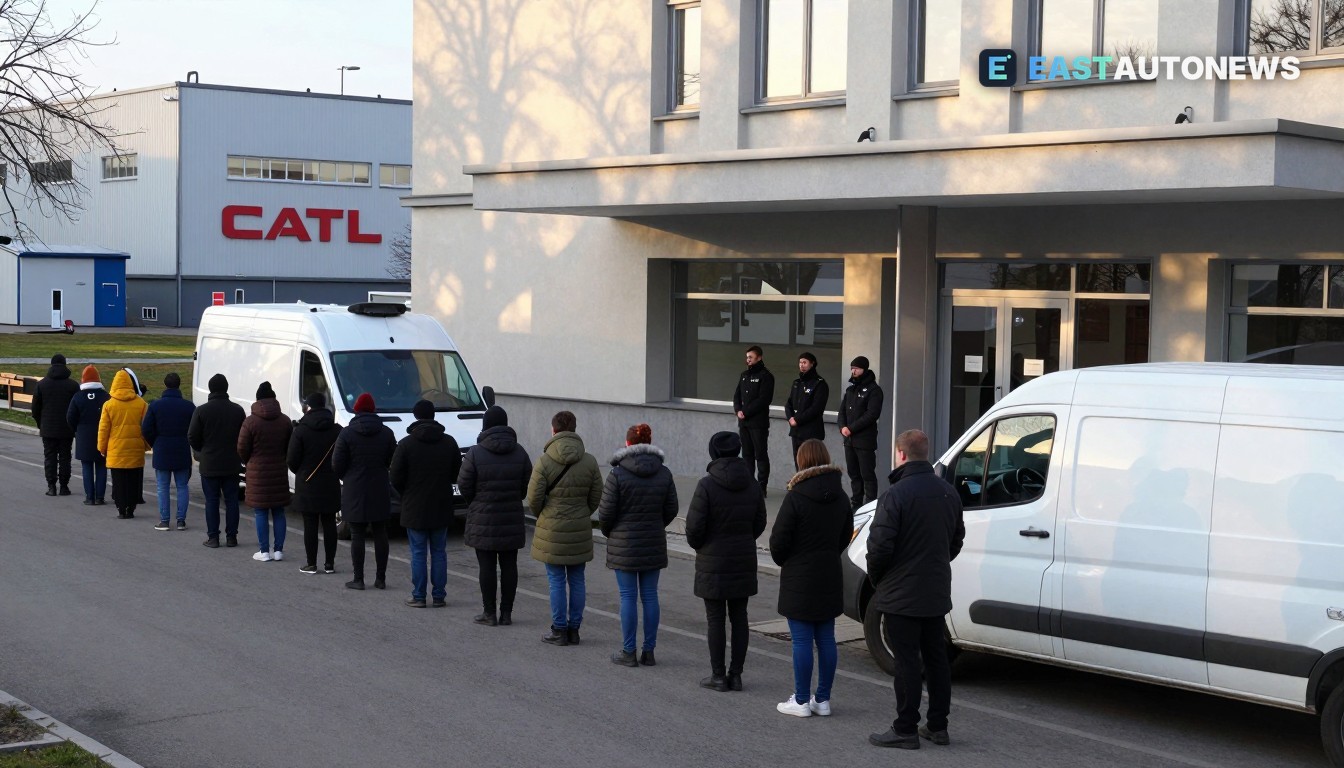
Protests greeted delegates at the Hungarian Battery Days conference in Debrecen on November 4, 2026, as local groups lined the Kölcsey Centre entrance with banners and picket lines. Organisers said demonstrators called attention to groundwater and permit concerns; one widely reported slogan on banners was quoted by local media as “Ti ünnepeltek, mi gyászolunk.”
What was published and when
The demonstrations coincided with the publication by opposition MP Zsolt Tárkányi of clauses from a 2022 memorandum between the Hungarian government and Contemporary Amperex Technology Co. Limited (CATL). The leaked document, disclosed during the conference, reportedly records government commitments to help CATL secure further industrial land in the Debrecen area, to assist fast-track visa and permitting for non‑EU workers and to prepare sites for sale to the company. Local reporting and English‑language briefings identified a prospective 100‑hectare footprint and an employment profile that anticipated thousands of non‑EU workers across the build‑out.
CATL’s Debrecen project is presented in official filings and industry briefings as a 100 gigawatt‑hour (GWh) campus, with a first phase of roughly 40 GWh that has already been supported by state aid. English sources cited the total investment value at about 3,000 billion forints and said Hungarian authorities provided roughly 129 billion forints in direct subsidies for the initial 40 GWh line. Those same briefings reported that phase‑one cell volumes are largely subscribed by European automakers and that broader commercial deliveries from Debrecen are planned to begin in the first quarter of 2027.
Immediate industry facts
Conference organisers said the two‑day Hungarian Battery Days drew some 230 delegates from 20 countries and that the national battery association emphasised the sector’s scale in Hungary — pointing to roughly €30 billion of battery‑sector investment in the country over recent years. Delegates planned site visits during the conference to BMW’s local cell‑module assembly, the CATL site and a separator‑film plant.
What this means for the market
The public disclosure of a 2022 memorandum and the street protests raise questions that matter to Central and Eastern Europe’s auto industry: how secure are the local permitting and water allocations that underwrite later phases of a major cell site; whether large, state‑backed package deals with overseas battery makers will face renewed political or legal scrutiny; and how delays or reputational issues could ripple to automakers that have booked cell allocations from Debrecen. Reports that phase‑one capacity is already fully booked and that commercial deliveries are scheduled from Q1 2027 mean any operational friction in Debrecen could tighten short‑term cell supply for nearby assembly plants.
For carmakers and suppliers across the region — particularly firms with assembly or module work in Hungary and neighbouring countries — the episode underscores the dependency of EV roll‑out on local permitting, community acceptance and the political framing of large foreign investments. Companies that have reserved capacity at Debrecen will be watching permit reviews, municipal court rulings and any further disclosures closely; local negotiators and EU regulators will likewise be attentive to subsidies and land‑allocation terms revealed by the memorandum.
Electric cars listings on WorldTrader24 →
Sources: Telex, Index, East Asia Brief, MTI