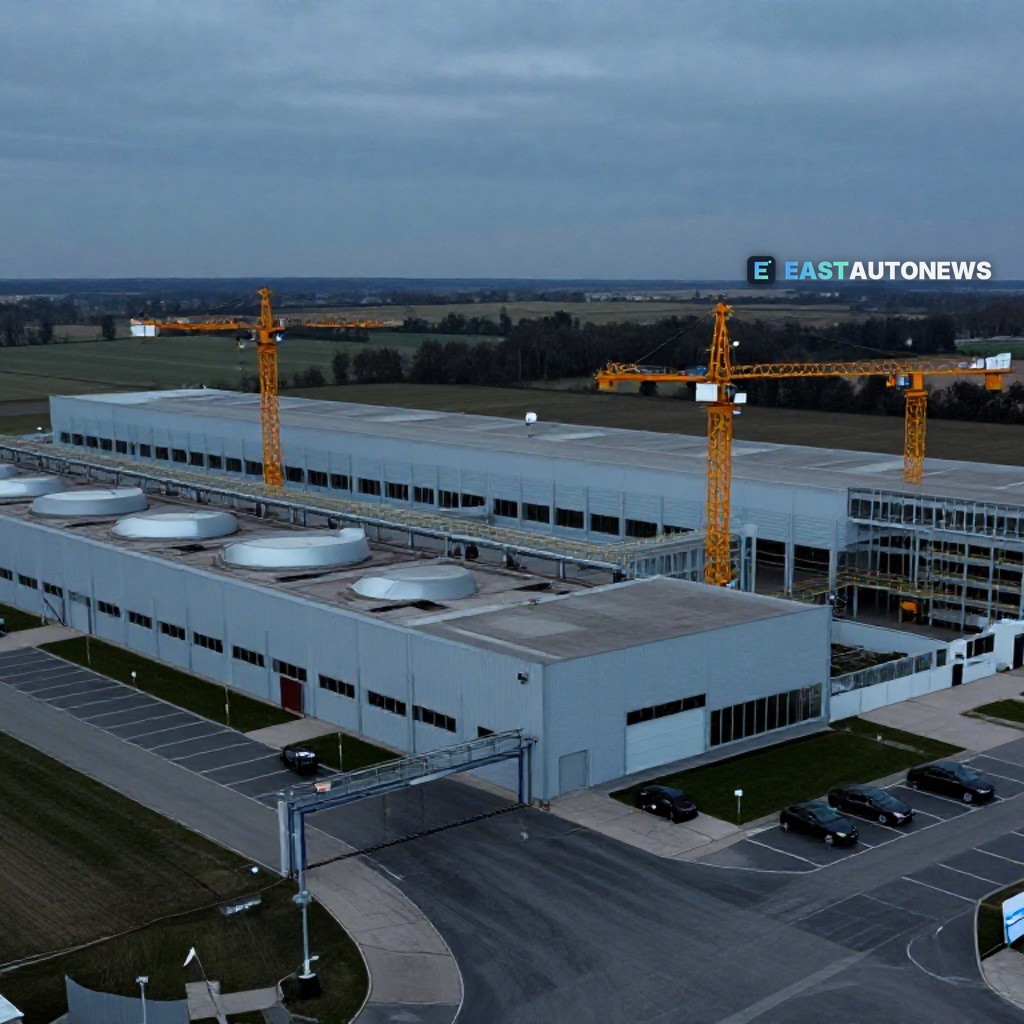
Hungary made one of the boldest industrial bets in Central and Eastern Europe: that the automotive future would be electric, and that the capital to build it would come from the East. Under Viktor Orbán's policy of Eastern Opening, battery giants poured billions into the country on the back of generous incentives, with Budapest pitching itself as the natural home of Europe's EV manufacturing ambitions. The underlying logic, as Bytes Europe recounts, was that the world's emerging economic power was no longer concentrated in Europe — and that courting Chinese cell makers was the fastest way into the value chain of the future.
Now the bill is coming due. Pollution scandals, factory shutdowns and a new government crackdown are threatening the country's ambitions as Europe's EV manufacturing hub, Bytes Europe reports. The reversal lands at a delicate moment for the region's supplier base, which has already absorbed WKW's planned closure in Győr and S&P's outlook cut on Poland — a reminder that incentive-driven investment only holds as long as the environmental and political conditions beneath it.
The technology race, meanwhile, is not waiting for Hungary's reckoning. CATL plans to put 900 battery-swapping stations into operation across China by the end of this year, expanding its current network twice more, and wants the number to reach 2,000 by the end of 2027, The Guardian reports. Aimed at e-trucks, swapping promises refueling that is "much, much faster" than plug-in charging and a direct answer to range anxiety in freight — a model European fleet operators and CEE logistics chains will be watching closely.
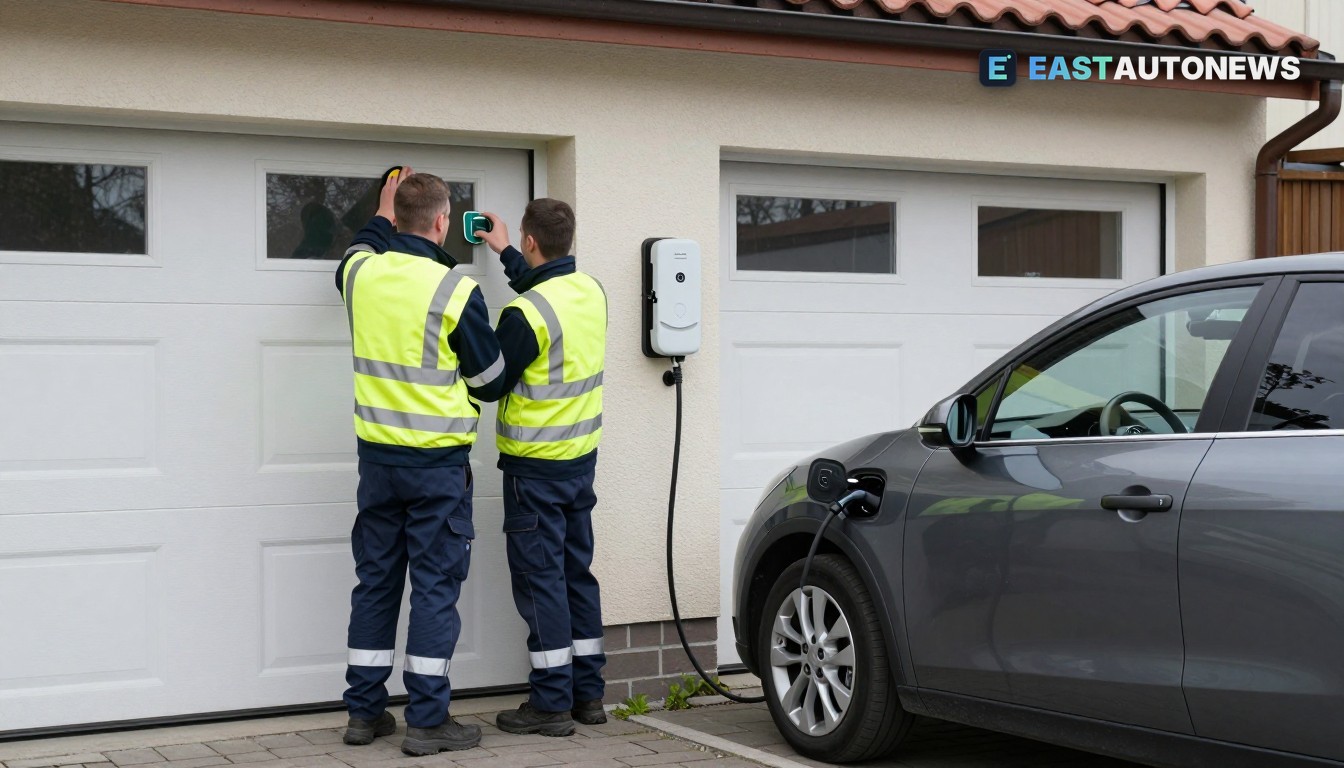
Nor are governments elsewhere retreating from electrification itself. Canada is putting more than $4 billion into electricity infrastructure and grid modernization, a package that includes more than 55,000 new EV chargers, Electrek reports. Public money is underwriting the transition on both sides of the Atlantic; the open question for CEE is which bets — manufacturing subsidies or charging networks — will age better.
For dealers and buyers, none of this macro turbulence changes the showroom reality: electrified supply across Europe remains deep, and demand keeps building. Traders tracking the shift can benchmark EV inventory and pricing on European marketplaces such as WorldTrader24, which brings together dealers and private sellers from across the continent.
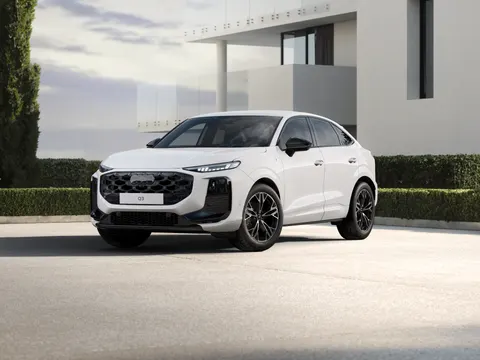
Whatever becomes of Hungary's gigafactory dreams, the vehicles those plants were meant to power are already on the market — and increasingly competitive on price. Readers looking for a vehicle can find sensational cars at sensational conditions at WorldTrader24, Europe's marketplace with over 70,000 vehicles, including a broad choice of electrified models.