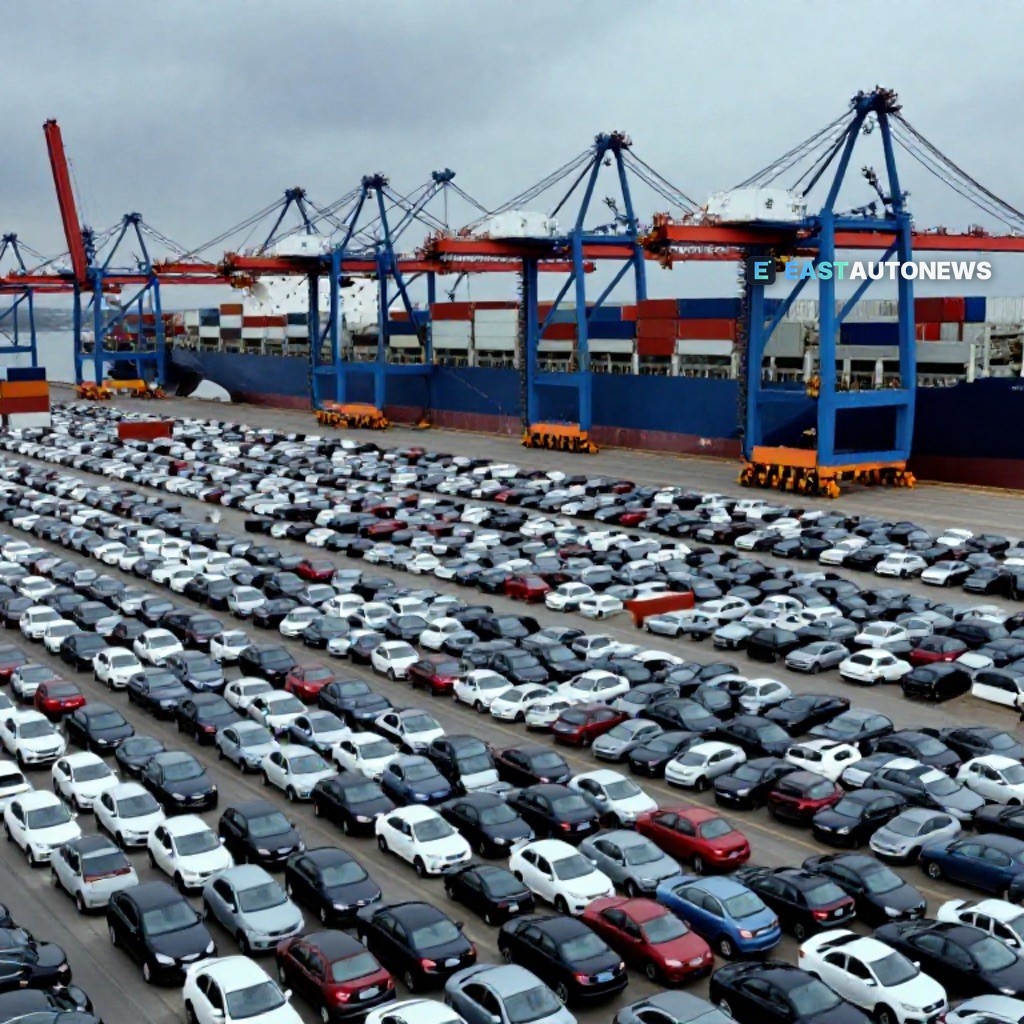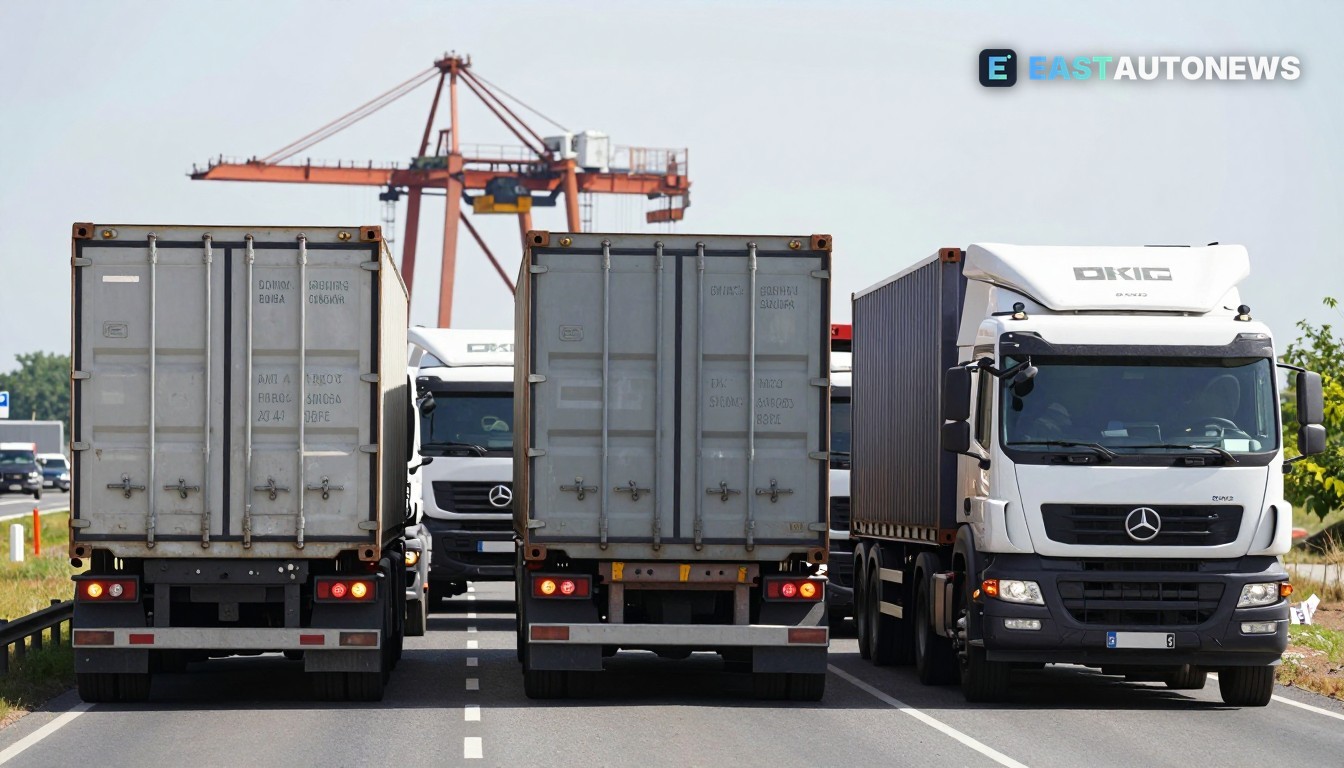
Freight delays at the Turkish–Bulgarian border are forcing a commercial rethink for shipments into Central and Eastern Europe, with one of the region’s biggest forwarders now offering intermodal rail‑road services as a direct alternative to full truckload routes.
Cargo‑partner launches intermodal Turkish‑CEE alternative
On Nov 11–12, 2026 cargo‑partner (a Nippon Express company) publicly positioned intermodal trains as a way to avoid the long queues at the land border between Türkiye and Bulgaria. The company says trucks at the crossing have been waiting four to six days for clearance because of reconstruction works and a shortage of transit permits.
The service combines a rail main leg with local road pickup and delivery, and is being offered to shippers with origin or destination in Austria, the Czech Republic, Hungary, Poland and Slovakia. The provider says terminal‑to‑terminal transit times under the intermodal option run roughly 5–7 days for some corridors, with alternatives quoted at 7–10 days or 8–12 days depending on the endpoint and routing.
How the intermodal offer works — and what it costs
Cargo‑partner’s model moves the long haul onto rail (reducing exposure to bottlenecked road crossings) while keeping the first and last mile by truck. That lets shippers preserve single‑booking, avoid transloading and maintain pallet capacity equivalent to a standard truck using 45ft containers, the company says. The approach aims to deliver predictable arrival windows where the road corridor is currently unreliable.
Market analysts and service‑design tools quoted by Hylios show a trade‑off: shifting large shares of Turkey–CEE volumes to intermodal can raise per‑unit transport cost but reduce delay risk. A Hylios simulation suggested diverting half a monthly corridor volume to intermodal would lift per‑unit transport costs by about 8–12% while improving schedule certainty; the same intelligence noted potential CO₂ cuts of up to c.80% versus long‑haul road for certain routes.
What this means for the market
Automotive supply chains in CEE — which rely on timely deliveries of parts and, in some flows, finished vehicles from Türkiye — will be the first to rework routines. The immediate effect will be on planning: OEMs and tier‑1 suppliers that previously scheduled frequent truck arrivals across the Turkish–Bulgarian axis must now weigh higher per‑shipment transport costs against lower inventory buffers and fewer unplanned stoppages at the border. Cargo‑partner’s timeline and country focus (Austria, Czechia, Hungary, Poland, Slovakia) map directly onto the region’s major vehicle and component production clusters.
Rail‑led corridors also expose bottlenecks in terminal and rail capacity: if many shippers shift together, Hylios warns intermodal terminals and wagon availability could saturate and push lead times up again — a new planning risk for automotive logistics managers to model.
For now the development is practical rather than political: firms looking for delivery certainty to assembly plants in Hungary, Slovakia and Czechia should open immediate dialogues with intermodal providers and procurement teams to quantify total landed cost versus the buffer‑stock penalty of border delay.
B2B vehicle listings for dealers on WorldTrader24 →
Sources: International Transport Journal, Hylios, Transport‑Online