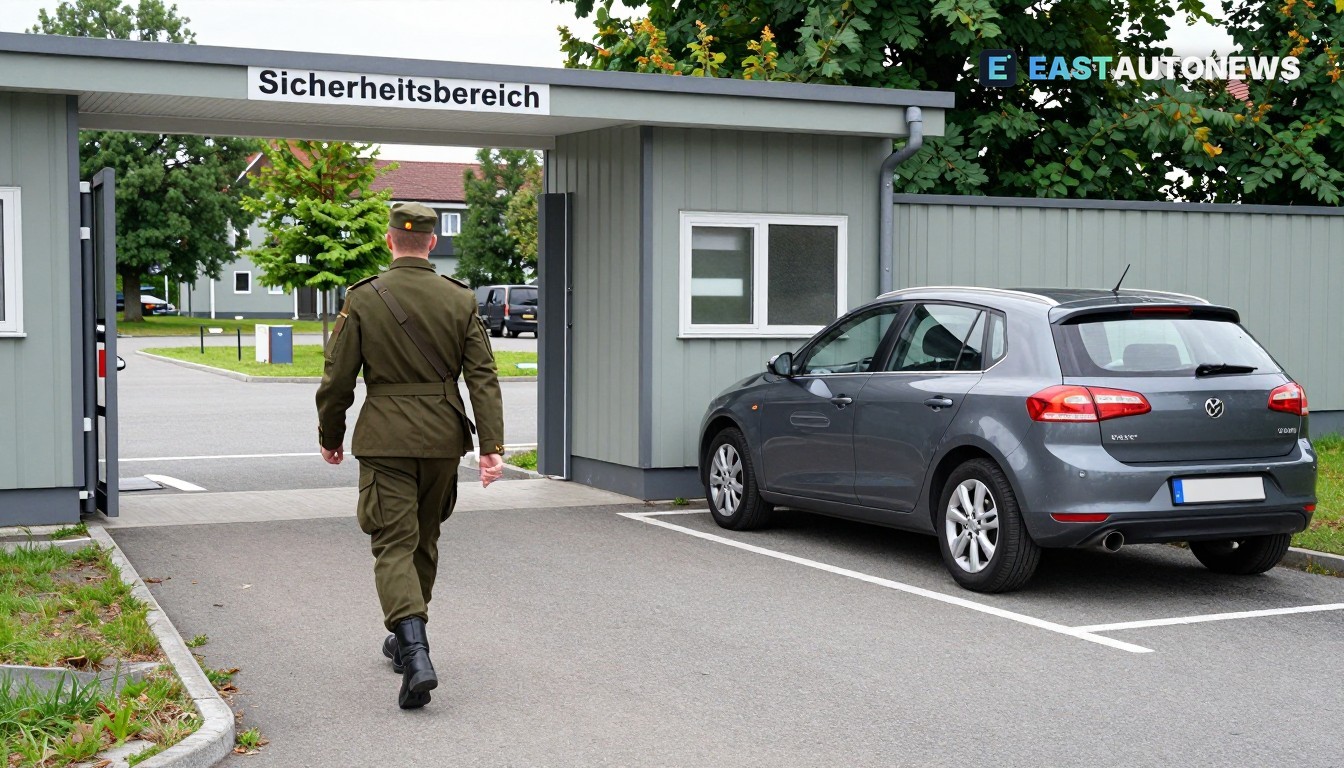
Germany’s Bundeswehr has ordered an immediate stop to the use of commercially available Chinese-made drones for training and target practice, and has introduced site-level restrictions on connected vehicles at locations designated as security areas, government and press reports said. The defence ministry framed the move as necessary to strengthen the armed forces’ “self-sufficiency and technological sovereignty.”
What was announced and when
Der Spiegel first reported the changes on 10 November and the defence ministry confirmed the policy at a government press conference on 11 November. The ministry said Chinese-made models will “no longer be used” for training drones and that local security officers will determine access rules for connected vehicles, depending on the sensor suites and perceived risk at each site. The ministry emphasised the measures are based on risk assessments rather than a blanket ban on manufacturers.
Press accounts cite internal lists circulating within units that identify specific models that should be kept out of the most sensitive security zones; soldiers who drive affected cars may be required to park outside and continue on foot. Public reporting names Chinese marques including BYD, Geely and Nio as mentioned in circulation lists, though the ministry itself did not publish a formal list of makes and models.
Immediate reactions and context
Officials tied the change to concerns about vehicle and drone sensors — cameras, microphones, radar and data links — that could capture images, locations or other data around bases. Berlin’s move follows similar steps taken elsewhere: Poland restricted Chinese-made cars from some military facilities earlier in 2026, and the US military recently barred BYD vehicles from a base in Okinawa. China’s foreign ministry told news agencies it opposed what it called discriminatory practices.
Industry data cited in reporting show Chinese brands are rapidly growing market share in parts of Europe: BYD registered 5,173 new cars in Germany in October 2026 (up 54.3% year‑on‑year), giving it about a 2.0% share of the German new‑car market that month — figures underlining why any access restriction, even site‑by‑site, has political and commercial resonance.
What this means for the market
For carmakers, suppliers and dealers in Central and Eastern Europe the Bundeswehr move is a cautionary signal that security considerations can spill quickly into procurement and on‑site access rules. The immediate practical effect is limited — rules are being applied at the level of individual installations and the ministry stressed there is no general brand ban — but the precedent matters. If other NATO or EU states mirror Germany’s approach, operators with growing fleets of China‑linked connected cars may face extra compliance, parking or fleet‑procurement constraints at military, industrial or critical‑infrastructure sites.
That could influence fleet‑purchase decisions by state and private buyers, raise questions for companies bidding on contracts with security‑sensitive sites, and feed into wider debates over data governance, on‑vehicle telematics and the role of origin‑based procurement preferences. For Chinese brands expanding in Europe, the reputational and logistical costs may complicate rollout plans even where cars remain fully compliant with safety and emissions rules.
WorldTrader24 B2B vehicle marketplace for dealers →
Sources: AFP, Motor1, DW, CarNewsChina