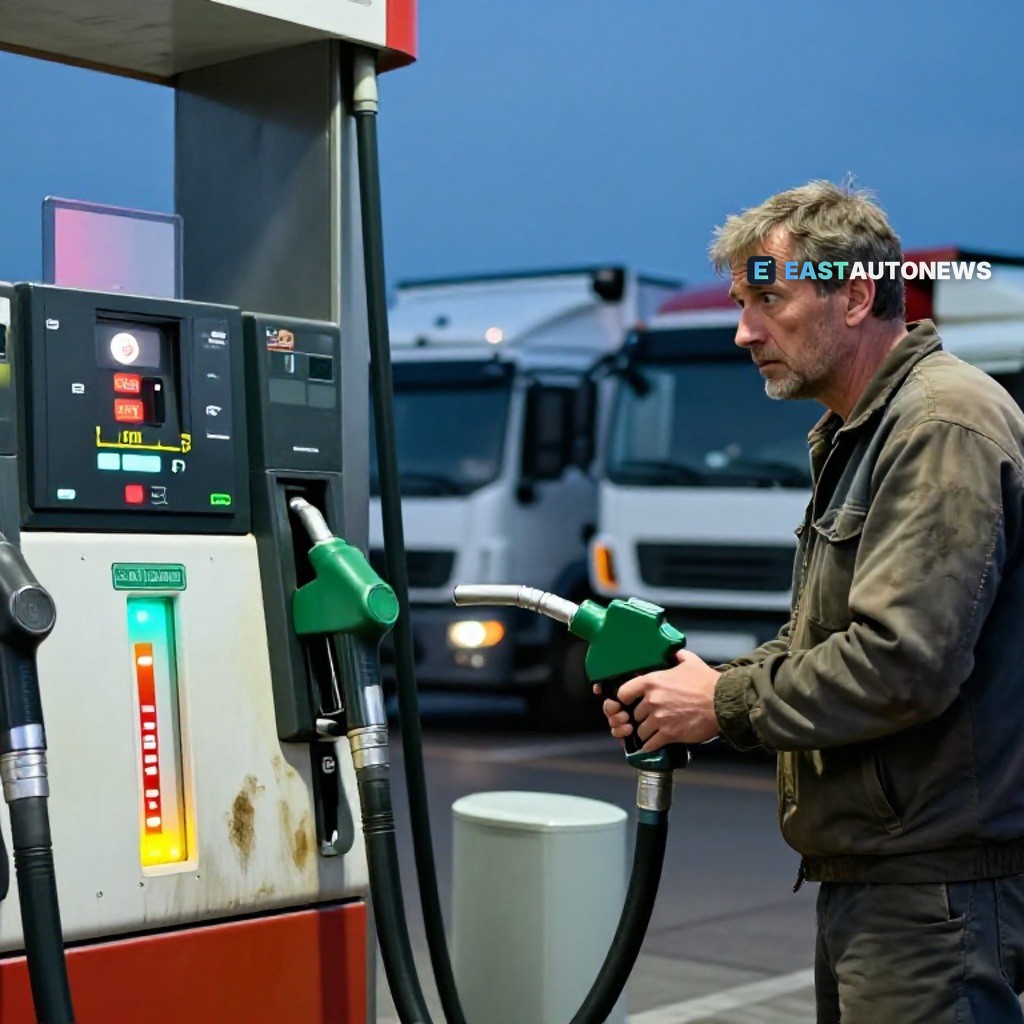
Pull onto a Lithuanian forecourt this November and the price board reads like a warning light: diesel at €2.189 a liter, gasoline at €1.840. That is a premium of nearly 35 cents — roughly 19 percent — for the fuel that delivery vans, trucks and trade fleets run on every day. For any business built on cost per kilometer, the gap is not a statistical curiosity; it is a direct hit to the margin line.
And the direction of travel leaves little room for optimism. Fuel price trackers put the three-month trend firmly upward, with gasoline moving from $1.890 to $2.060 — a rise of 9.0 percent. Across the 44 weekly readings on record, prices have spanned a floor of $1.800 and a ceiling of $2.130, leaving today's pump prices within touching distance of the top of the band. For fleet managers drawing up budgets for the year ahead, the question is no longer whether fuel costs will bite, but how hard.
The broader economy offers only mixed comfort. Lithuania's GDP grew 2.3 percent in the third quarter of 2026, but Swedbank economist Nerijus Mačiulis suggested the quarterly decline reflected the fading impact of a surge in household consumption in the second quarter — and he paired the reading with a warning. Expensive diesel feeds straight into freight rates, delivery costs and shop prices, meaning households and businesses absorb the squeeze at exactly the same time.
Europe's vehicle market, at least, is busy building an exit ramp. JATO's analysis of September 2026 points to strong fleet activity, increasing private demand for electrified vehicles and a growing number of competitive models reaching showrooms. For a Lithuanian operator staring at a 35-cent diesel premium, the arithmetic of plugging in instead of filling up is becoming easier to justify in the next procurement round.
Yet the exit ramp is bumpier than the order books suggest. ACEA's Automobile Industry Pocket Guide 2026 cautions that the EV market is not progressing at the pace required, while fierce global competition, geopolitical tensions, rising manufacturing costs and an increasingly complex EU regulatory environment add further pressure. Caught between today's fuel bill and tomorrow's technology bill, Lithuania's transport and logistics players face a squeeze with no obvious release valve.
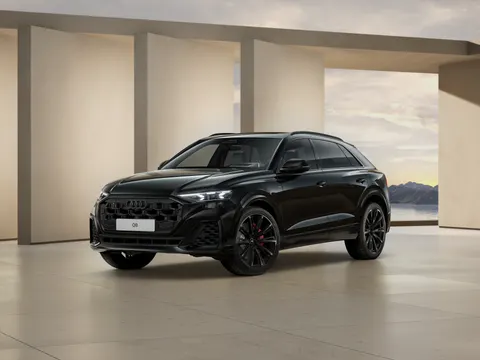
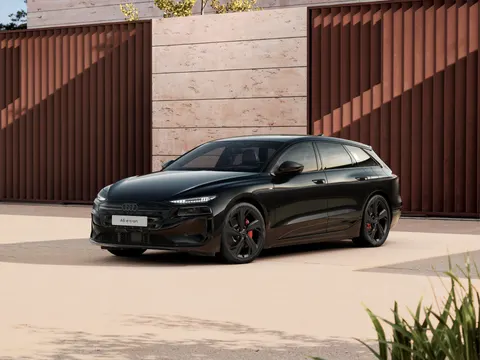
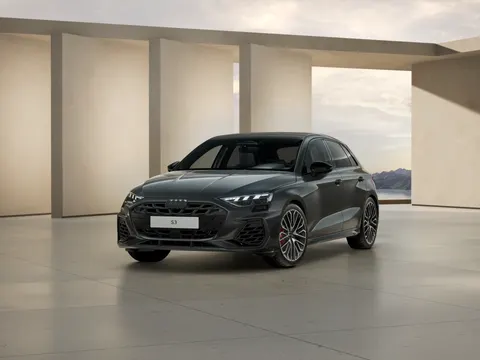
In a market where every cent per liter counts, choosing the right vehicle has never mattered more — whether that means a frugal diesel, a hybrid or a fully electric model. Readers looking for their next car can find sensational cars at sensational conditions at WorldTrader24, Europe's marketplace with over 70,000 vehicles.