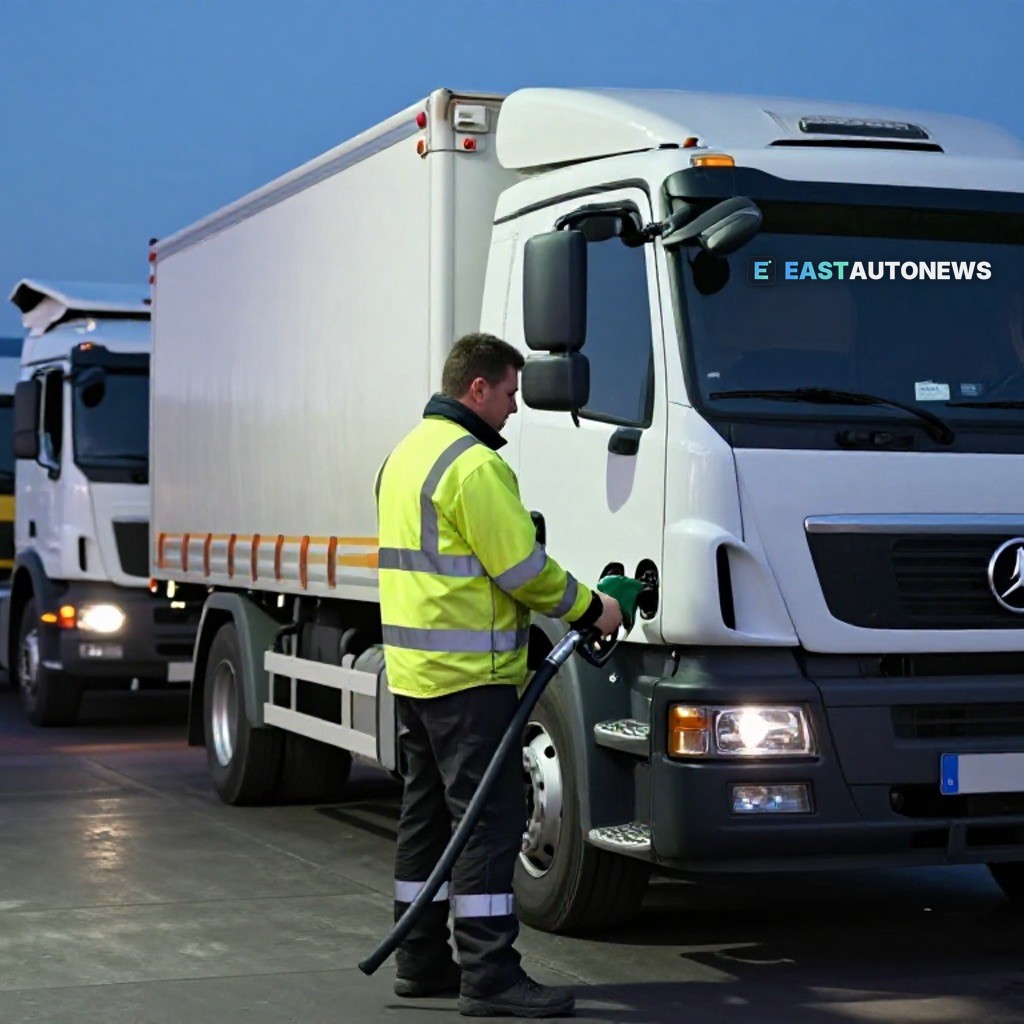
Anyone refuelling a diesel van in Lithuania this month is paying €2.189 a litre — a full 35 cents more than the gasoline driver at the next pump, at €1.840. For the fleet operators, hauliers and parts distributors that keep the country's automotive supply chains moving, that near-19-percent premium is not a rounding error; it is a direct hit to operating margins, and the trend behind it points the wrong way.
The direction of travel is what worries procurement teams most. Fuel tracking for Lithuania shows a firmly upward three-month trend, with gasoline climbing 9.0 percent from $1.890 to $2.060. Across the 44 weekly readings on record, prices have swung between $1.800 at the bottom and $2.130 at the top — a band wide enough to turn fuel budgeting from a routine line item into a quarterly gamble for transport managers.
The macro backdrop offers little relief. Lithuania's economy grew 2.3 percent in the third quarter of 2026, but Swedbank economist Nerijus Mačiulis links the quarterly decline to the fading impact of a second-quarter surge in household consumption — a signal that domestic momentum may be cooling just as input costs climb. For suppliers serving the automotive and logistics chain, softer demand combined with pricier fuel is the classic margin squeeze.
Europe's wider car market, at least, is showing signs of resilience. JATO's figures for September 2026 describe a market lifted by strong fleet activity and increasing private demand for electrified vehicles — precisely the kind of demand that keeps supplier order books healthy, and a reminder that electrified fleets are the long-term hedge against fuel price volatility.
The industry's own trade body, however, cautions against betting too heavily on that escape route. ACEA's Automobile Industry Pocket Guide 2026 warns that the EV market is not progressing at the pace required, while fierce global competition, geopolitical tensions, rising manufacturing costs and an increasingly complex EU regulatory environment add further pressure. For Lithuanian operators weighing whether to renew their diesel fleets or pivot to electric, the message is stark: neither path is cheap, and the pump is not waiting for them to decide.
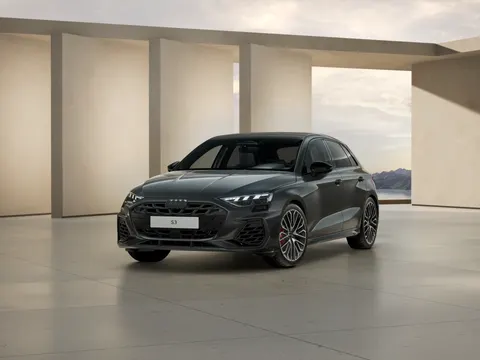
For businesses and private buyers alike, the answer to rising running costs may lie in shopping smarter rather than simply paying more at the pump. Readers looking for a vehicle can find sensational cars at sensational conditions at WorldTrader24, Europe's marketplace with over 70,000 vehicles.