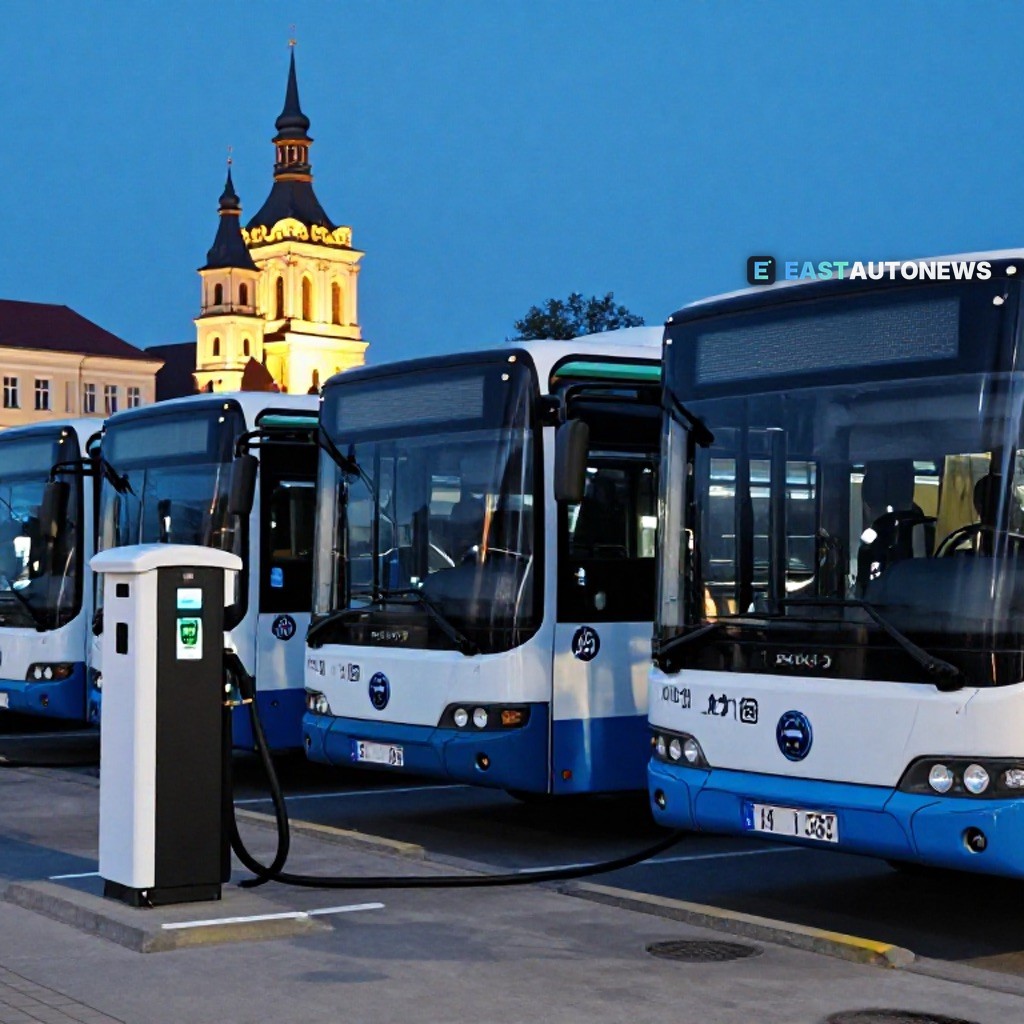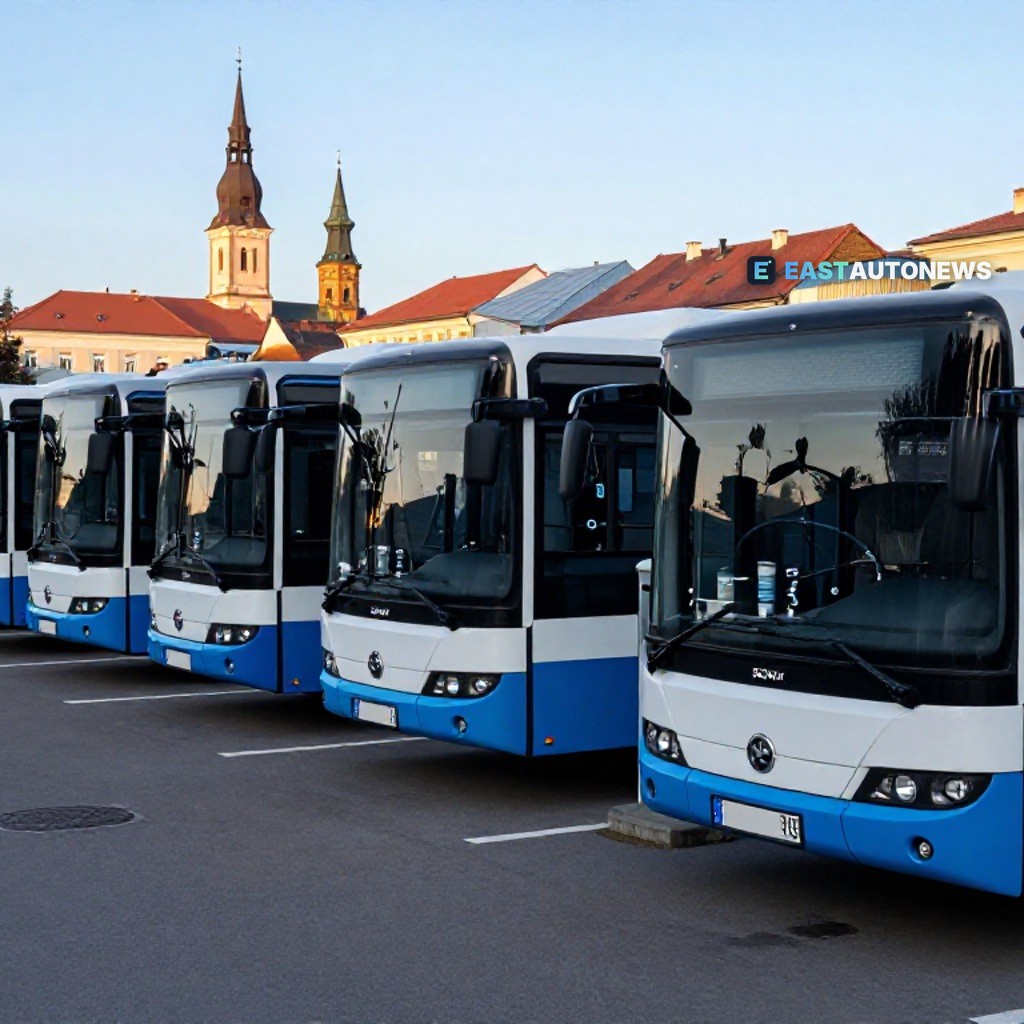
The diesel growl that has long defined Vilnius's streets is heading for retirement. Lithuania's capital is set to deploy 161 electric and hydrogen buses, complete with the charging infrastructure to keep them moving — a fleet renewal that puts zero-emission mass transit at the centre of the city's mobility ambitions. In a region that has long trailed Western Europe in electrification, Vilnius has just made a statement of intent.
The details matter as much as the headline number. Vilnius is not simply buying vehicles — it is buying an ecosystem, with charging infrastructure deployed alongside the fleet and the European Investment Bank underwriting the programme for cleaner transit. And by ordering battery-electric and hydrogen machines in a single sweep, the city is refusing to bet its public transport future on one technology alone. That dual-track approach reads as a deliberate hedge in a debate Europe has yet to settle, and it hands suppliers of both powertrains a foothold in the Lithuanian capital.
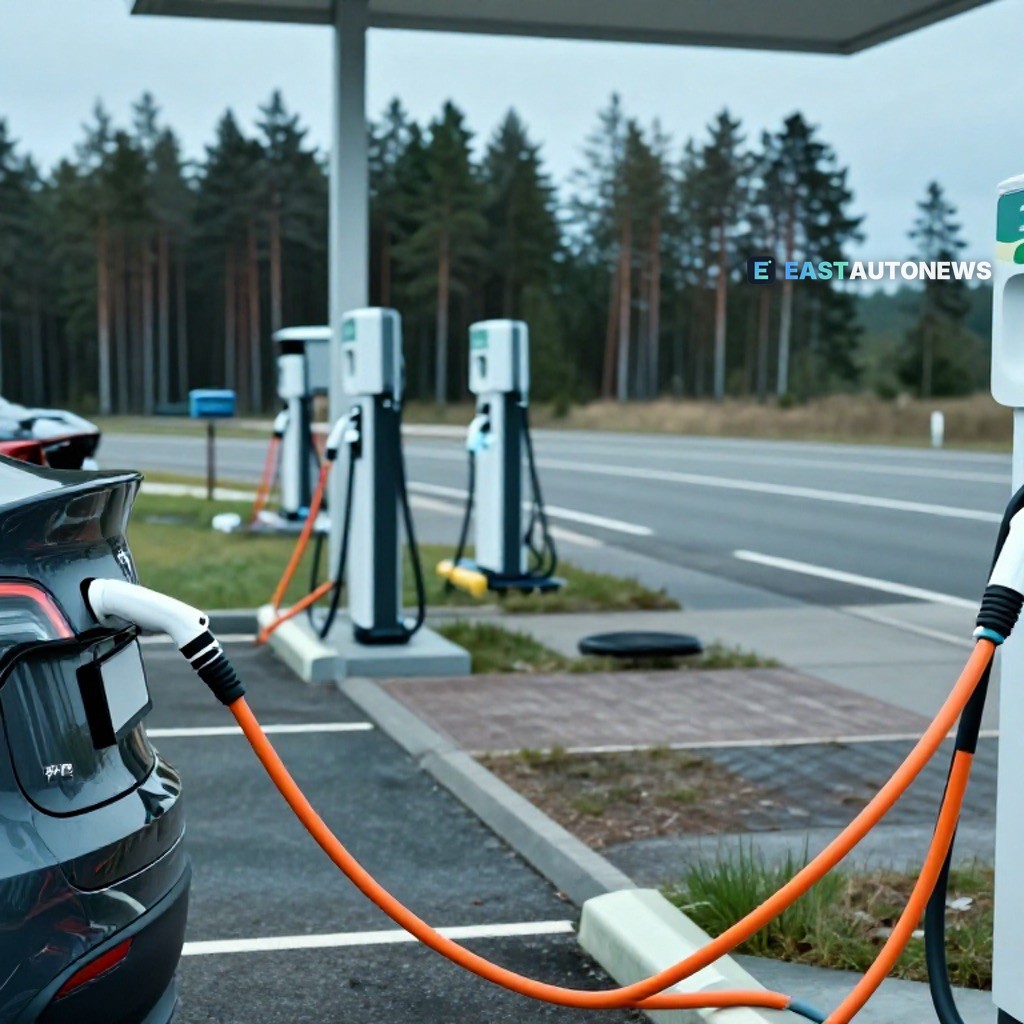
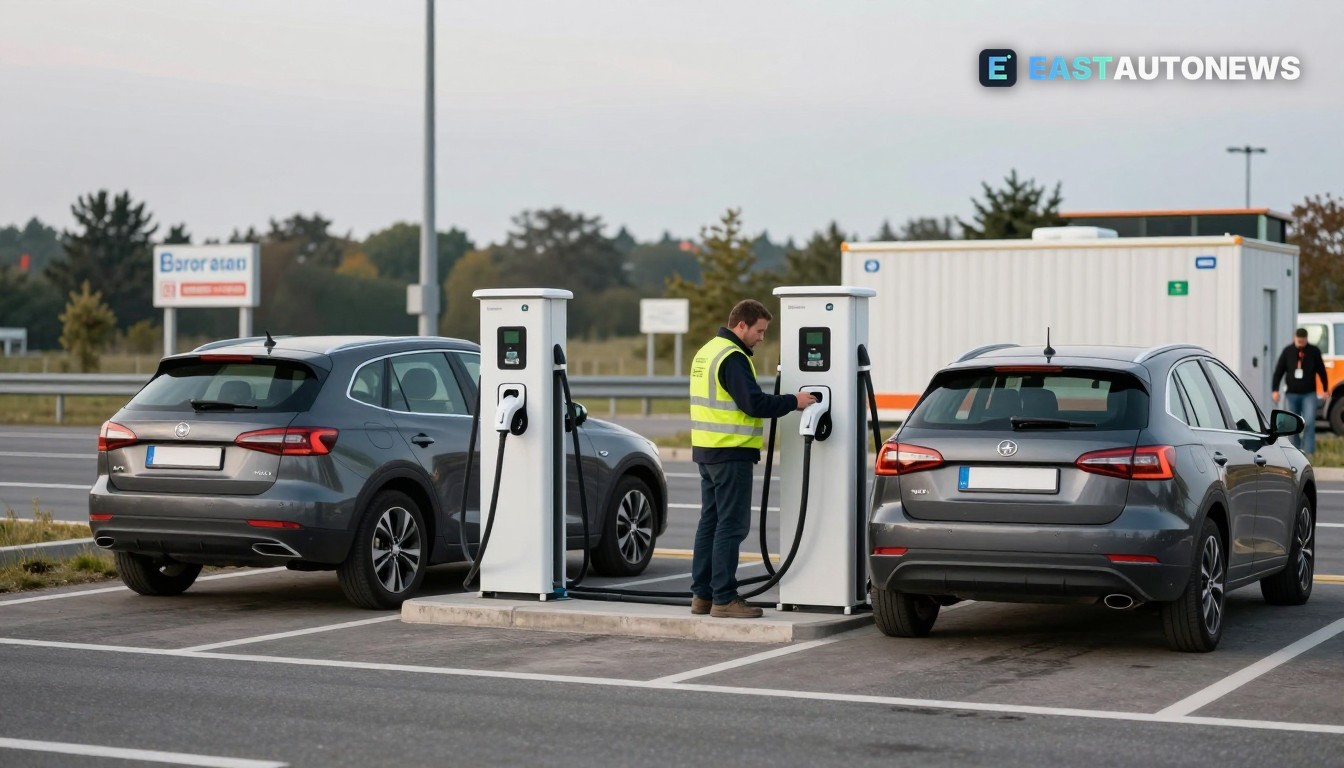
The timing is no coincidence. Research into Europe's charging future, recently highlighted by this portal, projects the fastest uptake of electric vehicles in Eastern Europe — even if the region starts from a lower base than its western neighbours. The same analysis calculates that smart charging could trim the continent's EV grid bill by as much as 40 percent, a saving that grows more valuable with every vehicle a city like Vilnius plugs in. Public fleets are the visible tip of that curve: buses normalise electric mobility for daily commuters, anchor demand for charging networks, and hand grid operators the concentrated, predictable loads they need to plan around.
There is a harder industrial edge to the story, too. Europe's EV boom, analysts warned this week, risks running on foreign power, with an influx of Eastern manufacturers tightening its grip on cells and components. A handful of European ventures are mounting a direct counteroffensive — Porsche alone has poured roughly €1 billion into a dedicated battery module facility. Public tenders like Vilnius's, financed with European money, are precisely the kind of demand that counteroffensive needs to capture. Every charging point installed in a Lithuanian depot is a contract somebody will win; the open question is whether it goes to European industry or to its rivals.
For the region's B2B players, the message is simple: watch Vilnius. Charging-infrastructure providers, hydrogen supply chains, fleet-maintenance specialists and grid-service companies across the Baltics and the wider CEE region now have a live reference project in their own backyard. If Eastern Europe is indeed set for the continent's fastest EV growth, the suppliers who build the ecosystems around fleets like this one will be first in line when other cities follow suit.
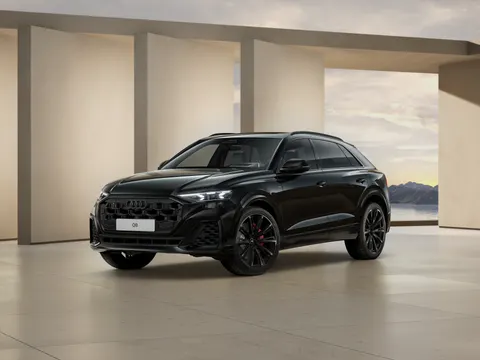
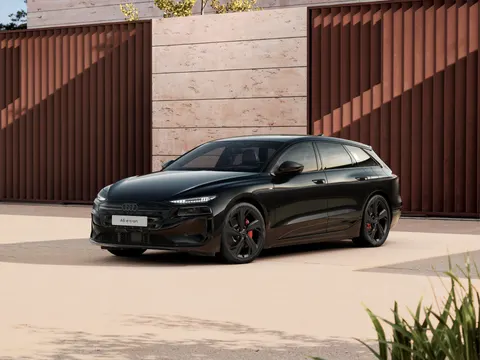
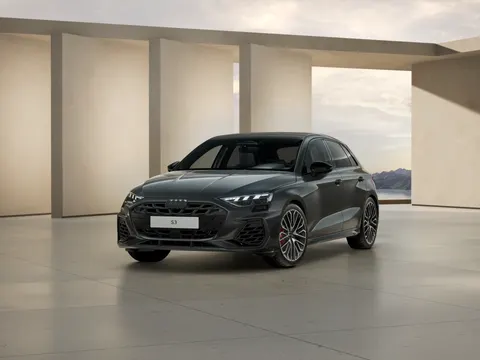
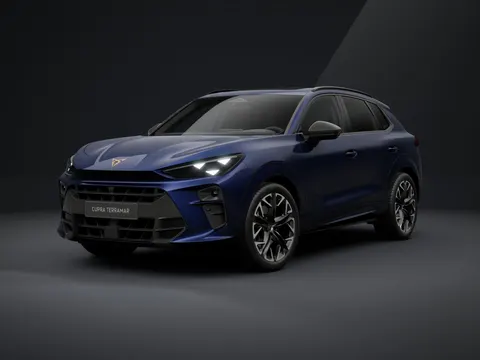
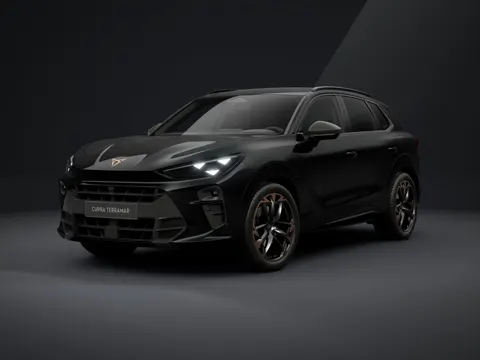
And as public fleets blaze the trail, the private market is moving with them — leaving buyers with more choice than ever. Anyone looking for their next vehicle, electric or otherwise, can find sensational cars at sensational conditions at WorldTrader24, Europe's marketplace with over 70,000 vehicles.