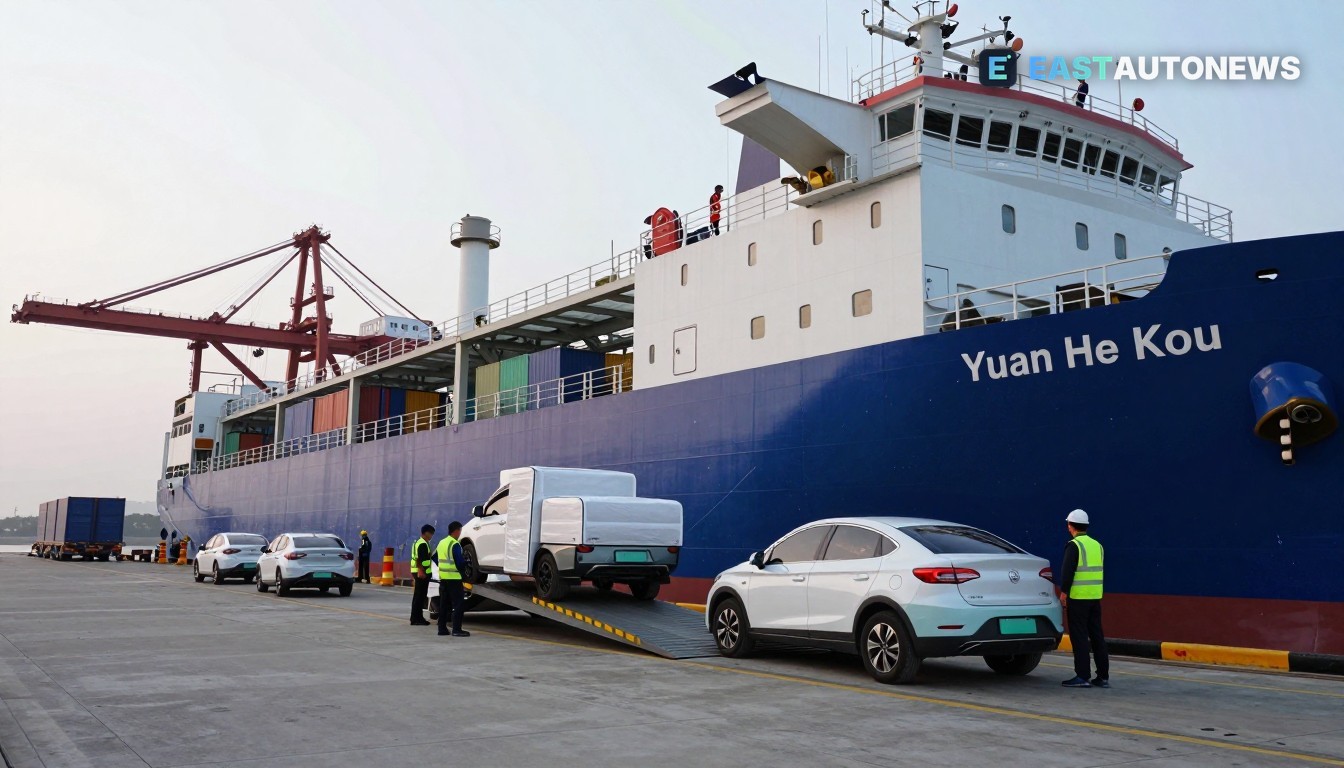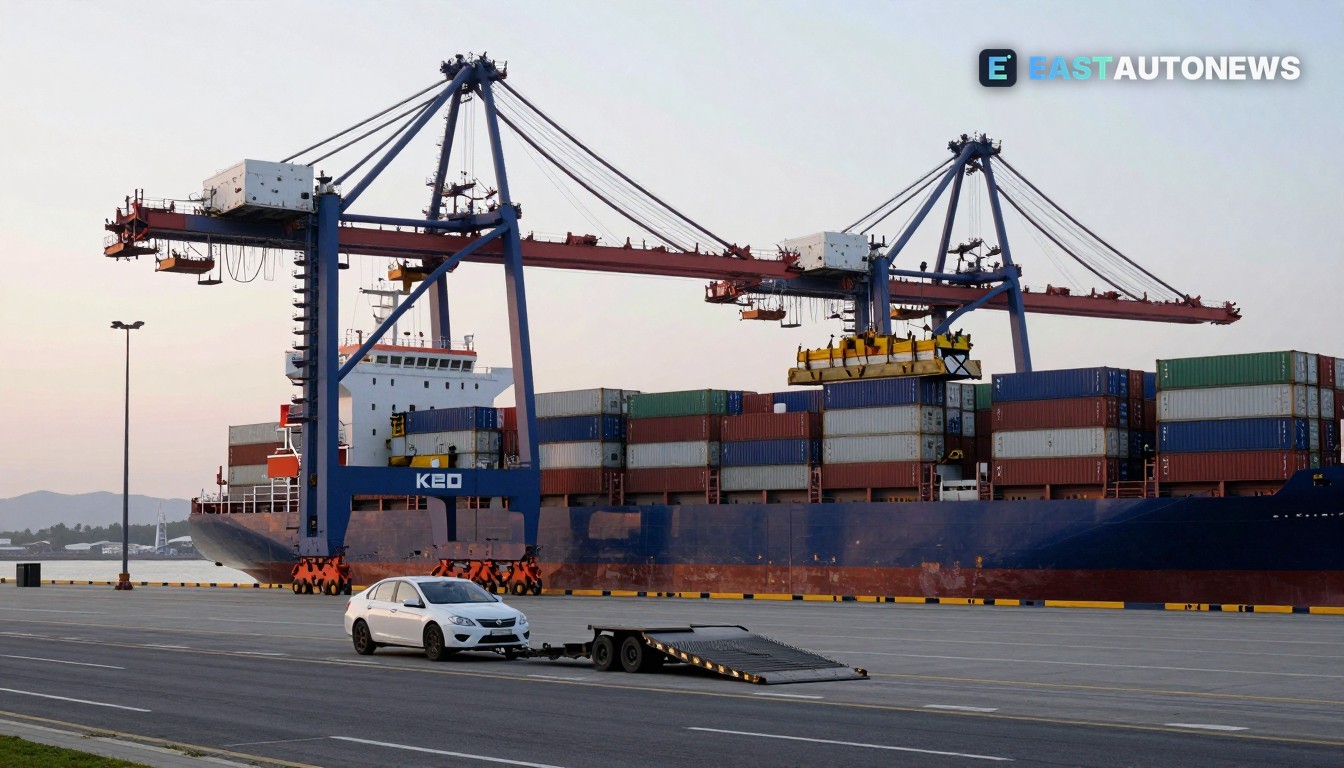
The Port of Koper closed October 2026 with 117,163 TEUs handled, a new monthly record that tops the previous high of 114,397 TEUs set in March. The result underlines the Slovenian gateway’s accelerating container role for Central and Eastern Europe even as the port flags capacity and rail‑connectivity constraints that matter to automotive logistics.
Why the jump matters
Port operator Luka Koper and regional trade observers say the October milestone confirms the port’s growing importance on Far‑East and Mediterranean strings: the port surpassed one million TEUs for the fifth straight year earlier in October and has added regular Far‑East container services that boost direct links to Asia. Nevenka Kržan, chair of Luka Koper’s board, said the results “further strengthen the port’s position among the region’s leaders” and stressed the need for continued infrastructure investment.
That container growth is occurring alongside significant investment: Luka Koper invested €91.6 million in the first half of 2026 and is progressing projects including Pier I extension and a multi‑storey car storage facility to expand capacity across containers, automobiles and general cargo. At the same time, vehicle throughput was down year‑on‑year earlier in 2026 — Luka Koper reported a 9% decline in cars handled in H1 — illustrating a shift in cargo mix and growing pressure on specialised automotive logistics.
What this means for the market
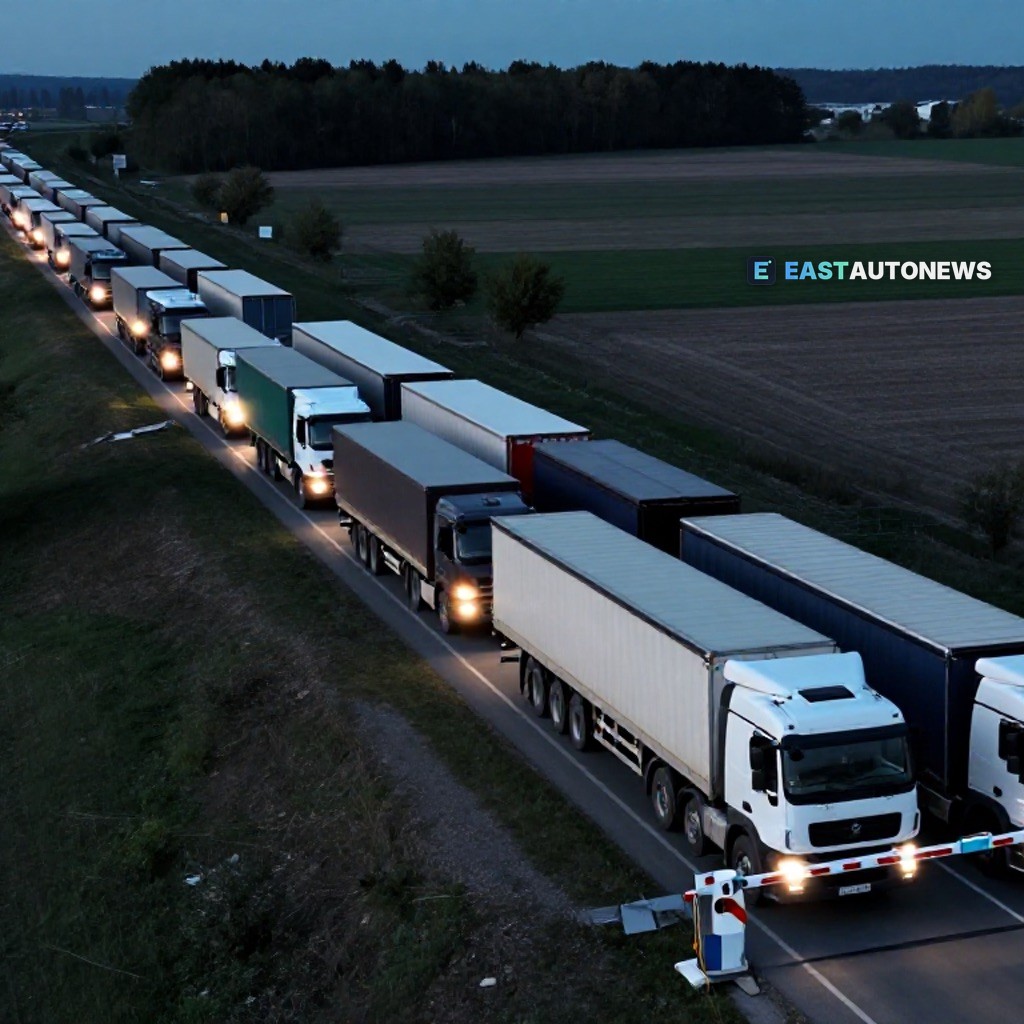
For carmakers, Tier‑1 suppliers and vehicle logistics providers that use Adriatic gateways, Koper’s container surge is a double‑edged signal. On one hand stronger container flows and new Far‑East services improve access to parts and finished goods from Asia and reduce reliance on northern routes exposed to geopolitical risk. On the other hand, rising TEU volumes coincide with constrained rail links and high warehouse occupancy at Koper — conditions that can bottleneck just‑in‑time inbound parts and outbound vehicle shipments unless hinterland capacity and intermodal services expand.
Automotive logistics players should expect continued pressure on car‑terminal slots and inland transport. Luka Koper’s investment programme explicitly targets car storage and new berthing capacity, signalling that port operators see vehicle flows as a strategic priority but that capacity adjustments will take time. For OEMs and logistics managers serving Central and Eastern Europe, that means planning earlier bookings for ro‑ro calls, diversifying exit points (Trieste, Ravenna, Valencia) and engaging with rail operators on slot guarantees.
Short‑term, the October record is positive for shippers seeking alternative routes from Asia into Europe, but medium‑term reliability will hinge on rail upgrades (Divača–Koper axis) and completion of the port’s expansion projects. Luka Koper’s figures and public comments make clear the port intends to grow with the demand, but automotive users should treat Koper’s success as a trigger to review terminal contracts and inland capacity, not as a guarantee of smoother flows.
B2B vehicle listings on WorldTrader24 →
Sources: AdriaPorts, Container News