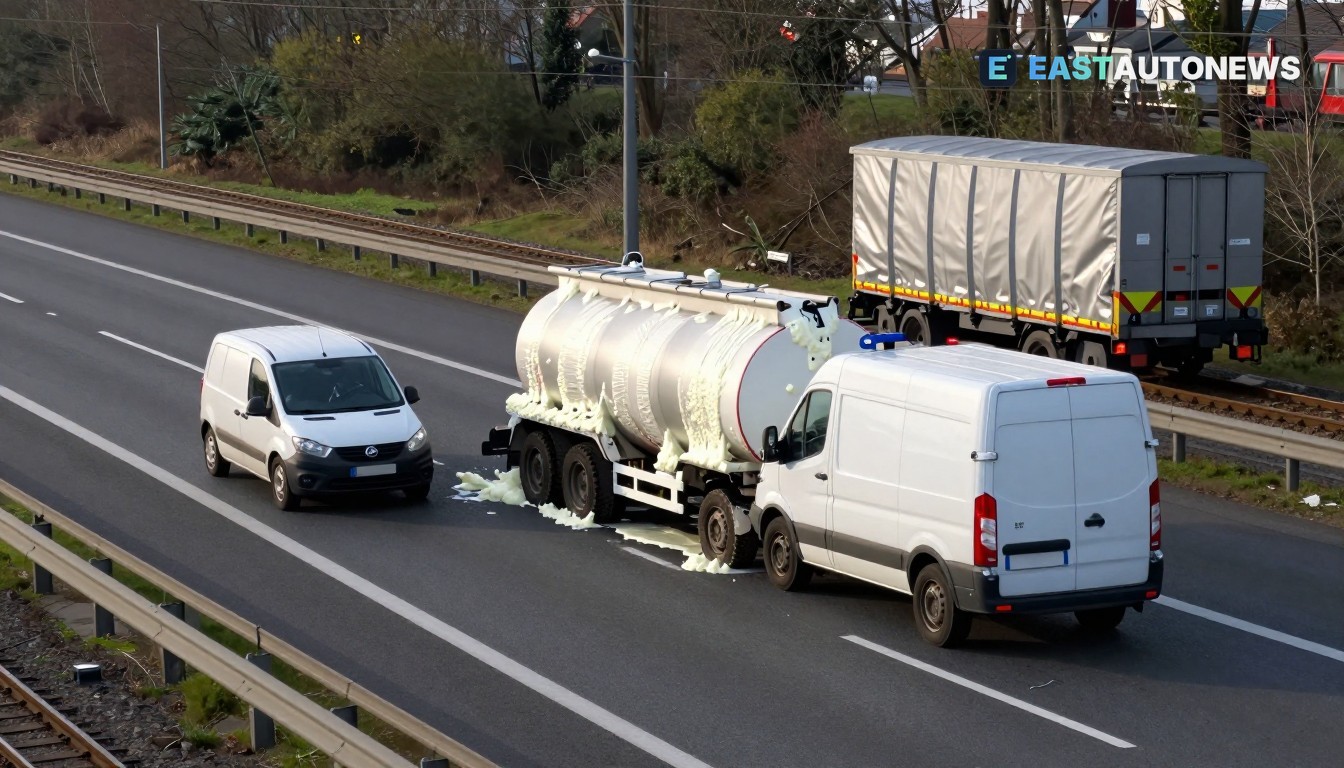
An overturned hazardous‑goods truck on the A57 near Krefeld on 6 November 2026 spilled an estimated 10 tonnes of nitric acid, triggering a major emergency response and the temporary closure of the motorway and adjacent railway lines. The incident led local authorities to issue high‑level public warnings and suspend traffic while cleanup and safety checks continued.
Rail corridors and trucking hit at once
Freight operators reported immediate knock‑on effects for continental freight corridors: several international rail services were held or rerouted and the Rotterdam–Emmerich–Basel–Italy corridor in particular saw suspensions and delays, according to logistics advisories issued in the days after the accident. Forwarders warned that the closures aggravated an already congested rail network and reduced intermodal capacity toward Italy and Central and Eastern Europe.
German media and logistics trade press described extensive emergency operations at the site and temporary suspension of both road and rail links while hazardous‑materials specialists contained the leak; local authorities used the Nina warning app to alert residents to the danger. Operators running time‑sensitive automotive shipments — components, subassemblies and finished vehicles — had to replan legs, delay departures or shift to longer road routes.
Immediate consequences for the car supply chain
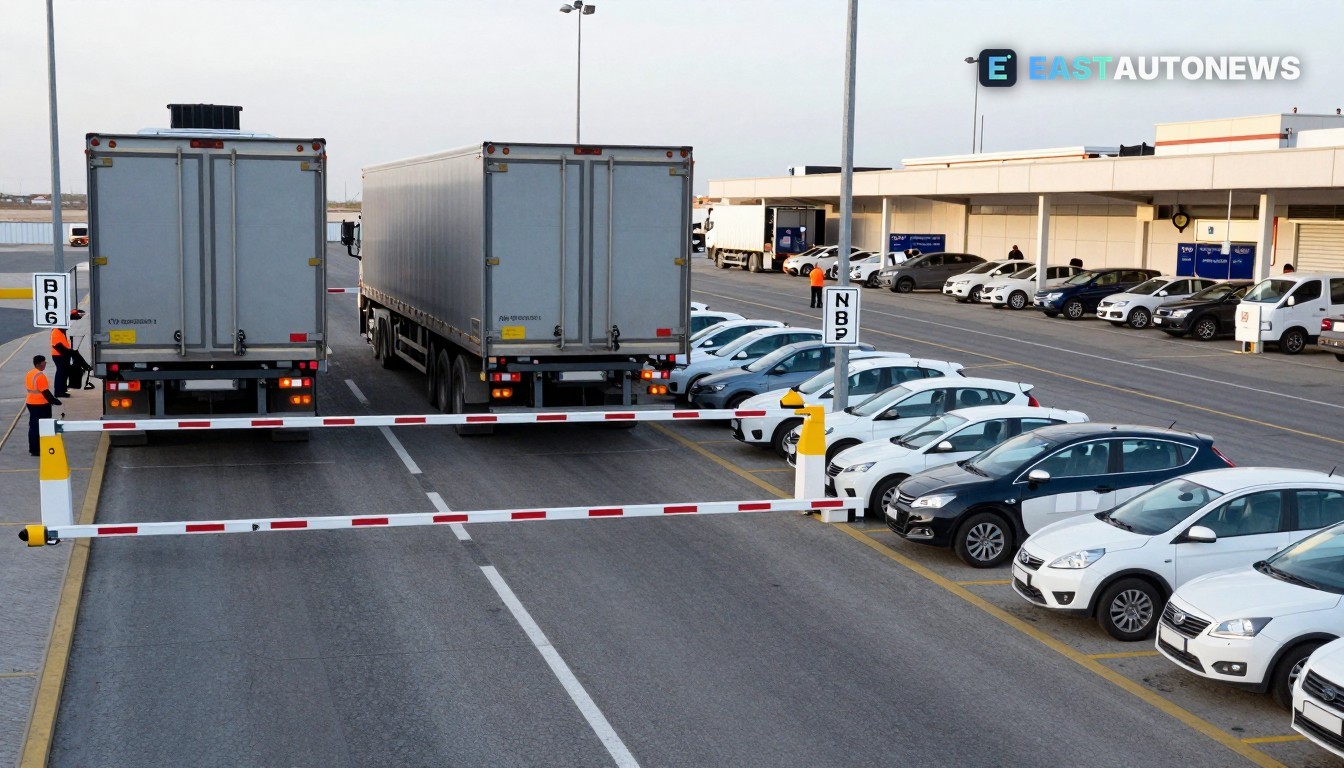
Logistics managers said the incident came at a busy moment for seasonal shipments and for factories that rely on tightly timed deliveries. With rail paths blocked and motorway diversions in place, carriers reported lengthened transit times and constrained yard access for receivers in the Ruhr and downstream hubs serving Central and Eastern Europe. The disruption risked delaying inbound parts flows to assembly plants and outbound finished vehicles bound for ports and inland distribution centres.
What this means for the market
For carmakers and suppliers that depend on the Rhine/Emmerich rail axis and A‑class motorways through North‑Rhine Westphalia, the accident is a reminder of fragility in pan‑European freight links. Short‑term effects are likely to be operational: re‑routing costs, demurrage for delayed loads and temporary capacity squeezes on alternative corridors. If closures persist or become frequent, manufacturers may accelerate contingency planning — stockpiling critical parts near assembly lines, diversifying rail/road routes, or shifting more flows to sea and inland waterways. In the immediate term (days to a few weeks), expect spot price rises for urgent truck lifts and slower gate‑turns at inland yards servicing Central and Eastern European plants.
The accident also underlines the importance of better risk mapping for hazardous‑goods lanes that intersect with high‑value automotive logistics corridors; companies with multi‑modal networks and bonded yard capacity will be best placed to absorb similar shocks.
B2B vehicle marketplace on WorldTrader24 →
Sources: Transport‑online, Logistik Heute, Kukla logistics update, Analytiqa, Süddeutsche Zeitung