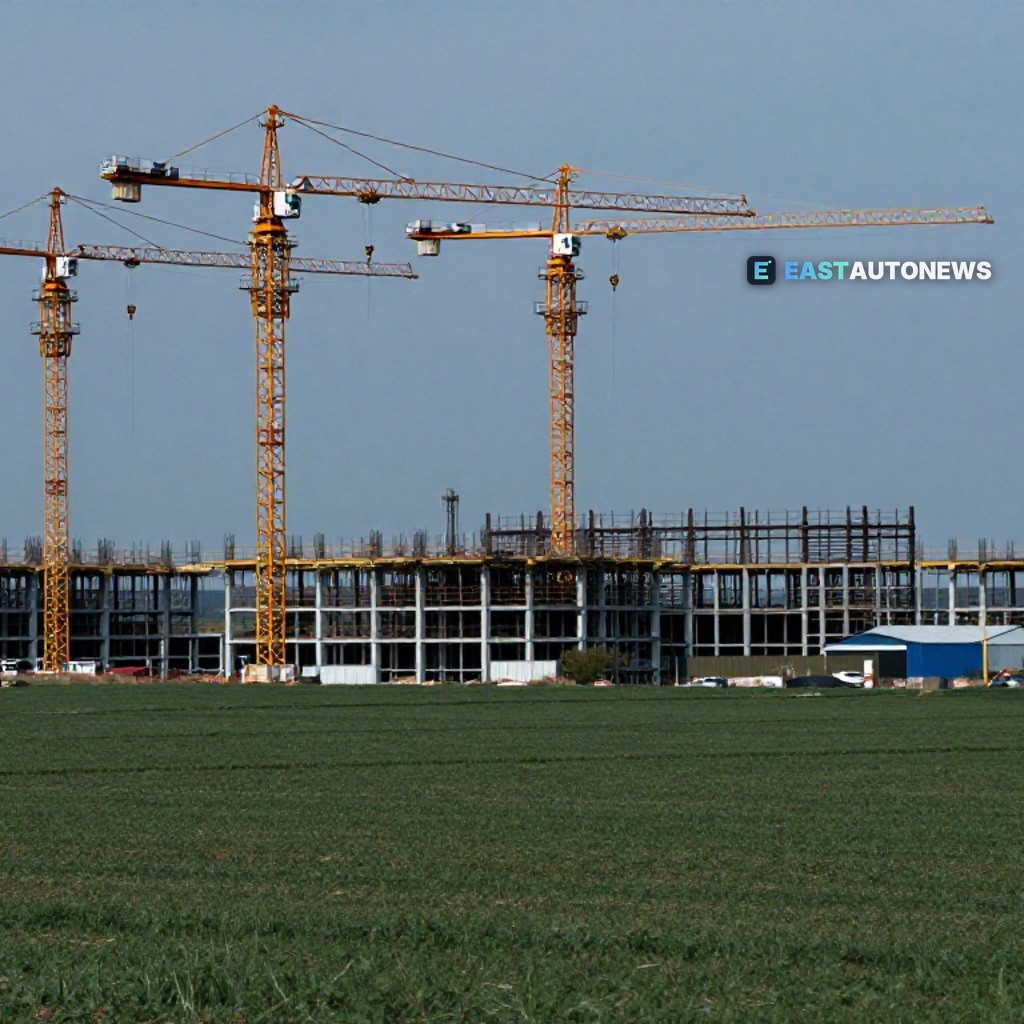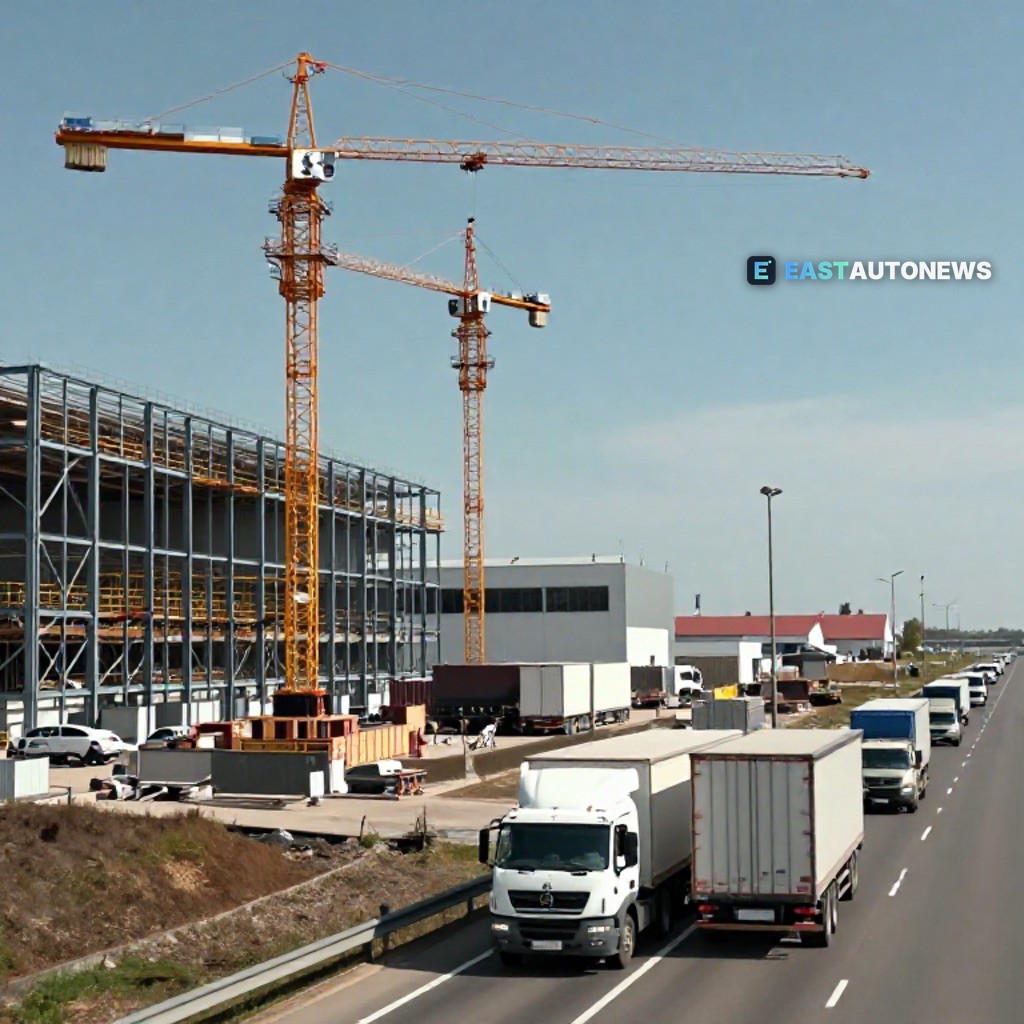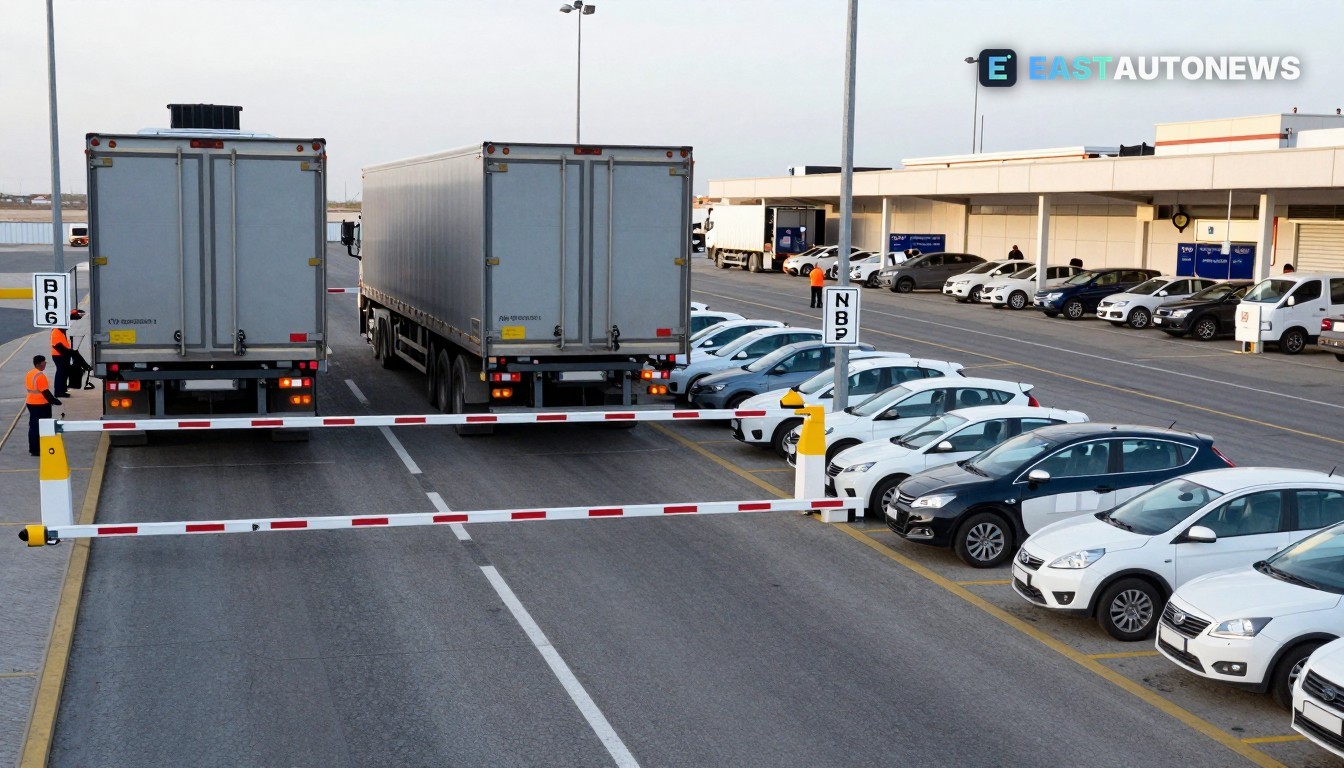
Spain’s 24‑hour general strike on 11 November 2026 disrupted operations at several of the country’s largest ports, halting container and stevedoring work and sharply reducing vehicle and truck movements — a headache for automotive supply chains that route parts and finished cars through Spanish terminals.
What happened at the ports
Union action organised by CCOO and UGT saw container terminals at Algeciras and Valencia suspend operations and stevedoring work in Barcelona stopped for 24 hours, with unions describing the walkout as "a success."
PortNews reported that APM Terminals Algeciras and Total Terminal International Algeciras suspended operations from 02:00 on 11 November, with UGT and CCOO estimating strike participation of about 90% in Algeciras and Valencia. In Barcelona, APM Terminals Barcelona and Hutchison Ports BEST announced 24‑hour suspensions of vessel and gate operations; minimum harbor services such as pilots and tugs were maintained. Francisco Aranda, president of Spanish logistics and transport employers' association UNO, said the wider disruption was "limited and concentrated mainly at container terminals in Valencia and Algeciras."
The stoppage also squeezed vehicle access: PortNews reported that, during the strike window, truck arrivals at Tarragona plunged 97.47% to just 40 between midnight and 2 p.m., departures fell 99.36% to nine from 1,417 a year earlier, and "overall vehicle movements declined 88.86%." Those on‑the‑ground constraints forced some automotive facilities to pause lines, EFE said.
Why CEE car industry should care
Spanish ports are major vehicle and Ro‑Ro hubs for Europe: Transporte XXI’s April 2026 port review shows Spain handled about 3.7 million vehicles in 2025, with the five leading vehicle ports accounting for roughly 2.78 million units (74% of the national total). Barcelona alone handled about 717,000 units in 2025 and is a key vehicle terminal. Most Spanish vehicle exports (92.6% in 2025) go to European destinations — meaning congestion in Spain can ripple into intra‑European flows, including routes serving Central and Eastern Europe.
EFE also noted that "some automobile factories suspended production" during the national stoppage, underlining the direct link between port access, parts deliveries and factory uptime. For supply chains already operating with lean inventories and finite Ro‑Ro capacity, even short interruptions raise risk of delayed shipments and line‑side shortages.
What this means for the market
Operators and fleet managers working with Spanish seaports should expect short‑term delays to gate appointments and possible knock‑on effects on scheduled Ro‑Ro sailings and parts deliveries into Central and Eastern Europe. Transport managers will likely prioritise urgent shipments and reroute non‑time‑critical freight, while vehicle terminals may face short‑term storage pressure. The longer‑term market impact depends on whether strikes become recurrent: Spain’s vehicle terminals already operate with high occupancy on many Mediterranean Ro‑Ro services, so repeated stoppages would amplify rerouting costs and scheduling friction.
Logistics teams serving CEE plants and dealerships should confirm inbound windows with shipping lines and terminal operators, and where possible build contingency for parts in transit that rely on Spanish ports. For now, the strike’s immediate effects are acute and concentrated, but the episode is a timely reminder of how labour action in third‑party ports can quickly disrupt pan‑European auto logistics.
B2B vehicle listings on WorldTrader24 →
Sources: Agencia EFE, PortNews, Transporte XXI