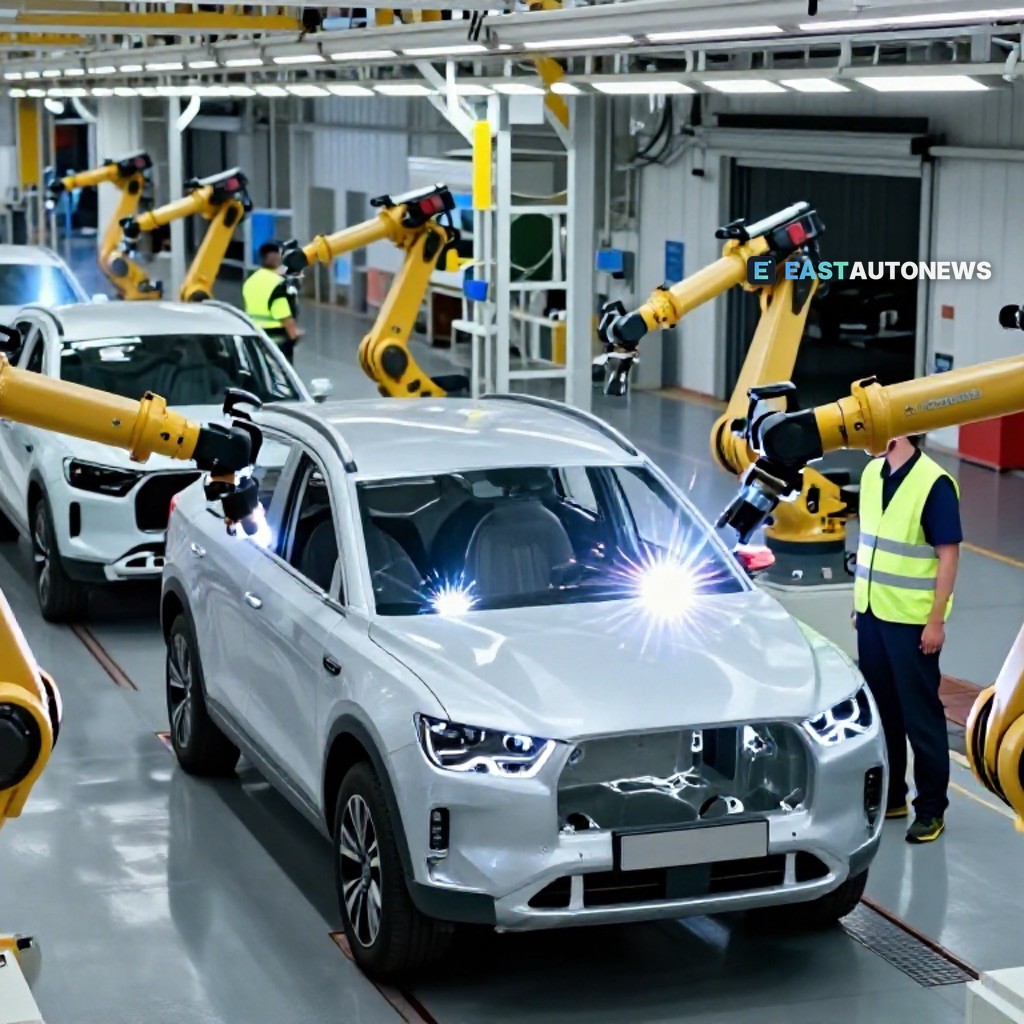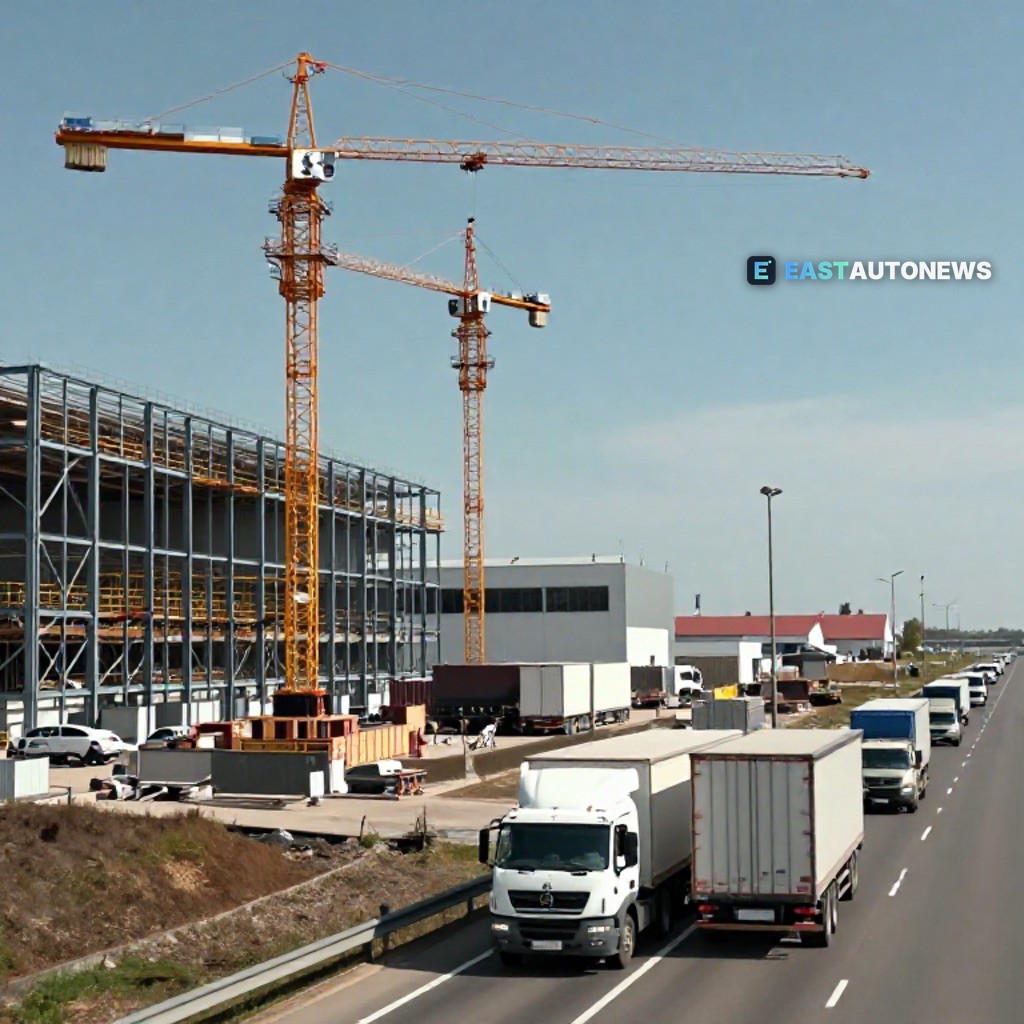
Chinese carmakers are preparing for a world in which fewer of their vehicles cross the ocean. To reduce risks, the country's automakers have been expanding production overseas to replace some direct exports — including by setting up plants in Brazil and Hungary, The Independent reports. For Central and Eastern Europe, the Hungarian foothold is the pivotal detail: part of the region's growing supply of Chinese-brand cars could in future be assembled inside the EU rather than shipped in from Chinese ports.
The strategy marks a turning point after an extraordinary export run. As EastAutoNews has reported, China's passenger car exports jumped 62% in October, and according to Cui and other auto analysts, full-year car exports could exceed 10 million, with Europe, Latin America, the Middle East and Southeast Asia among the main destination markets. Weak domestic demand keeps pushing manufacturers to chase sales abroad — and that very success is now reshaping how and where those vehicles are built.
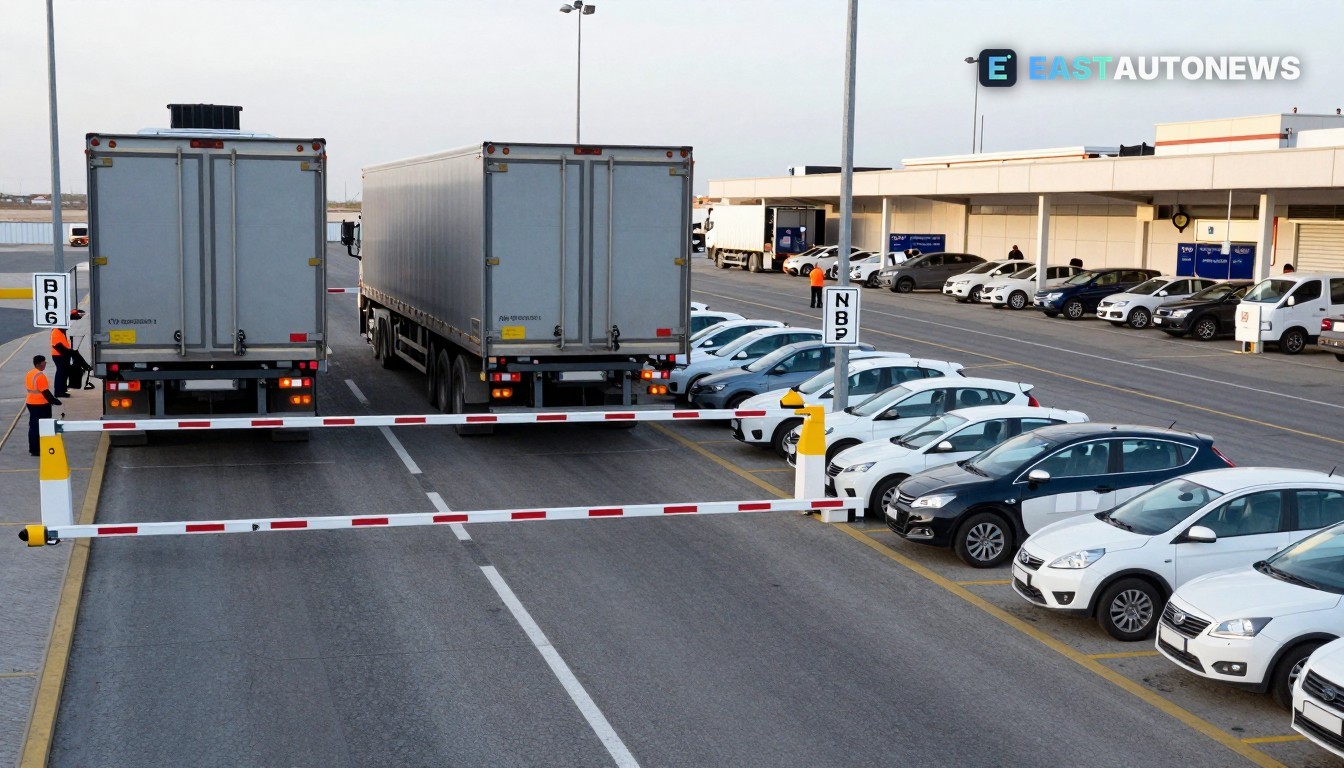
S&P analysts caution that the localisation drive could also weigh on China's export performance. As Chinese brands build where they sell, the finished-vehicle shipments that have flooded European ports could gradually give way to component flows and overseas assembly. For the trade and logistics chains serving CEE, that is a structural change: fewer deep-sea arrivals of Chinese-built cars, more intra-European distribution from production sites on European soil, including Hungary.
For the region's dealers, fleet operators and logistics providers, the implications reach beyond trade statistics. Hungarian-built Chinese models could reach CEE markets through shorter, simpler routes than vehicles shipped from Asia, with the potential to reshape availability, delivery times and pricing across the region. The open question is how quickly overseas output can scale — and how much of China's record export volume it ultimately displaces.
While those supply routes are being redrawn, buyers can already find sensational cars at sensational conditions on WorldTrader24, Europe's marketplace with over 70,000 vehicles. For businesses watching the freight side, the platform's commercial vehicle listings round out the picture — and comparing offers across borders remains the surest way to turn a shifting market into a smart purchase.