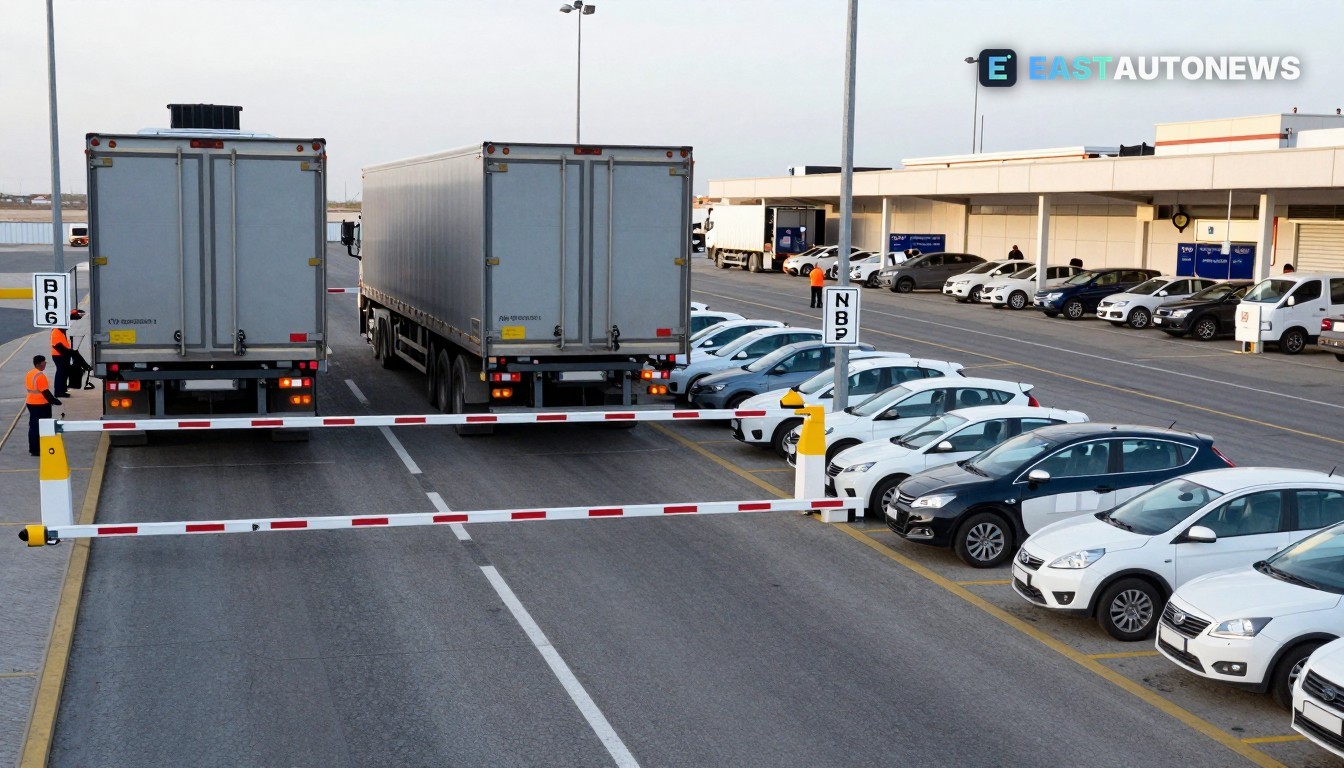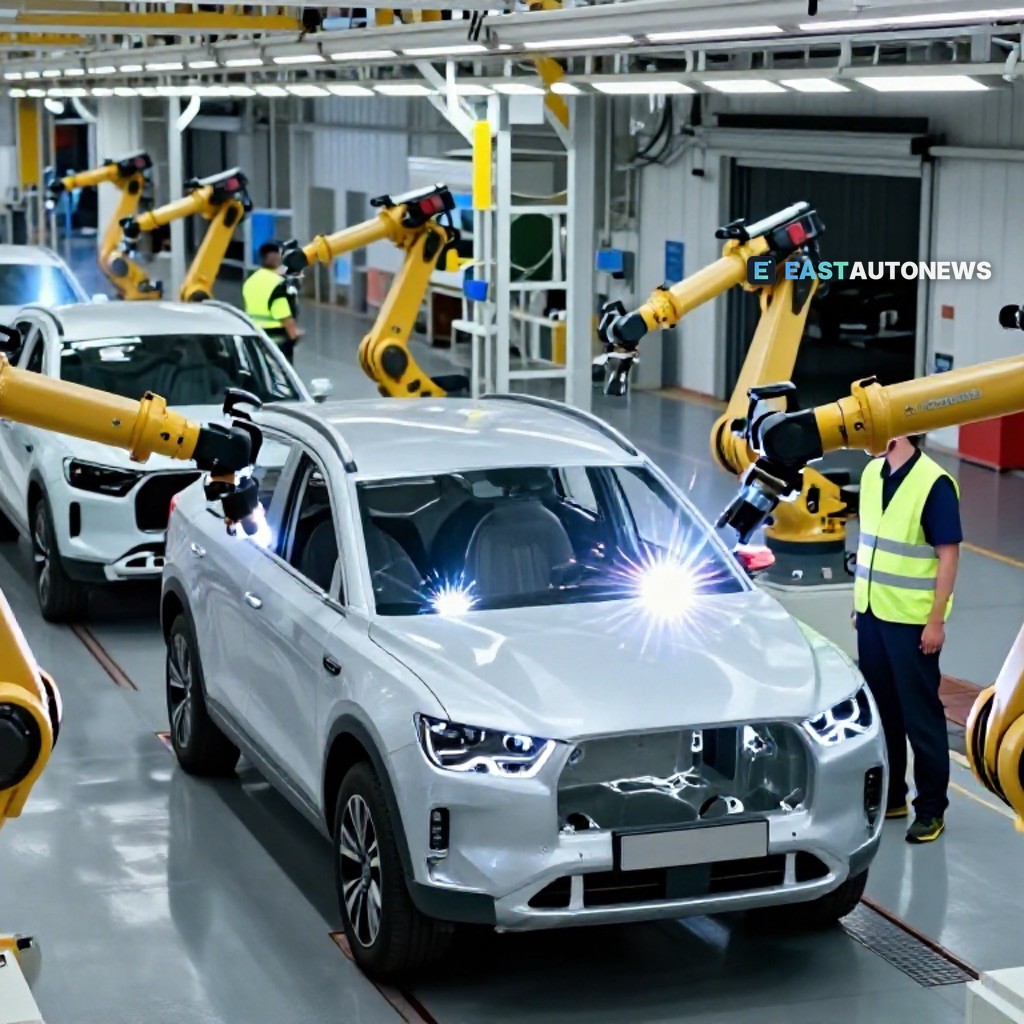
Europe's EV market is putting China's carmakers to a new test: producing where they sell. XPeng's G9L completed its first production trial at Magna's Austrian plant on October 7, while Leapmotor and its partner Stellantis began building the B10 at Stellantis' Spanish plant in October, TechNode reports. For brands that reached European buyers largely through exports, in-market assembly marks a strategic pivot with direct consequences for the ports, warehouses and truck corridors of Central and Eastern Europe.
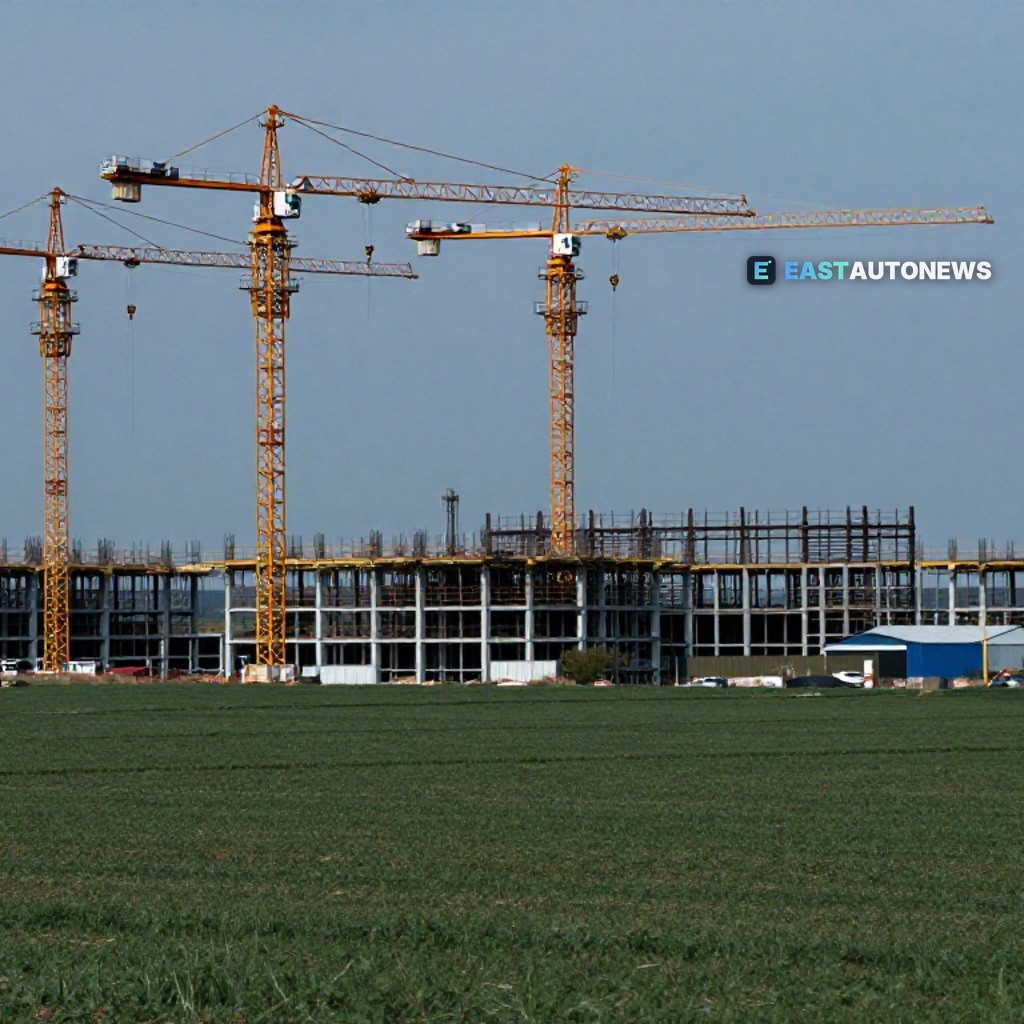
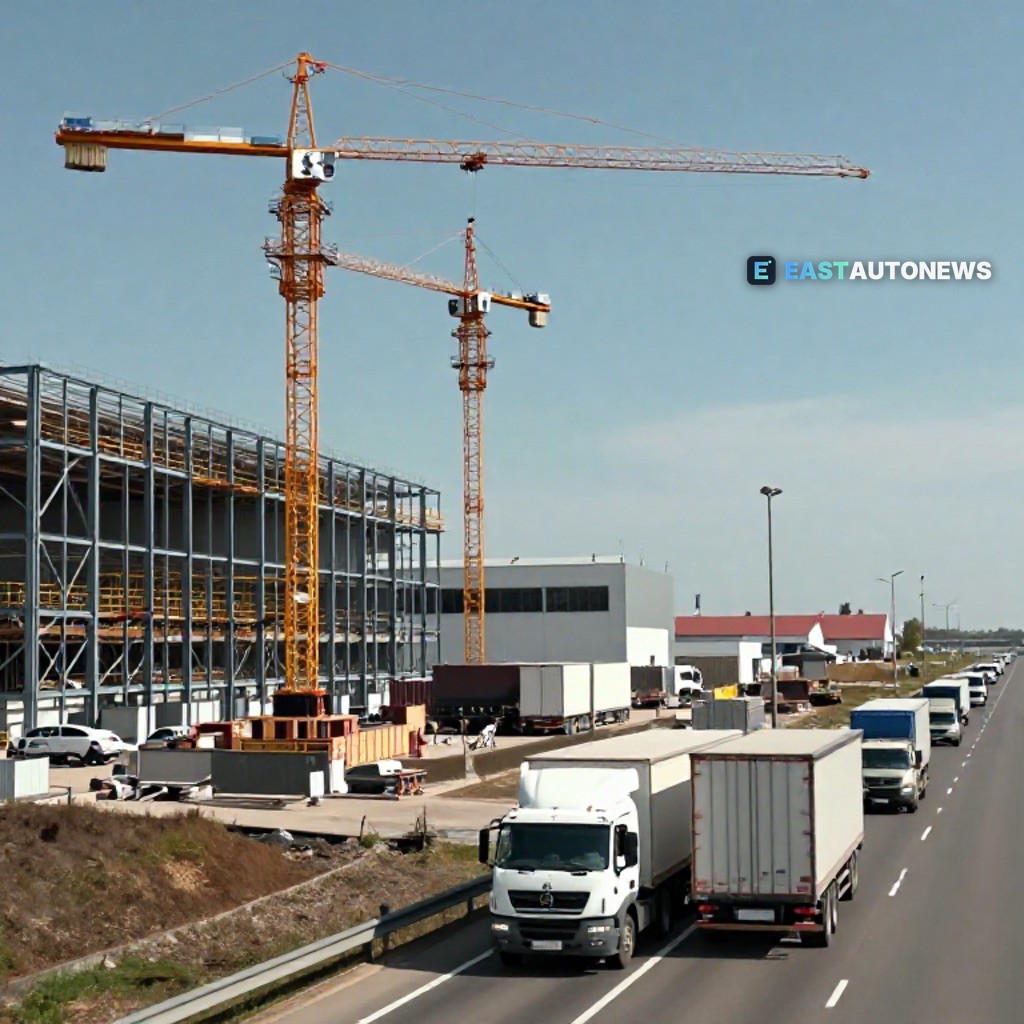
The logistics map is already shifting. In Hungary, developers are building warehouses near car plants and motorway corridors rather than around Budapest, and figures from the Hungarian Central Statistical Office show industry setting the pace of the country's foreign trade. If Chinese-backed assembly keeps spreading across European plants, demand for distribution space looks set to follow the factories rather than cluster around the capital.
For Stellantis, hosting the Leapmotor B10 adds a volume line at a time when the group is fighting for efficiency. The automaker has reaffirmed its 2026 outlook after third-quarter revenue increased modestly, with cost cuts and production disruptions remaining central to its turnaround, according to Yahoo Finance. A busy Spanish plant fits squarely into that agenda.
The rebalancing extends beyond Europe's borders. In Canada, the federal Carney government was actively and intensively involved in the discussions that ended in an agreement to sell a Stellantis car assembly plant to Canadian armoured vehicle manufacturer Roshel, CTV News reports, citing sources. The disposal underlines how the group is trimming its global footprint even as it doubles down on European capacity alongside its Chinese partner.
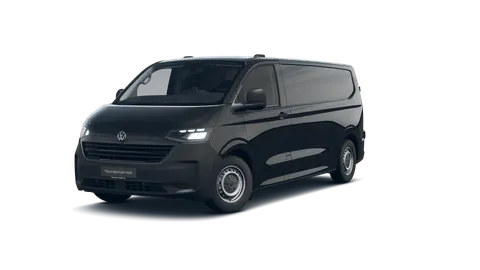
Investors, meanwhile, are being advised to separate the brands from the ecosystem. China's car industry is conquering the world even as it crumbles at home, FXStreet notes, and battery producers such as CATL deserve attention because their prospects are linked to the global expansion of electric mobility rather than the performance of any single vehicle brand. For dealers and fleet buyers in CEE, the practical effect is a wider, more locally sourced range of electrified and commercial vehicles — stock that can already be compared across Europe on WorldTrader24.de, the marketplace listing more than 70,000 vehicles.
As production and warehousing move closer to European customers, purchasing decisions increasingly reward buyers who compare offers across borders rather than within a single national market. Readers looking for a vehicle — from electrified passenger models to the vans and trucks that keep these new supply corridors moving — can find sensational cars at sensational conditions at WorldTrader24, Europe's marketplace with over 70,000 vehicles.