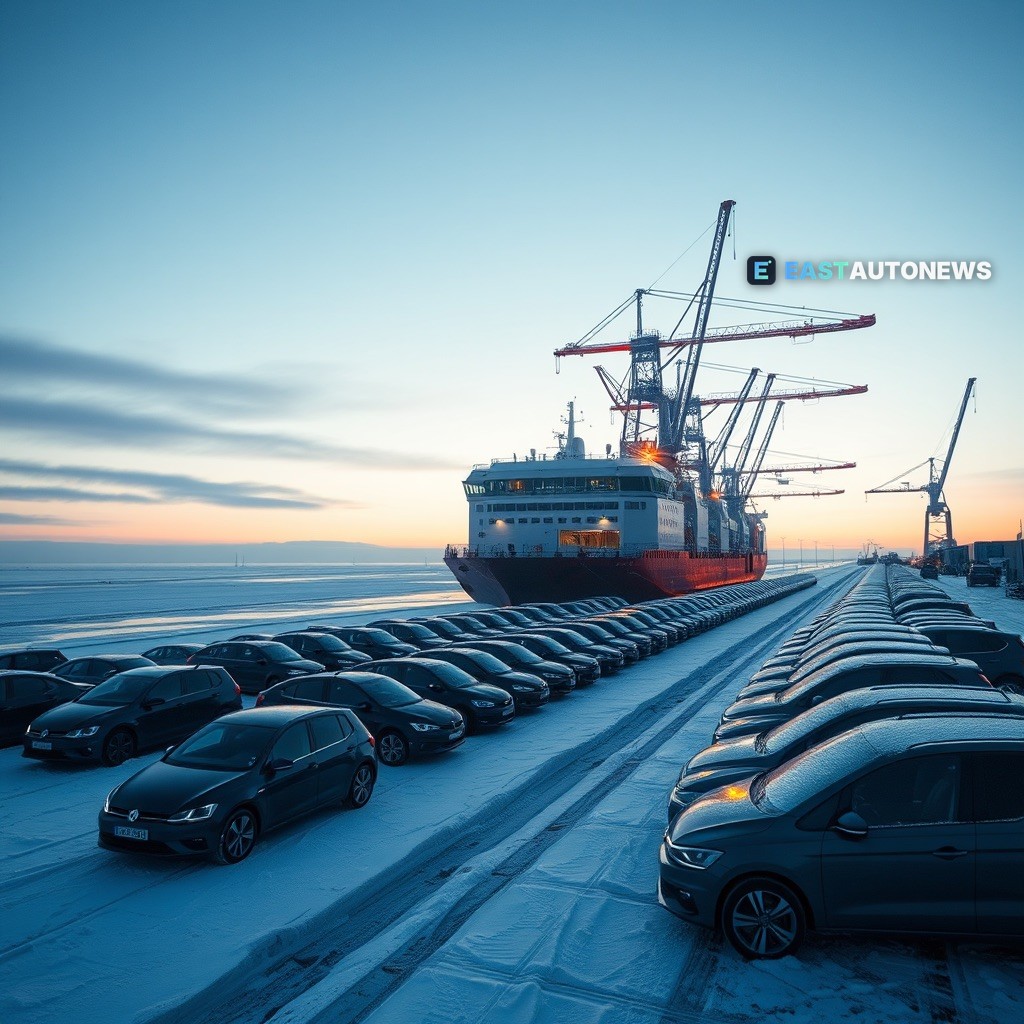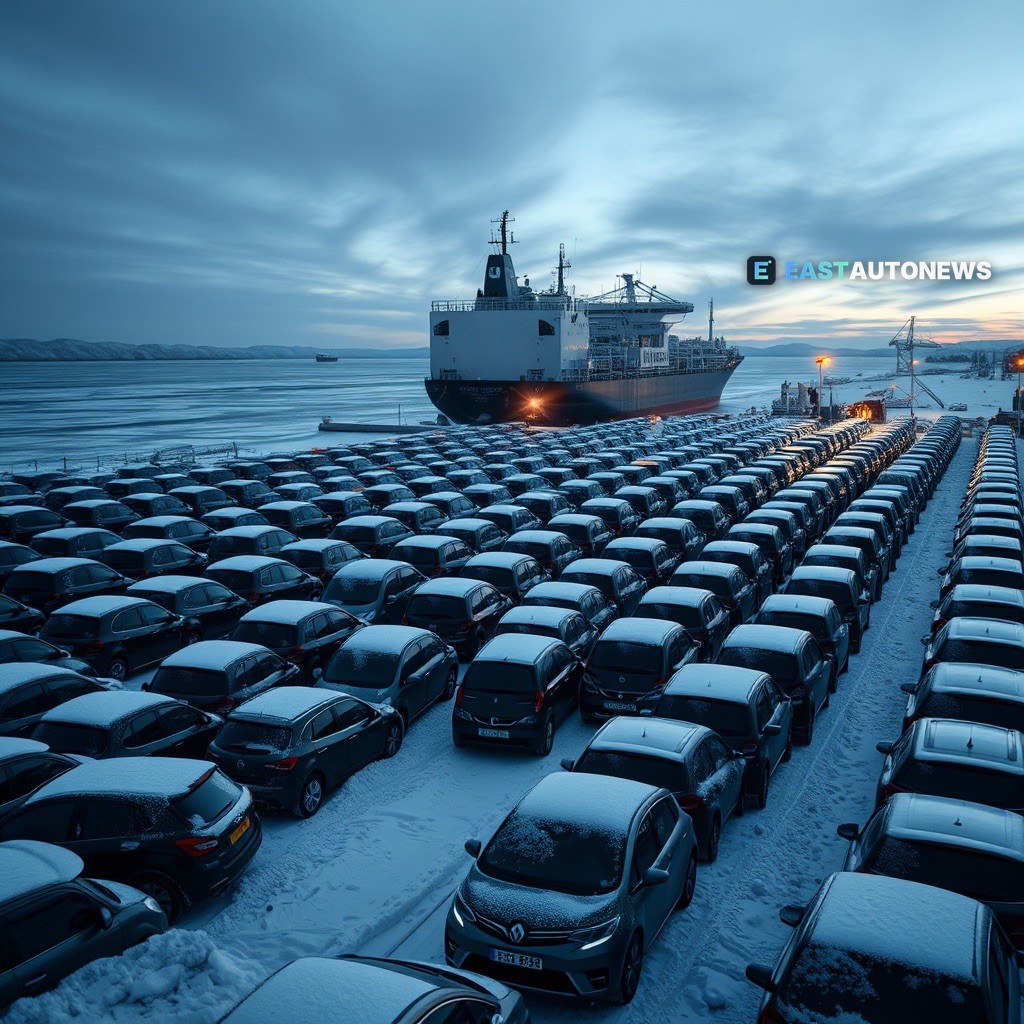
Estonia has never had the luxury of being peripheral. Wedged at the northeastern edge of the European Union, the country's strategic location between Europe and Russia has long made it a key hub for transit and logistics services — a business model written directly into the map. Now that model is being stress-tested by the biggest reshuffle in global car trade in a generation.
The fundamentals are solid. Estonia runs an advanced, developed economy and carries the full set of credentials: European Union member, eurozone member, OECD member. Its fortunes, however, lean heavily northward — developments in the Finnish and Swedish economies exert a strong pull on Tallinn, tying the Baltic gateway's logistics demand to the rhythms of Nordic industry.
Enter China. A sharp drop in new-car sales on the Chinese domestic market has sent negative ripples across the global industry — and pushed Chinese automakers to aggressively increase exports to other countries. Europe, one of the world's richest car markets, is an obvious prize, and every surge in inbound vehicle trade ultimately has to move through a port, a terminal, a corridor. Gateways like Estonia are watching closely.